How to Preserve Essential Service When Guest-Room and Public Lighting Lose Utility Power
Define the backup boundary through room lighting, locks, corridors, Wi-Fi, the front desk and nighttime noise.
Read TopicHotel Standby Power
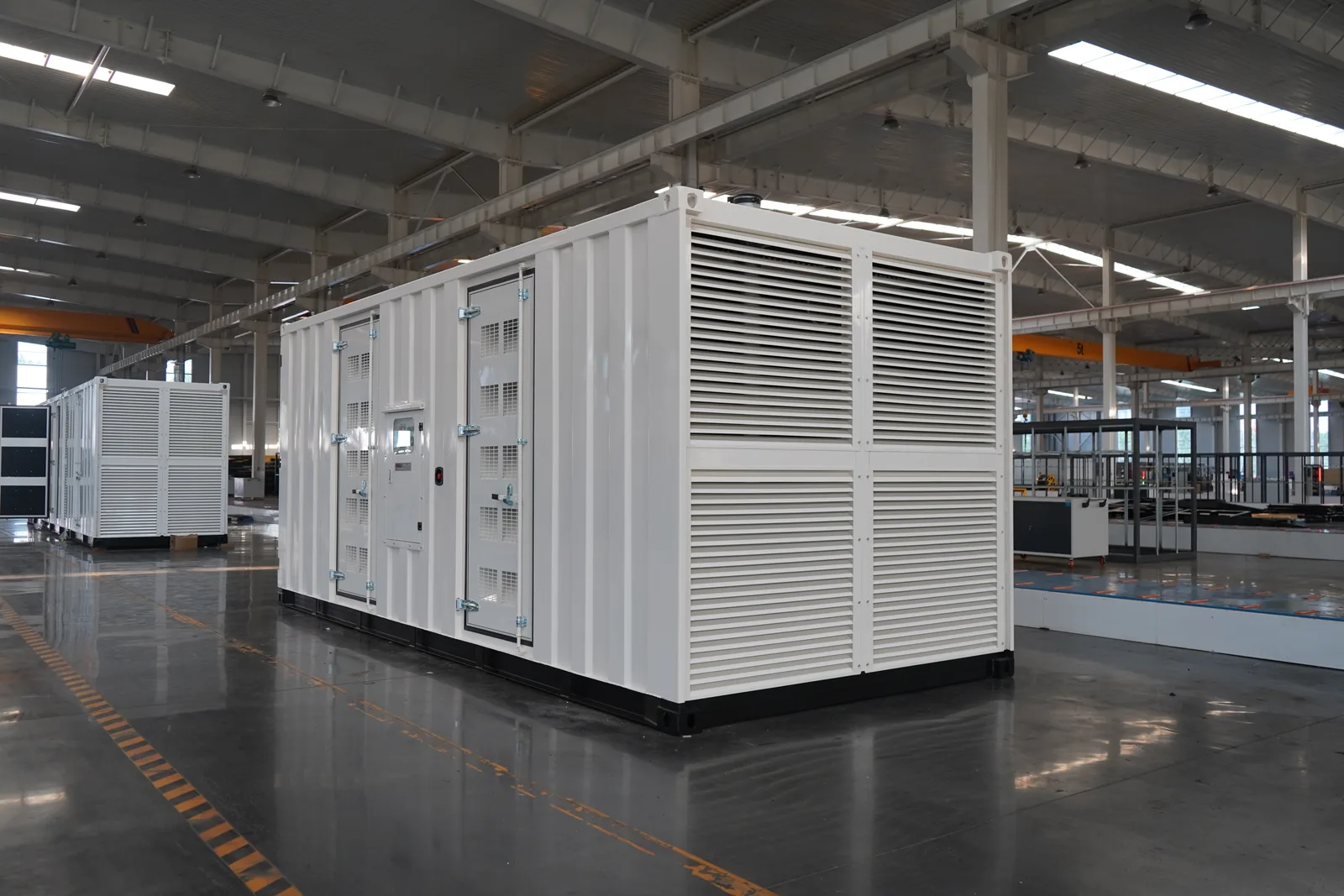
Hotel backup power must support guest rooms, elevators, kitchens, air conditioning, water systems, security and the front desk, with particular attention to quiet nighttime transfer, fuel runtime, noise control and service response.
Core Risk
A hotel outage immediately affects room lighting, door locks, front-desk systems, elevators, water supply, kitchens and security. The design must balance noise, exhaust, nighttime transfer, load priorities and fuel runtime so one outage does not turn into widespread complaints and refunds.
Outage Scenarios
Hotel Engineering Topics
Each topic connects site conditions, load priorities, configuration criteria, inspection and after-sales support so owners, engineering teams and operators can define low-noise operation, nighttime transfer, runtime and service response.
Define the backup boundary through room lighting, locks, corridors, Wi-Fi, the front desk and nighttime noise.
Read TopicReview elevator count, emergency operation, starting demand, underground parking and ATS transfer testing.
Read TopicReview cold rooms, kitchen exhaust, banquet halls, breakfast peaks, fuel-level alarms and runtime.
Read TopicEvaluate the lobby, priority guest floors, equipment-room cooling, tropical heat and acceptable load shedding.
Read TopicReview domestic-water pumps, hot water, drainage, fire pumps, starting demand and distribution zones.
Read TopicAssess continuity through the PMS, payments, locks, video surveillance, access control, low-voltage UPS and remote alarms.
Read TopicCritical-load priorities
Fire and security systems, emergency lighting, the front desk, access and locks, network core, evacuation elevators, critical pumps and essential room circuits.
Kitchens and cold rooms, critical food-service equipment, selected guest-room cooling, public lighting, hot water and parking systems.
Whole-building comfort cooling, decorative banquet lighting, noncritical outlets and selected back-of-house equipment, subject to capacity and runtime.
System Configuration Guidance
Prioritize the acoustic enclosure, generator location, exhaust, ventilation, service access and distance from guest rooms.
Define critical circuits, transfer time, manual bypass and test procedures to minimize guest awareness.
Zone guest rooms, the lobby, kitchens, telecom and safety systems to control capacity and fuel cost.
Confirm the day tank, fuel alarms, refueling path, operating hours and hotel restrictions.
Use remote inspection to monitor generator status, alarms, ATS condition, operating hours and maintenance reminders.
Define local inspection and after-sales support according to city, hotel category, site-access rules and spare-parts needs.
Inspection and After-Sales Service
Complete focused checks before peak season, holidays, conferences and the rainy season to reduce guest complaints and emergency repairs.
Related Configurations and Cases
The hotel page links guest experience to specific products and cases so owners, engineering and operations can define noise, runtime, ATS and inspection boundaries.
Confirm the low-noise generator and installation limits first, then add ATS, fuel runtime and remote monitoring to minimize guest awareness during nighttime outages.
Diesel Generator SetsSound-Attenuated Diesel Generator SetsATS Automatic Transfer SystemFuel Runtime and Refueling SystemGenerator Remote MonitoringRenovation and reopening cases show noise, fuel efficiency and exhaust limits; nighttime-outage cases show elevator, water, front-desk and essential room loads.
Hotel Renovation and Reopening Diesel Generator CaseHotel Nighttime Outage Backup-Power CaseHotel projects should define remote inspection, on-site checks, spare-parts kits, access rules and nighttime response in advance.
Generator Remote Monitoring and Smart InspectionInstallation, After-Sales and Maintenance SupportAsk an Engineer to Review Your Hotel ProjectCountry Engineering Paths
Guest services, cooling, water systems, local grid conditions, fuel autonomy and response coverage vary with location. Review the country-specific planning path for the property.
Share the country and city, application, required rating or critical loads, installation environment and current issue to receive professional recommendations on product selection, system scope and implementation conditions.