Factory Standby Power

After a Factory Outage, the Hardest Part Is Restoring Production Loads in the Right Order

Factory backup power must manage starting impact and recovery order across production lines, compressors, PLCs, cold storage, pumps and safety loads. The goal is to reduce downtime loss, prevent secondary failures and preserve a path for expansion.

Production-Line ContinuityStarting ImpactStaged LoadingParalleling and Expansion

Core Risk

Factory Backup Power Buys a Controlled Recovery Sequence

One outage can stop lines, scrap work in process, disrupt cold-storage temperature, trigger equipment alarms and delay delivery. Total power is not enough: identify protected loads, delayed loads and equipment requiring soft starters or variable-speed drives.
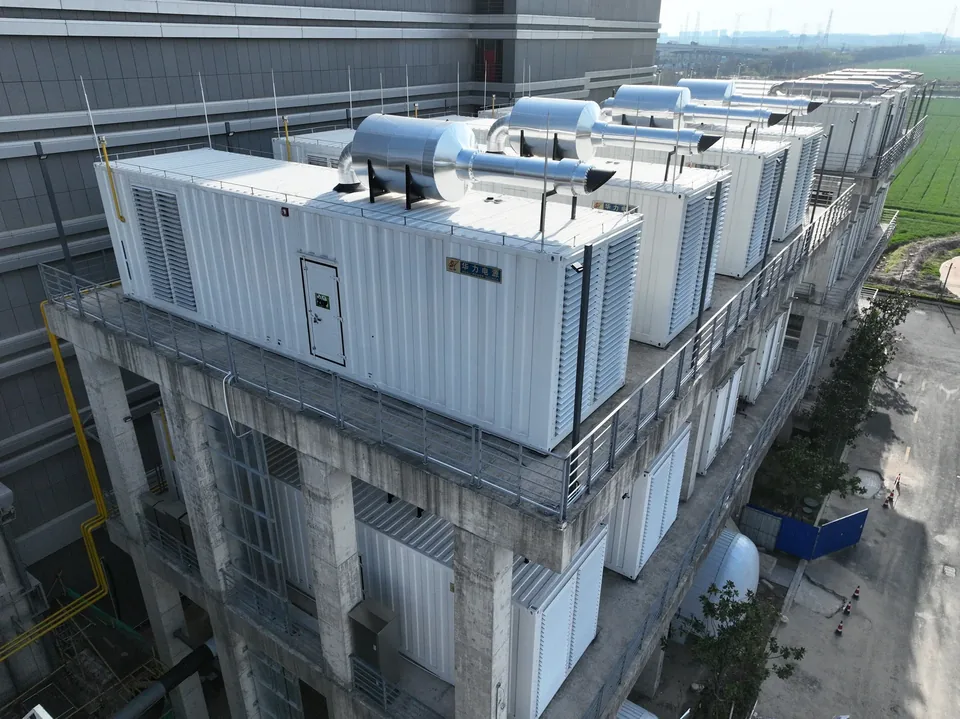
  • Define critical lines and safety loads from the process, shift pattern and cost of downtime.
  • Review starting methods and inrush for motors, compressors, pumps, refrigeration and PLC systems.
  • Reserve configuration capacity for future production expansion, paralleling redundancy, maintenance windows and local service.
Factory Backup-Power Paralleling and Synchronization System

Outage Scenarios

Break Down Factory Scenarios by Production Loss and Starting Characteristics

Production Lines and PLC Control

Site Scenario
Packaging, injection-molding, food-processing and assembly lines depend on PLCs, sensors and industrial networks.
Outage Consequence
Production interruption, equipment resets, scrapped work in process and recommissioning.
Configuration Priority
PLC and industrial-control UPS, critical-line priority, delayed loading and recovery procedure.
Information Required
Number of lines, control-panel power, PLC/UPS information and estimated downtime loss.
View Scenario Details

Compressed Air and Large Motors

Site Scenario
Compressors, fans, pumps and large motors may start together when power returns.
Outage Consequence
Excessive starting impact can overload the generator, depress frequency or trip breakers.
Configuration Priority
Soft starting or VFDs, sequenced starts, paralleling capacity, transient response and breaker selection.
Information Required
Motor ratings, starting methods, start sequence and maximum simultaneous load.
View Scenario Details

Cold Storage and Temperature-Controlled Processes

Site Scenario
Food, pharmaceutical, warehousing and process cold rooms must maintain temperature for extended periods.
Outage Consequence
Inventory loss, process deviation, quality problems and insurance-claim pressure.
Configuration Priority
Refrigeration starting impact, fuel runtime, temperature alarms, priority circuits and refueling plan.
Information Required
Cold-room capacity, refrigeration nameplates, target runtime and temperature-control requirements.
View Scenario Details

Pumps, Environmental Systems and Utilities

Site Scenario
Cooling water, fire pumps, wastewater treatment, boiler auxiliaries and process water support production.
Outage Consequence
Process interruption, environmental risk, reduced fire protection or protective equipment shutdown.
Configuration Priority
Pump starting, low-voltage distribution, grounding, operating hours and safety interlocks.
Information Required
Pump data, process description, distribution circuits and safety-interlock requirements.
View Scenario Details

Safety Loads and Emergency Systems

Site Scenario
Fire, security, lighting, exhaust ventilation, access control and hazardous-area alarms require continuous power.
Outage Consequence
Personnel-safety and compliance risk rise; hazards must be cleared before production restarts.
Configuration Priority
Independent safety-load zones, ATS testing, emergency lighting and inspection records.
Information Required
Fire and security list, hazardous-area description and photos of existing distribution.
View Scenario Details

Production Expansion and New Equipment

Site Scenario
After adding lines, warehouses or cold storage, existing generator capacity and distribution limits may no longer be clear.
Outage Consequence
Temporary wiring, insufficient capacity and repeated rework lengthen outage windows.
Configuration Priority
Paralleling expansion, N+1 redundancy, distribution reserve, load testing and maintenance windows.
Information Required
Existing generator data, new-load list, expansion schedule and budget target.
View Scenario Details

Factory Engineering Topics

Use Real Production Scenarios to Define Downtime Loss and Recovery Order

Each topic covers the site problem, load-recovery logic, configuration inputs and maintenance support so facilities, equipment, production and procurement teams can define critical loads clearly.

01 / Production-Line PLC

How the Control Chain Sets Recovery Order After Production-Line and PLC Power Loss

Use PLCs, industrial UPS, sensors, control panels and recovery procedures to determine whether critical lines can transfer safely.

Read Topic

02 / Large Motors

Why Compressor and Large-Motor Starting Cannot Be Assessed from Running Power Alone

Review starting method, inrush, staged connection, paralleling capacity and breaker selection.

Read Topic

03 / Temperature-Controlled Processes

For Cold Storage and Temperature-Controlled Processes, Calculate Temperature Risk and Runtime Together

Review refrigeration starting, temperature alarms, priority circuits, fuel runtime and refueling access.

Read Topic

04 / Utilities

Which Pump, Environmental and Utility Systems Cannot Wait After an Outage?

Review the safety boundary for cooling water, wastewater treatment, fire pumps, boiler auxiliaries and process water.

Read Topic

05 / Safety Loads

Safety Loads and Emergency Systems Must Make the Site Safe Before Production Restarts

Review independent zones for fire, security, emergency lighting, exhaust, access control and hazardous-area alarms.

Read Topic

06 / Paralleling Expansion

How to Keep the Existing System from Limiting New Lines During Paralleling Expansion

Plan the path from existing generators, expansion schedule, new loads, distribution reserve and maintenance windows.

Read Topic

Critical-load priorities

Set Factory Recovery Order by Process Continuity and Starting Impact

Immediate Protection

Safety and Control

Fire, security, emergency lighting, PLC and industrial networks, critical instrumentation, essential pumps and hazardous-process protection.

Sequenced Connection

Production-Critical Loads

Core lines, compressors, cold storage, process water and critical packaging or processing equipment connect in stages based on starting impact.

Delayed Recovery

Loads That Can Wait

Offices, noncritical lighting, selected comfort cooling, noncore lines and auxiliary systems that can wait.

System Configuration Guidance

Configure Factory Backup Around Starting Impact, Staged Loading and Expansion Capacity

Generator Set

Capacity Must Cover Transient Impact

Review motor starting multiples, refrigeration starting, compressor loading and acceptable voltage and frequency variation.

Paralleling and Expansion

Reserve Redundancy for Expansion and Maintenance

Multiple generators support load sharing, phased investment, maintenance windows and N+1 redundancy.

ATS / Controls

Recovery Order Must Be Executable

Configure automatic transfer, delayed loading, manual bypass and start sequence to prevent all loads from applying at once.

Low-Voltage Distribution

Separate Critical Lines from General Loads

Review breakers, cables, grounding, circuit labels and the single-line diagram to reduce temporary-wiring risk.

Fuel Autonomy

Plan by Shift Pattern and Outage Risk

Confirm target operating hours, refueling access, level alarms and safe-storage requirements.

Inspection and Service

Plan Maintenance Windows Up Front

Review alarms and operating hours remotely; inspect batteries, fuel, cooling, distribution and spares on site.

Related Configurations and Cases

Connect Production Loads, Expansion Capacity and Maintenance Windows

Connect starting impact and recovery order with specific product modules so procurement and production teams can define capacity, paralleling, distribution and service scope.

Country Engineering Paths

Compare Manufacturing Power Conditions by Country

Motor starting, process continuity, grid quality, fuel supply and service access must be reviewed against the plant location. Continue with the relevant country engineering page.

Factory Information

  • Country, city, industry type, shift pattern and downtime loss.
  • New build, existing-generator replacement, expansion or fault-review stage.
  • Plant-room or outdoor location, ventilation, exhaust and service access.

Load Information

  • List of production lines, compressors, cold storage, pumps, PLCs and safety loads.
  • Motor ratings, starting methods, estimated kVA, voltage and frequency.
  • Distribution single-line diagram, ATS/paralleling requirements and expansion plan.

Maintenance Information

  • Maintenance windows, inspection frequency, alarm history and fault records.
  • Whether remote monitoring, local inspection and a spare-parts kit are required.
  • Service-response city, access-safety requirements and spare-parts storage conditions.

Get a Professional Factory Backup-Power Configuration Recommendation

Share the country and city, application, required rating or critical loads, installation environment and current issue to receive professional recommendations on product selection, system scope and implementation conditions.

Get Engineering Support