HOHANK Technical Knowledge Center
Commercial Standby Power Blog
Practical guidance built around the questions facility owners actually face: generator sizing, critical loads, ATS, distribution, fuel, installation conditions, expansion, replacement, maintenance and local service—plus what to confirm before purchasing.
Loads, power ratings and critical backup scope
Define what must recover, how it starts and how long it must run before sizing the generator.
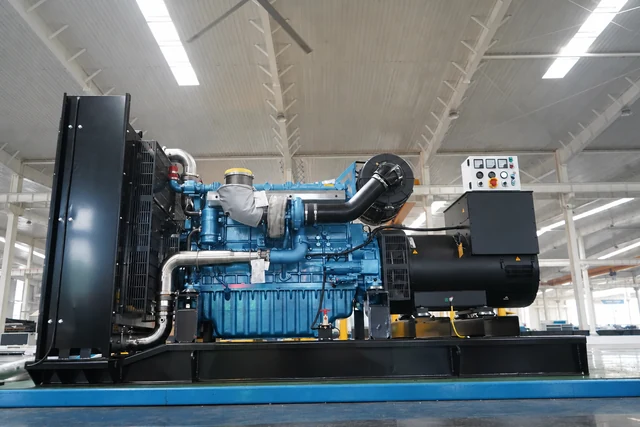
Why Can Motor Starting Still Trip a Generator Sized from Nameplate kW?
Learn how motor starting current, DOL, star-delta, soft starters, VFDs, simultaneous loads and recovery sequence determine generator size.
Read article →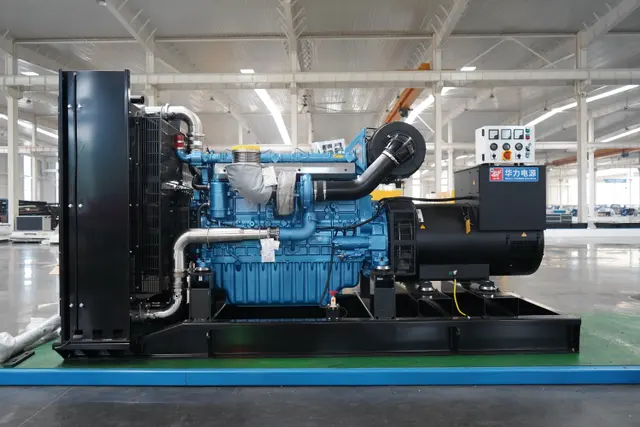
Why Must Prime, Standby and Critical-Power Duties Be Defined Before Generator Sizing?
Learn how operating duty, annual hours, load profile, critical-load scope, derating and expansion reserve determine the correct generator rating.
Read article →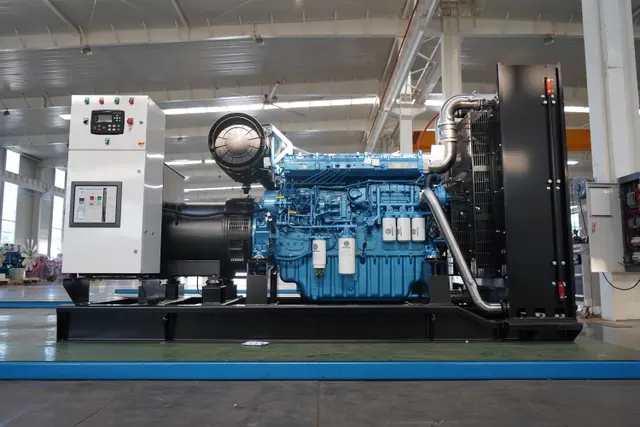
Which Critical Loads Need an Independent Backup Path Instead of Sharing One Generator Bus?
Learn how to identify critical loads, assign recovery priorities, isolate circuits, coordinate protection and prove restoration through staged-load testing.
Read article →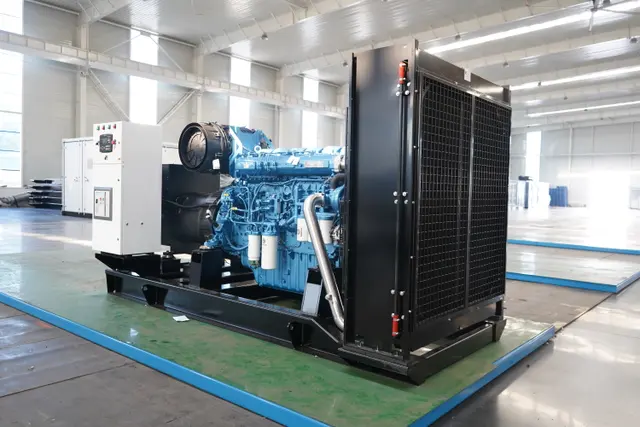
How Does Selective Protection Keep One Fault from Stopping the Entire Backup System?
Learn how load zoning, protection selectivity, staged recovery, circuit naming and operating drills prevent one branch fault from becoming a systemwide outage.
Read article →
Why Does a Successful No-Load Start Not Prove the Backup-Power System Is Ready?
Plan generator load-bank and site-load testing around ATS transfer, staged load, voltage, frequency, cooling, fuel, alarms and acceptance records.
Read article →
What Do Generator kW, kVA and 0.8 Power Factor Actually Mean?
Understand generator kW, kVA, power factor, engine mechanical power and alternator capacity, plus what to verify during procurement and testing.
Read article →
How Should You Choose 50 Hz or 60 Hz—and 1500 rpm or 1800 rpm?
Understand generator frequency, poles and engine speed, and verify local power systems, loads, cooling, noise and governor settings.
Read article →
How Do You Choose Single-Phase, Three-Phase, 380 V, 400 V, 415 V, 440 V or 480 V?
Select generator phase and voltage from load plates, line and phase voltage, neutral, imbalance and the local distribution system.
Read article →Lifecycle cost, capacity reserve and equipment renewal
Compare fuel, spares, future expansion and existing equipment condition—not purchase price alone.
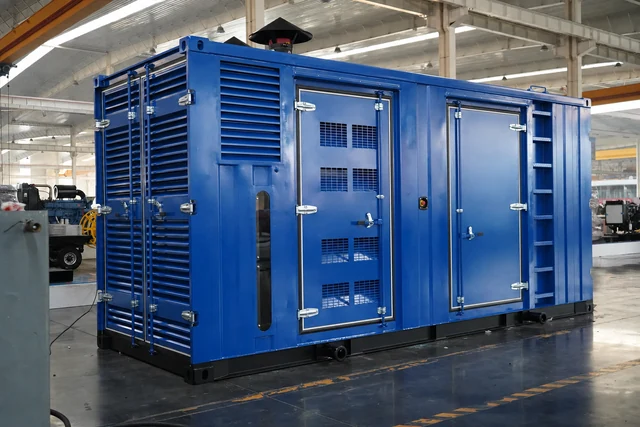
How Should Generator Life-Cycle Cost and Fuel Use Be Compared Before Purchase?
Compare generator options using purchase price, load profile, fuel, delivery, maintenance, parts, engineering support, downtime and expansion sensitivity.
Read article →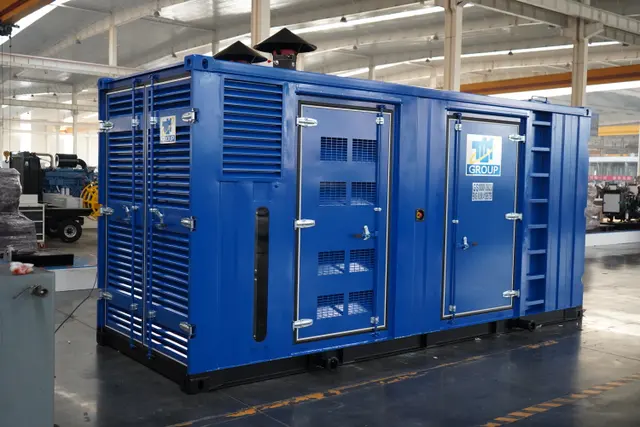
Why Can New Equipment Still Fail to Start When Expansion Capacity Was Not Reserved?
Plan generator expansion around new loads, starting demand, ATS, distribution, cables, fuel, ventilation and paralleling so added equipment can operate.
Read article →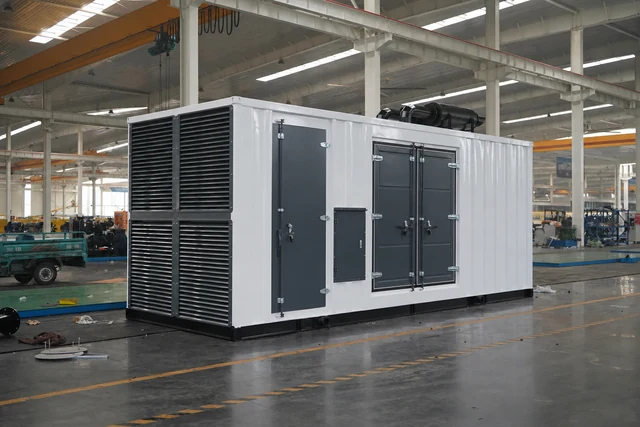
When Should an Aging Generator Be Upgraded, Paralleled or Replaced for Expansion?
Learn when failures, fuel use, unavailable spares, changed loads, control compatibility and expansion needs justify upgrading, paralleling or replacing a generator.
Read article →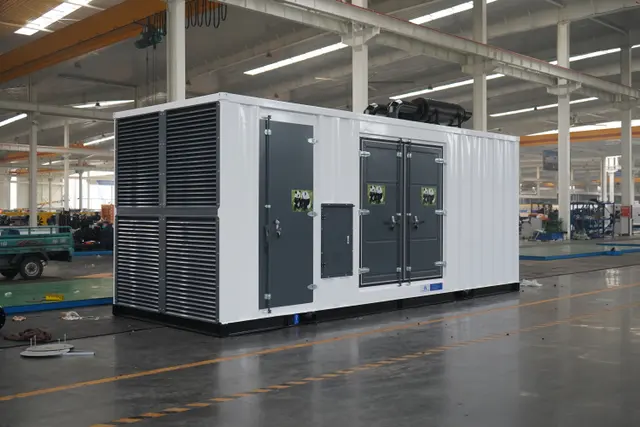
Why Must a Diesel Generator Spare-Parts Plan Exist Before Failure?
Plan filters, batteries, belts, sensors, controllers, AVRs and critical generator parts around service cycles, site risk and supply lead time.
Read article →
Should Generator Maintenance Follow Operating Hours or Calendar Time?
Build a maintenance plan using both run hours and elapsed time, adjusted for engine model, fluids, batteries, environment, load and criticality.
Read article →
How Do You Keep a Standby Generator Ready After Months of Little or No Operation?
Plan automatic mode, batteries, fluids, fuel, corrosion control, exercise, loaded testing, ATS checks, records and service response for long-term standby readiness.
Read article →ATS, distribution, fuel and installation conditions
Validate switching, distribution, fuel, cooling, ventilation and exhaust as one power system.
Why Can ATS, Distribution and Starting Batteries Still Fail When Generator Capacity Is Sufficient?
Learn how starting batteries, ATS logic, breakers, cables, low-voltage distribution and critical-load zoning determine whether backup power really recovers.
Read article →
Why Can Cable Voltage Drop and Protection Prevent Starting Even with Enough Generator Capacity?
Learn how low-voltage distribution, breaker settings, cable size and length, voltage drop, connection heating and selectivity determine usable generator power.
Read article →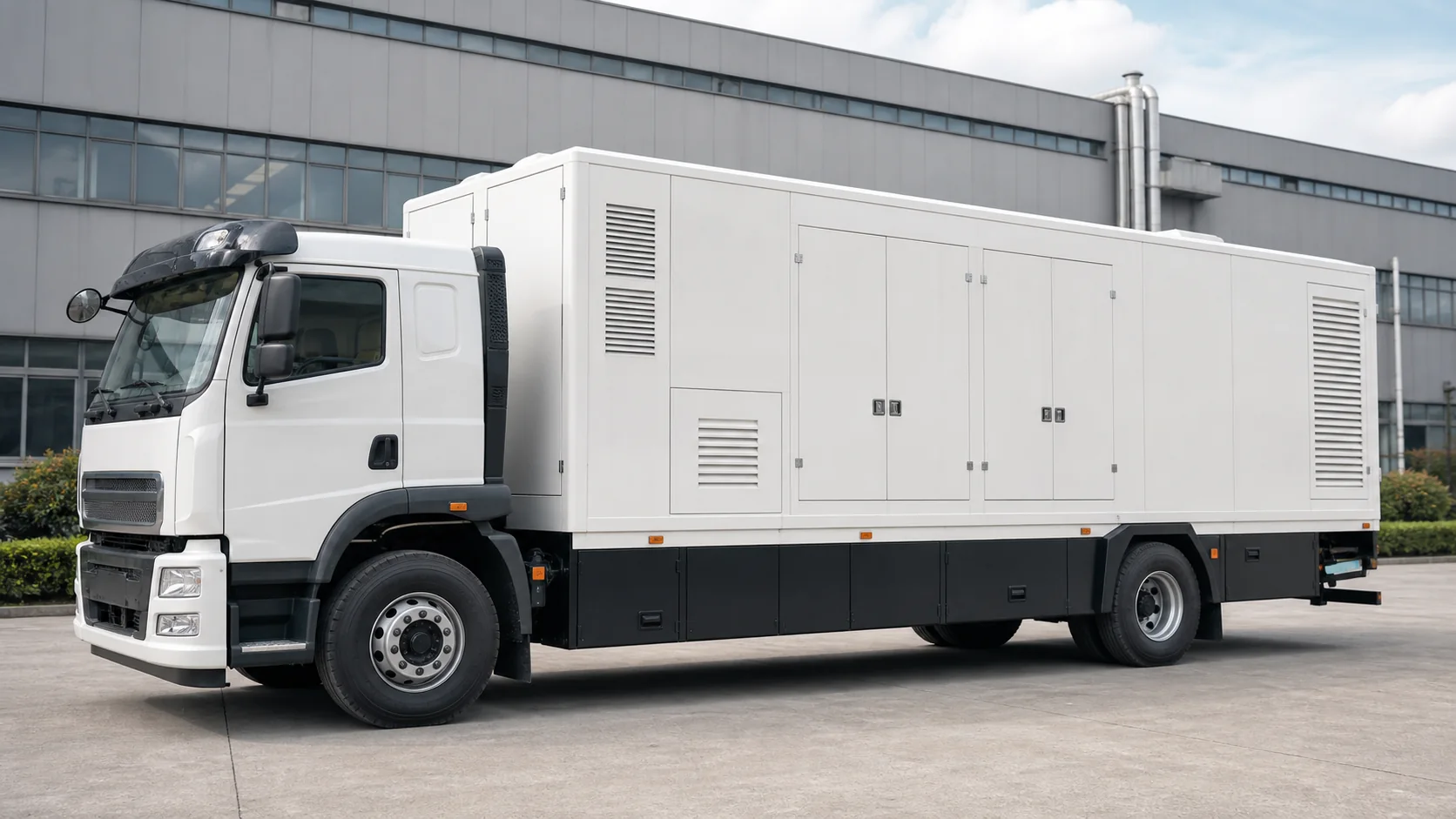
How Do Fuel, Cooling, Ventilation and Exhaust Form a Reliable Operating System?
Plan fuel runtime, refueling access, coolant, inlet and discharge air, exhaust and service space for reliable long-duration generator operation.
Read article →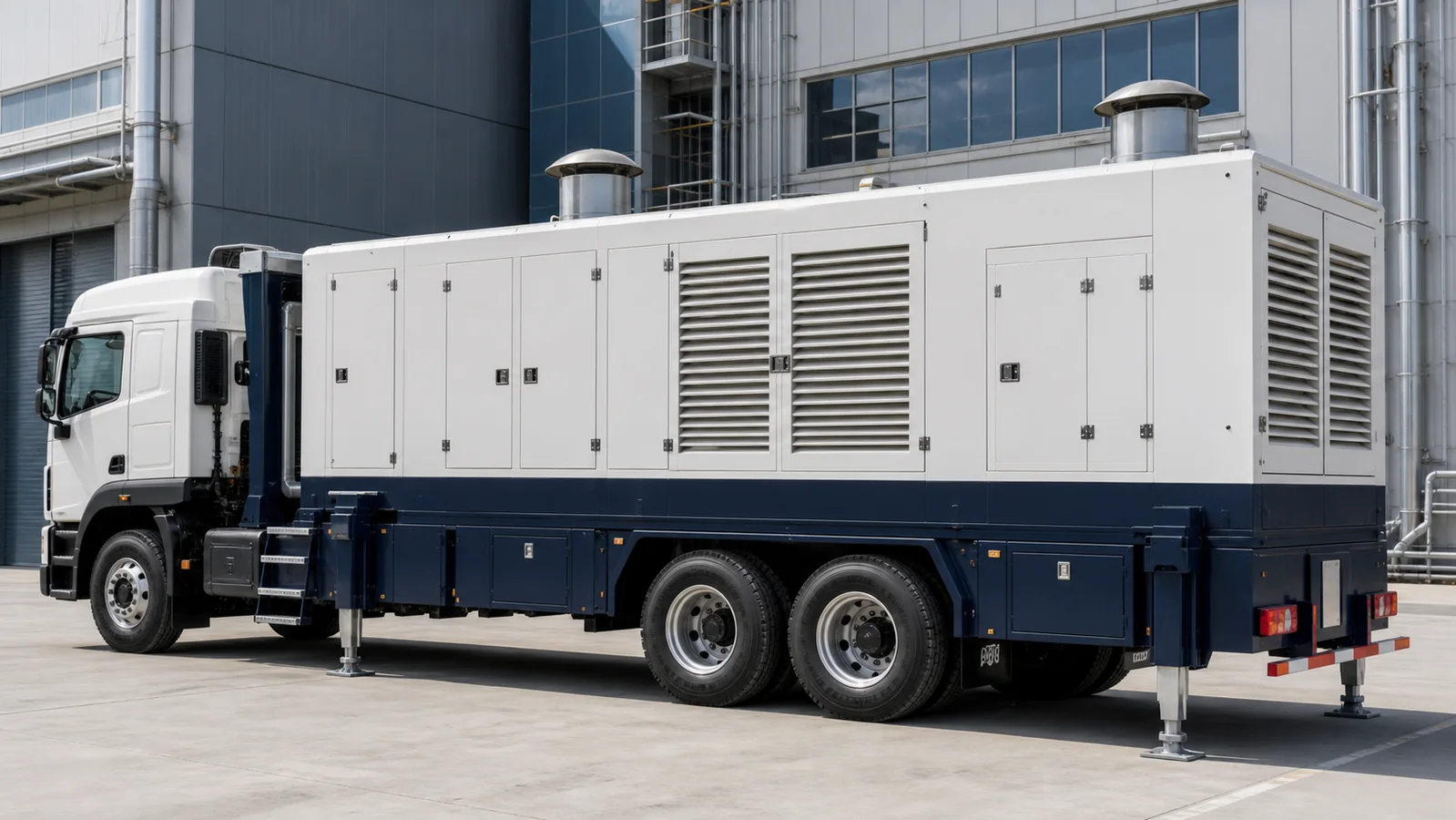
How Should Generator Runtime and Refueling Be Verified Before an Outage?
Calculate real generator runtime from load, usable fuel, tank arrangement, level controls, refueling access, safety reserve and fuel-quality management.
Read article →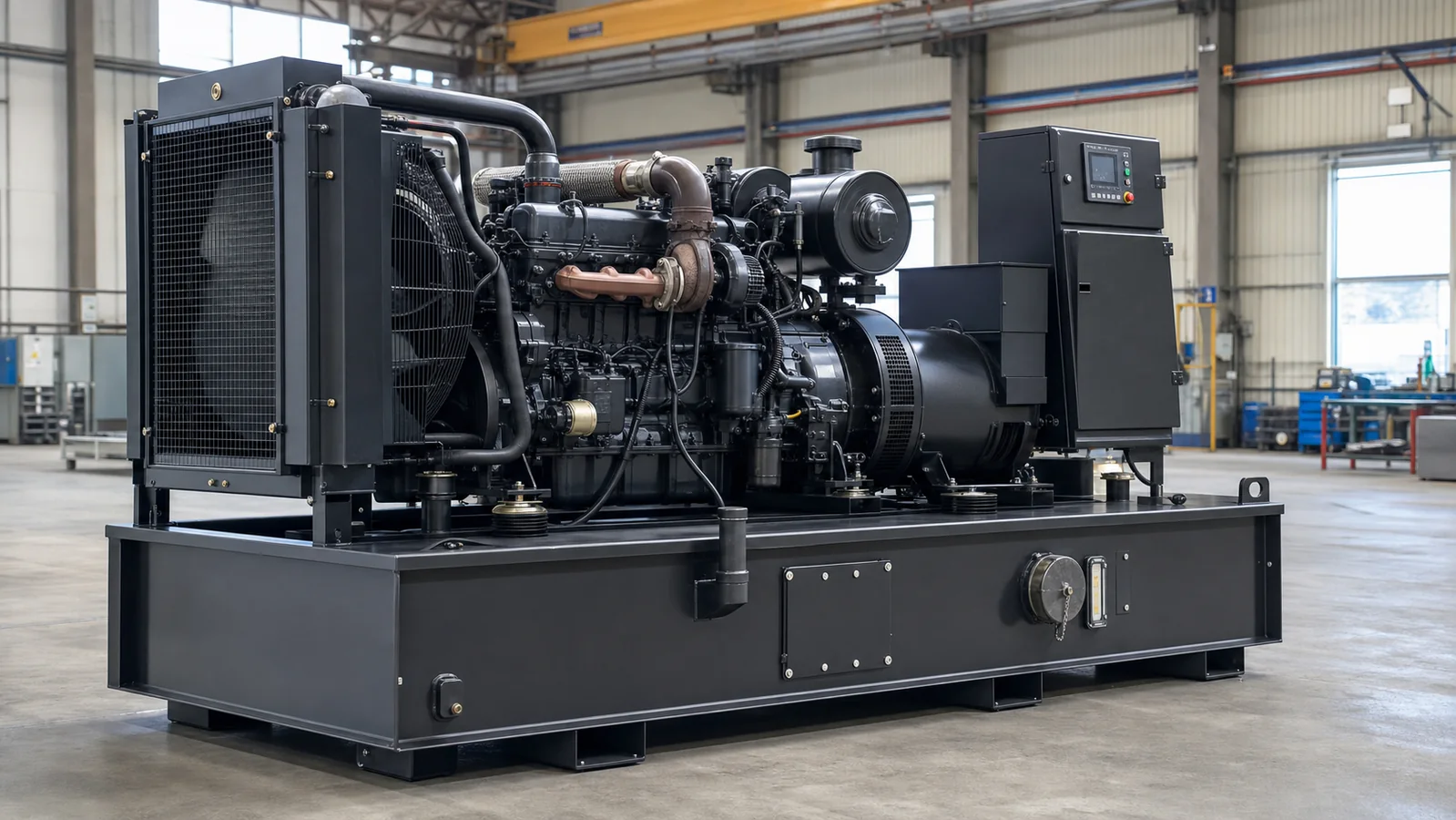
What Must Be Confirmed Before a Diesel Generator Reaches the Site?
A practical checklist for foundations, access, ventilation, exhaust, fuel, cabling, grounding and fire-safety interfaces before generator delivery.
Read article →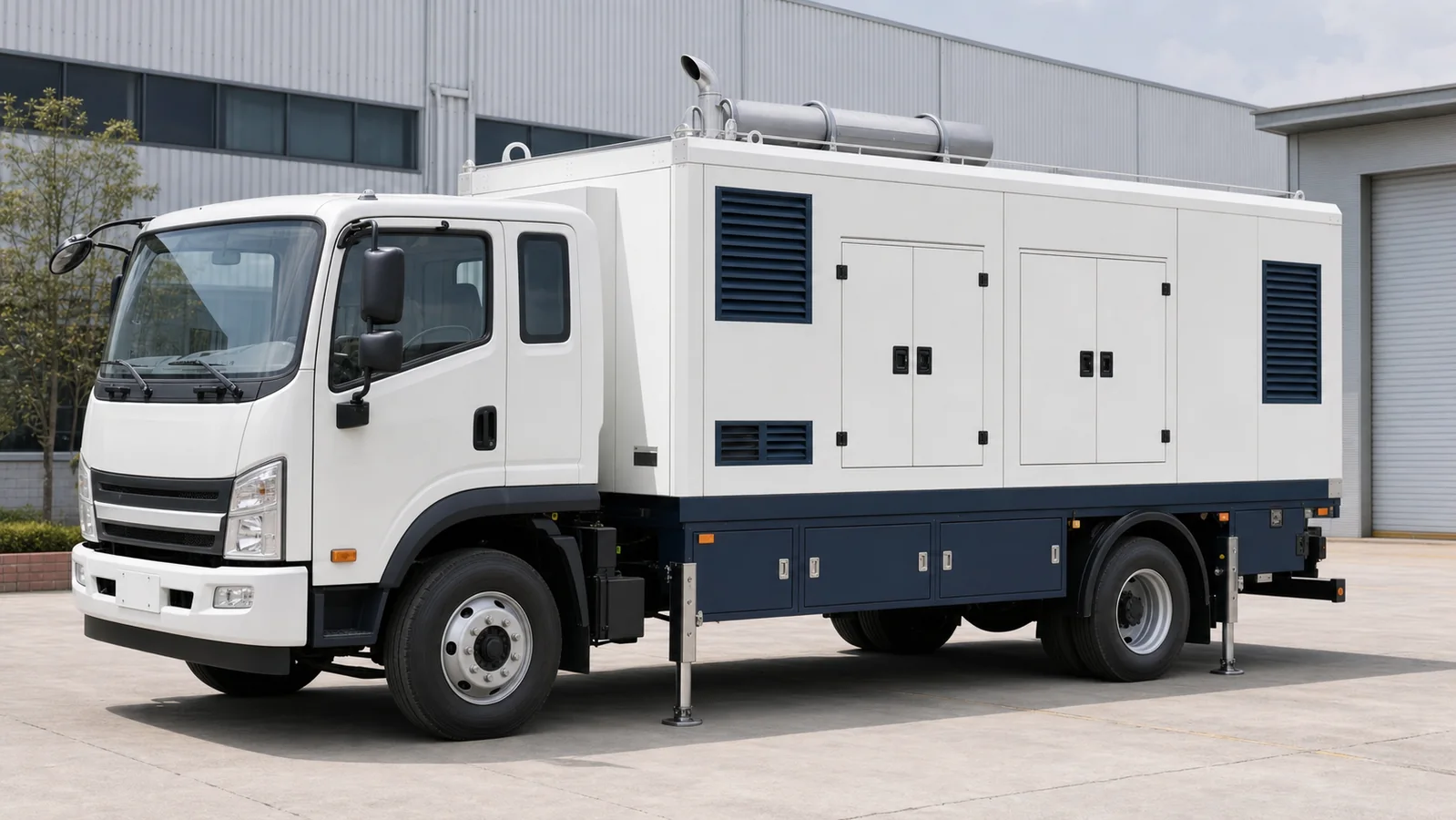
Why Do Foundation, Vibration Isolation and Service Clearance Belong in One Review?
How generator support, leveling, vibration isolation, flexible connections and service access affect reliability, noise and maintenance cost.
Read article →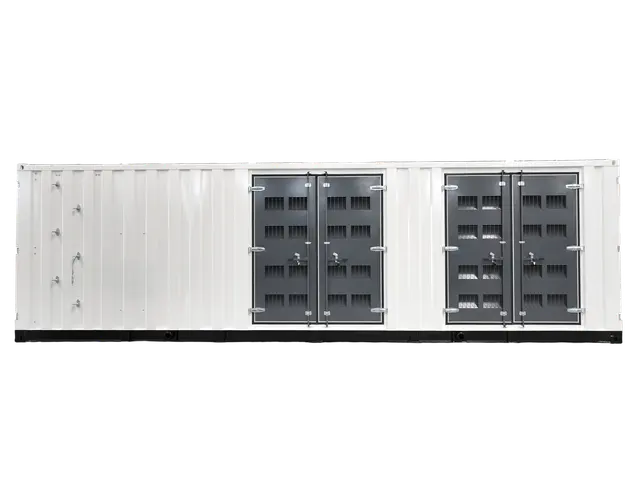
Why Can a Generator Overheat Even When the Room Has Large Louvers?
How to review combustion air, radiator airflow, pressure loss, hot-air recirculation and room temperature for reliable loaded operation.
Read article →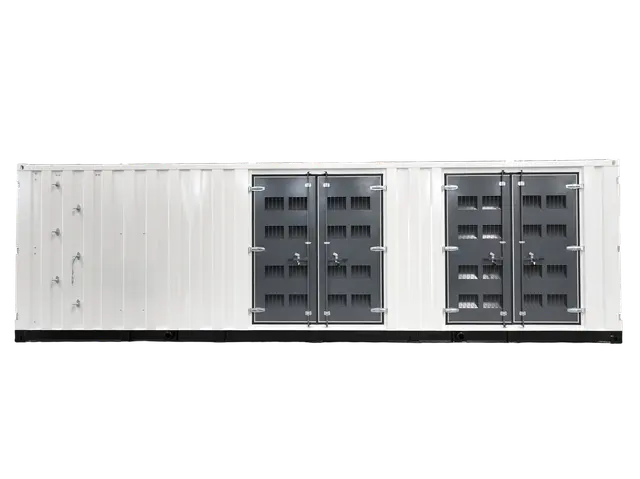
Why Is Removing Smoke Not Enough for a Safe Generator Exhaust System?
Review exhaust backpressure, pipe sizing, flexible sections, expansion, supports, insulation and discharge location for diesel generator installations.
Read article →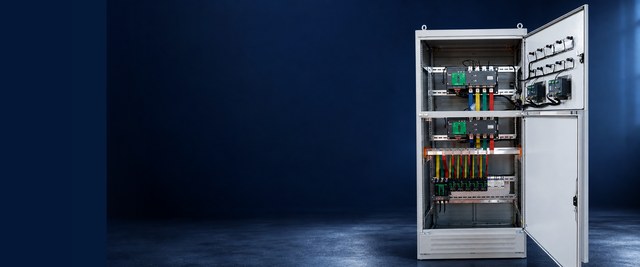
Why Can a Full Fuel Tank Still Leave a Diesel Generator Starved of Fuel?
How tank position, suction loss, return flow, water separation, filtration and fuel cleanliness determine reliable generator operation.
Read article →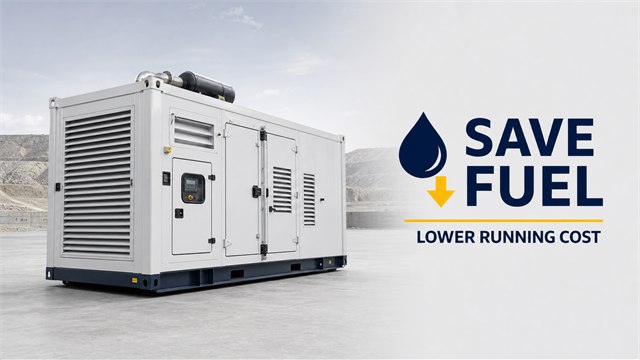
Why Can a Battery Show Normal Voltage and Still Fail to Start the Generator?
How battery capacity, connections, charger settings, cranking voltage and test records determine generator starting readiness.
Read article →Why Must Grounding, Cable Sizing and Protection Be Reviewed as One System?
Review generator earthing, neutral arrangement, cable ampacity, voltage drop, fault current, breakers and protection coordination before energization.
Read article →The Engine Runs—Why Is There No Voltage or Why Is the Output Unstable?
A safe evidence-first guide to breaker position, speed, excitation, AVR sensing, wiring and load conditions when generator output is absent or unstable.
Read article →Which Generator-Room Risks Must Be Closed Before Normal Operation?
A practical review of exhaust gas, fire, fuel leaks, hot surfaces, moving parts, electrical energy, access, noise and emergency response.
Read article →Should an ATS Be Three-Pole or Four-Pole, Open-Transition or Closed-Transition?
Select ATS poles and transition mode from neutral switching, grounding, residual protection, paralleling, continuity and local requirements.
Read article →What Is the Difference Between a 40°C and 50°C Radiator—and Which Fits a Hot Climate?
Understand ambient radiator rating, coolant temperature, airflow, static pressure, recirculation, altitude and generator-room ventilation.
Read article →What Should Be Tested During Generator FAT and SAT?
Build factory and site acceptance checklists for identity, function, load, ATS, distribution, fuel, cooling and documentation.
Read article →What Must Be Confirmed Before Generator Transport, Lifting and Unloading?
Confirm packaged dimensions, weight, center of gravity, lifting points, route, crane, access and storage before generator dispatch.
Read article →Derating, inspection, diagnosis and service support
Availability after delivery depends on site conditions, records, fault evidence and a workable service path.
Why Can Heat, Altitude, Dust and Rain Make a Generator Underdeliver On Site?
Learn how temperature, altitude, dust, humidity, rain, airflow resistance and maintenance conditions reduce usable generator output and reliability.
Read article →Why Must Diesel Generators Be Inspected and Documented Continuously?
Learn how batteries, fluids, leaks, alarms, automatic transfer, loaded testing and traceable maintenance records protect standby-power reliability.
Read article →What Evidence Helps Engineers Diagnose a Generator Alarm Faster?
Learn which alarm codes, operating readings, photos, video, ATS status and maintenance history help engineers diagnose generator faults faster.
Read article →How Can You Verify Local After-Sales Support Before Buying a Diesel Generator?
Learn how to verify service cities, response time, remote diagnostics, technical capability, spare-parts sources, field costs and responsibility boundaries.
Read article →The Generator Does Not Start—What Evidence Should Be Preserved Before Resetting It?
A safe guide to distinguish no-crank, slow-crank and crank-no-start conditions using alarms, battery data, speed, fuel and shutdown history.
Read article →Why Does a Generator Start Normally and Shut Down Seconds or Minutes Later?
Use shutdown timing, alarm history, oil pressure, coolant, speed, fuel and load sequence to distinguish protection, control and supply causes.
Read article →What Do Black, White or Blue Smoke and Loss of Power Actually Tell You?
Use smoke color, load, temperature, fuel, air, maintenance and operating data to prepare a safe generator diagnosis without guessing at parts.
Read article →How Should High Coolant Temperature or Low Oil Pressure Be Handled Without Causing More Damage?
An evidence-first response to generator high temperature and low oil pressure using load, trends, fluid condition, ventilation and alarm sequence.
Read article →When Speed Hunts or Vibration Increases, What Should Be Recorded Before Adjustment?
Use load, frequency, fuel, airflow, mounting, flexible connections and recent work to document unstable speed, vibration or abnormal noise safely.
Read article →Which Generator Data Is Worth Monitoring Remotely—and Which Alarms Need Action?
Prioritize operating mode, availability, starts, alarms, battery, fuel, load, voltage, frequency, temperature and maintenance data for remote generator oversight.
Read article →Why Do Diesel Generators Develop Deposits and Wet Stacking at Low Load?
Understand incomplete combustion, wet exhaust residue, deposits, smoke, oil dilution and maintenance risk during prolonged low-load operation.
Read article →Selection, Procurement and Brand Decisions
Build purchasing decisions around power, package, fuel, quotations, quality, voltage and system architecture, then compare brand fit and local execution.
How to Choose a Diesel Generator Engine Brand
Build an engine-brand decision around power, duty, loads, fuel, local service, parts and lead time.
Read selection guide →How to Choose a Generator Alternator Brand and Model
Choose an alternator brand and model by loads, transients, excitation, AVR, temperature, environment and support.
Read selection guide →How to Choose the Right Diesel Generator Power
Size power with steady loads, starting events, duty ratings, derating and justified expansion reserve.
Read sizing guide →How to Choose an Open, Silent, Container, Trailer or Truck-Mounted Generator
Choose among five formats by plant room, noise, weather, transport and mobility.
Choose the package format →How to Compare Diesel Generator Fuel Consumption and Efficiency
Align load and test boundaries to calculate real kWh and annual fuel cost.
Compare fuel consumption →How to Compare Two Diesel Generator Quotations
Align ratings, scope, quality, testing, documents and support.
Compare quotations →How to Verify the Manufacturing Quality of a Diesel Generator Set
Verify quality through identity, structure, hardware, systems, tests and records.
Verify generator quality →How to Choose a Low-Voltage, 6.3 kV or 10.5 kV Generator System
Choose LV or MV by power, distance, current, existing bus and protection.
Choose system voltage →How to Choose ATS, Generator Paralleling or N+1 Redundancy
Choose ATS, paralleling or N+1 by continuity, capacity, failure and growth.
Choose the architecture →Should You Choose a Cummins Generator Engine?
See why Cummins may or may not fit and how it compares with Perkins, Weichai, Yuchai and Baudouin.
View brand comparison →Should You Choose a Perkins Generator Engine?
Assess Perkins generation strengths, constraints, local support and tradeoffs against other engine brands.
View brand comparison →Why Choose—or Not Choose—a Weichai Generator Engine?
Assess Weichai rating coverage, set coordination, delivery economics and overseas support conditions.
View brand comparison →Should You Choose a Yuchai Generator Engine?
Understand Yuchai fit, constraints, local support and peer tradeoffs.
View brand comparison →Should You Choose a Baudouin Generator Engine?
Understand Baudouin fit, constraints, local support and peer tradeoffs.
View brand comparison →Should You Choose an MTU Generator Engine?
Understand MTU fit, constraints, local support and peer tradeoffs.
View brand comparison →Do Doosan Generator Engines Now Use the HD Hyundai Brand?
Understand HD Hyundai fit, constraints, local support and peer tradeoffs.
View brand comparison →Should You Choose a Scania Generator Engine?
Understand Scania fit, constraints, local support and peer tradeoffs.
View brand comparison →Should You Choose a STAMFORD Alternator?
Understand STAMFORD fit, constraints, local support and peer tradeoffs.
View brand comparison →Should You Choose a Leroy-Somer (Nidec Power) Alternator?
Understand Leroy-Somer (Nidec Power) fit, constraints, local support and peer tradeoffs.
View brand comparison →Should You Choose a Marathon Electric Alternator?
Understand Marathon Electric fit, constraints, local support and peer tradeoffs.
View brand comparison →How Do You Choose a Generator Controller—DSE, ComAp or SmartGen?
Compare DSE, ComAp and SmartGen by function, communications, paralleling, support and spares.
Choose a controller →What Is the Difference Between AVR, PMG and Excitation Systems—and Which Loads Need Them?
Compare AVR supply, auxiliary winding and PMG behavior under transients and nonlinear loads.
Choose excitation →Why Can’t Generator Noise Be Compared from One dB(A) Number?
Align distance, load, measurement points and background before comparing dB(A).
Compare noise correctly →How Should You Read Generator IP Rating, Insulation Class and Temperature Rise?
Separate IP protection, insulation class and temperature-rise limits from the real environment and load.
Review electrical ratings →Generator Safety
Review visible hazards across starting, operation, exhaust, fuel, electrical, battery, mechanical and severe-weather conditions before qualified site work begins.
Commercial Diesel Generator Safety Center
Start with the safety overview, then choose the guide that matches the current operating condition or visible risk.
Open safety center →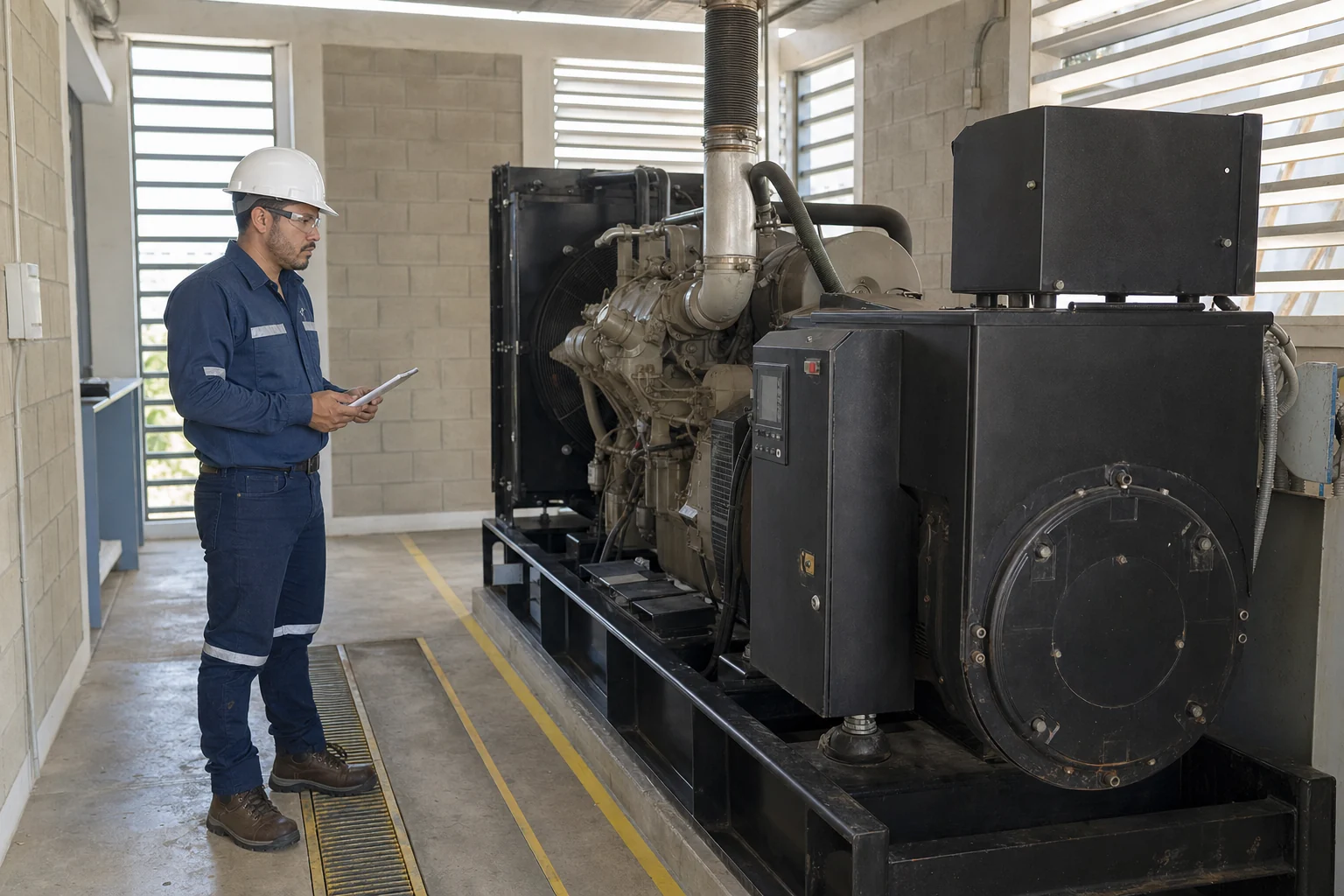
What Should Be Checked Before Starting a Commercial Diesel Generator?
Check the area, visible equipment condition, controls, access and responsible people before a start request.
Review pre-start checks →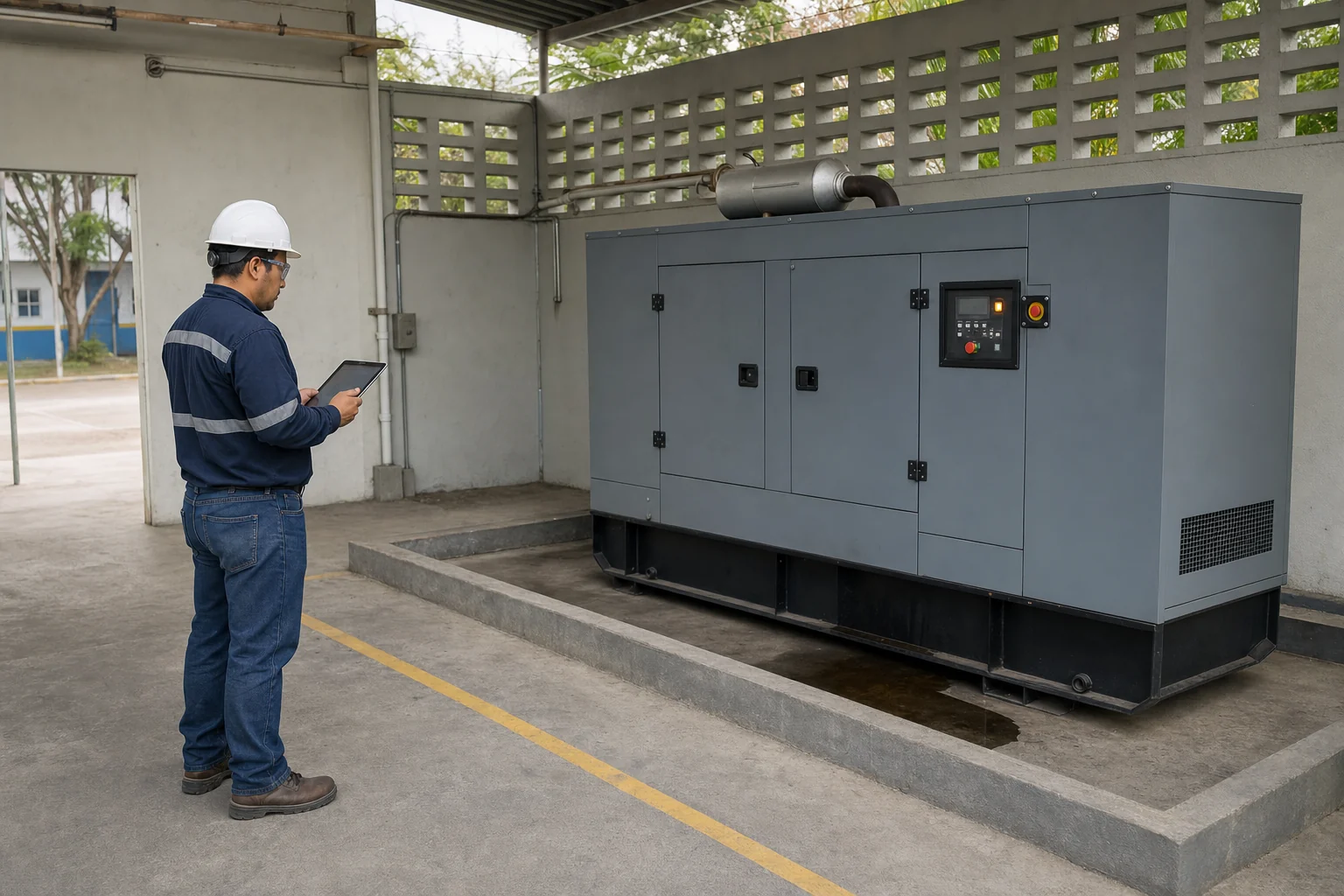
Which Warning Signs Mean a Generator Must Be Stopped and Kept Out of Service?
Recognize immediate threats, controlled-shutdown conditions and observations that require qualified review.
Review stop-use warning signs →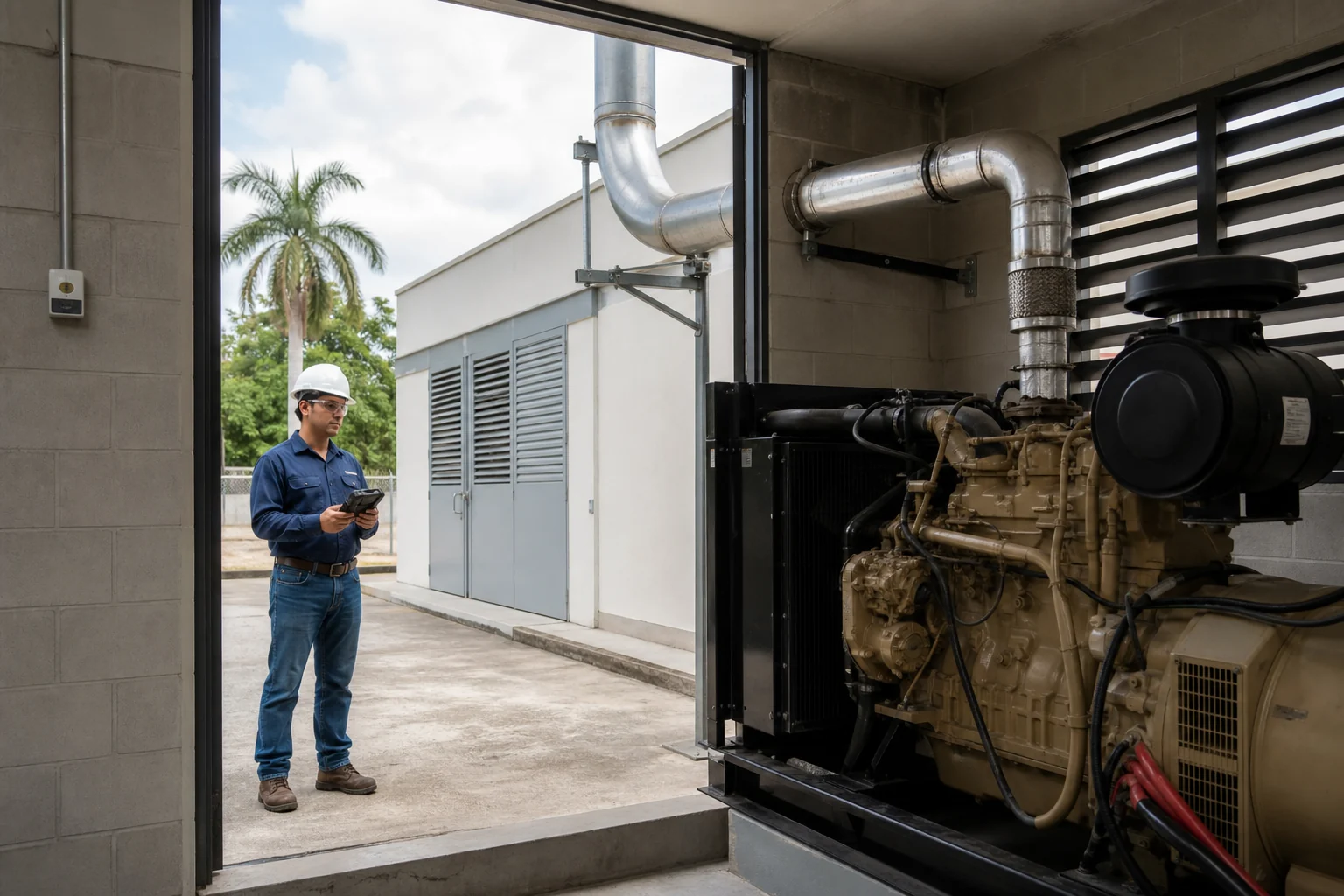
How Should Generator Exhaust, Carbon Monoxide and Room Ventilation Be Reviewed?
Review exhaust paths, occupied spaces, air intakes, ventilation and signs of gas recirculation.
Review exhaust and CO risks →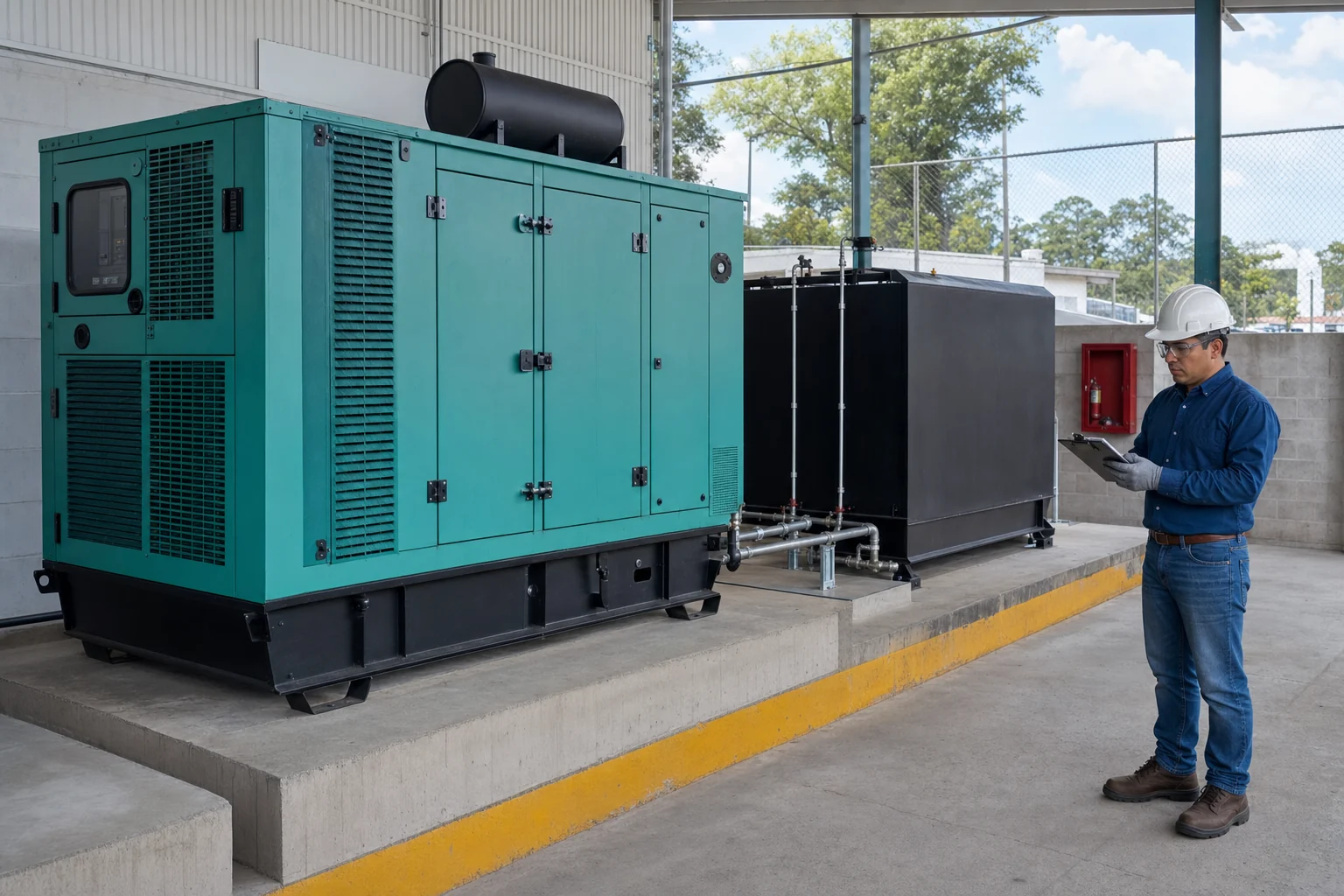
How Should Fuel Leaks, Refueling and Fire Risk Be Controlled Around a Generator?
Review visible fuel conditions, authorization, refueling boundaries, containment and emergency interfaces.
Review fuel and fire risks →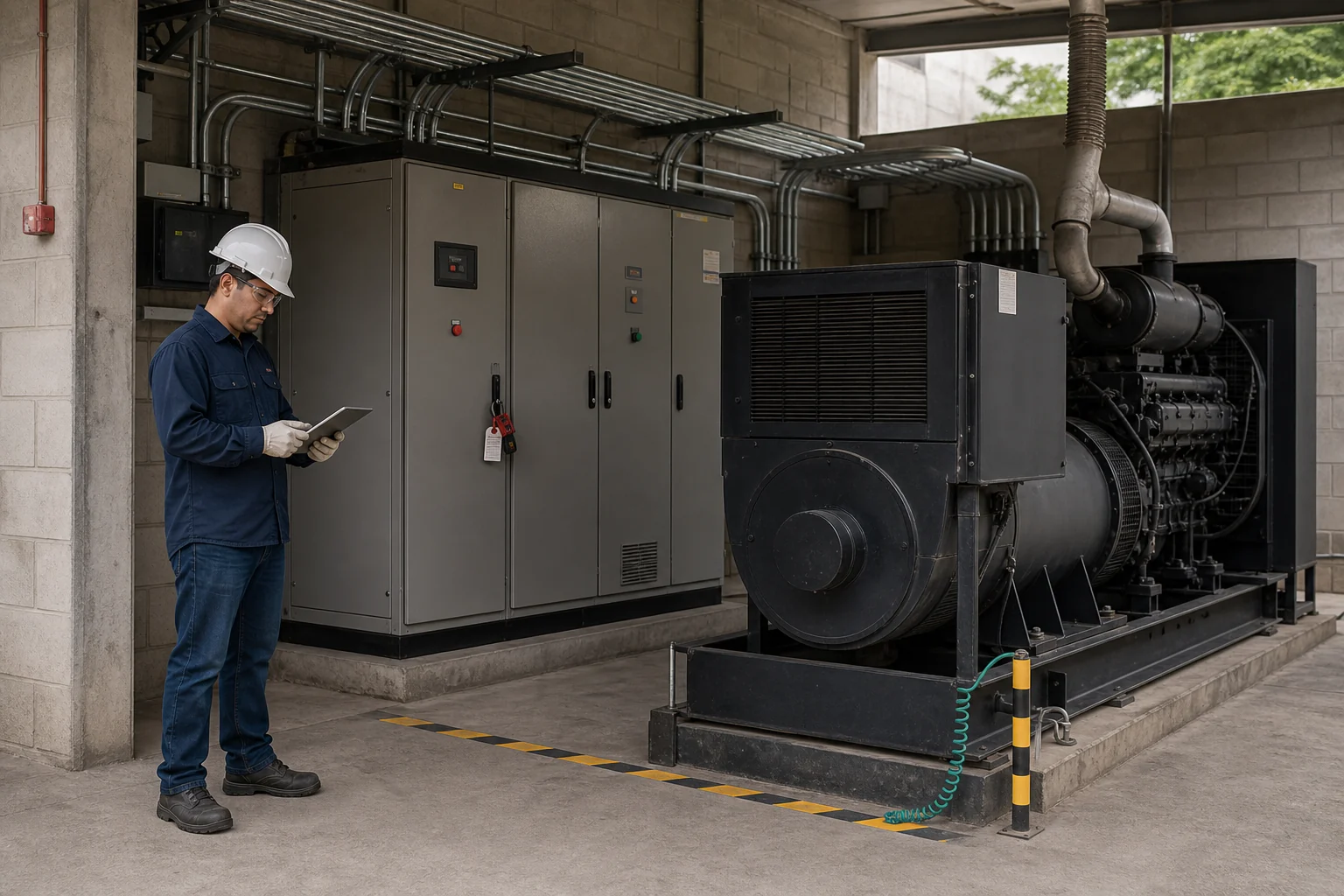
How Should Electrical Isolation, Backfeed and Grounding Risks Be Controlled?
Identify connected sources, transfer paths and qualified-work boundaries before access or return to service.
Review electrical boundaries →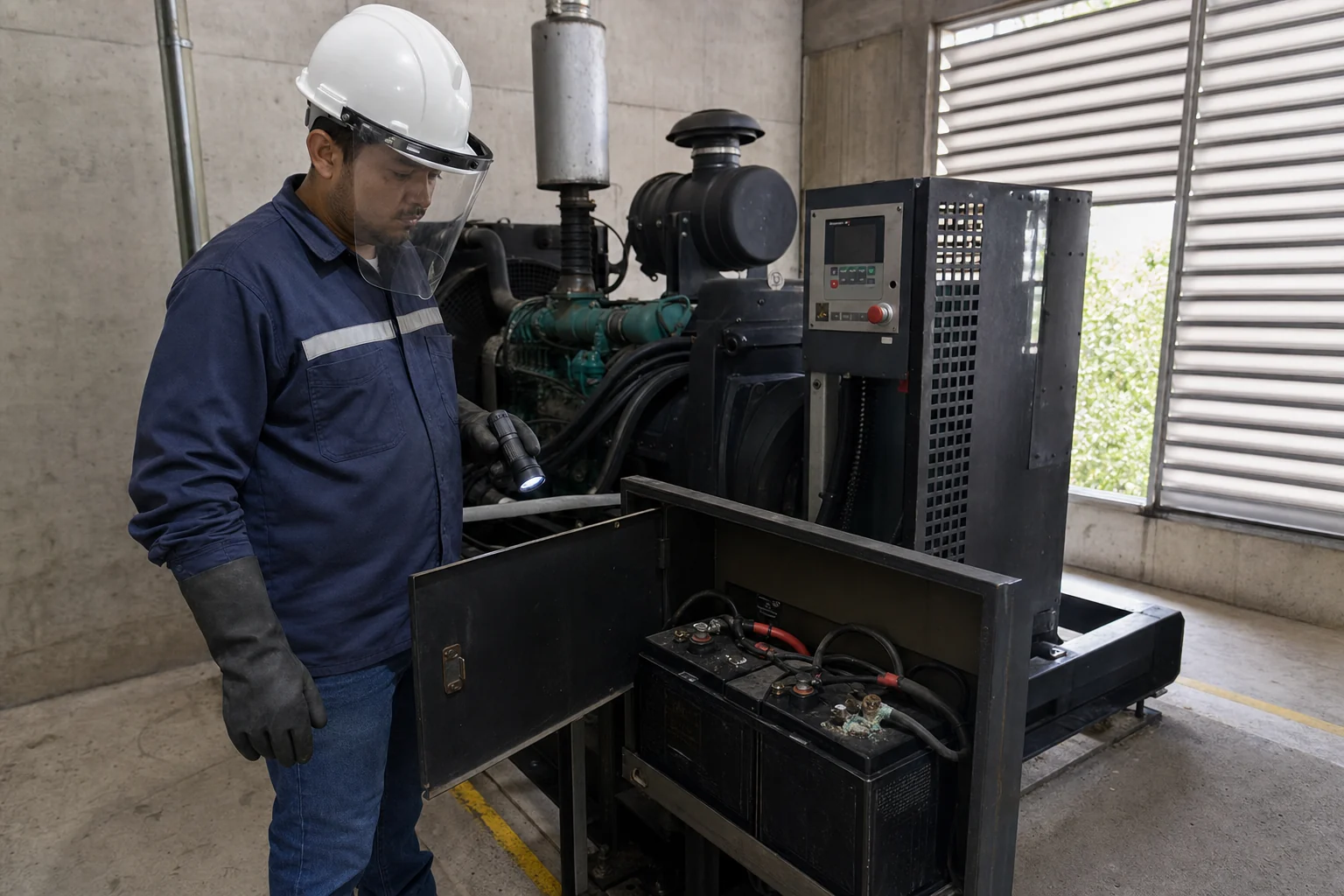
How Should Battery Gas, Corrosion and Short-Circuit Risks Be Recognized?
Review enclosure, ventilation, terminals, cables and charger conditions without creating a battery-service tutorial.
Review battery risks →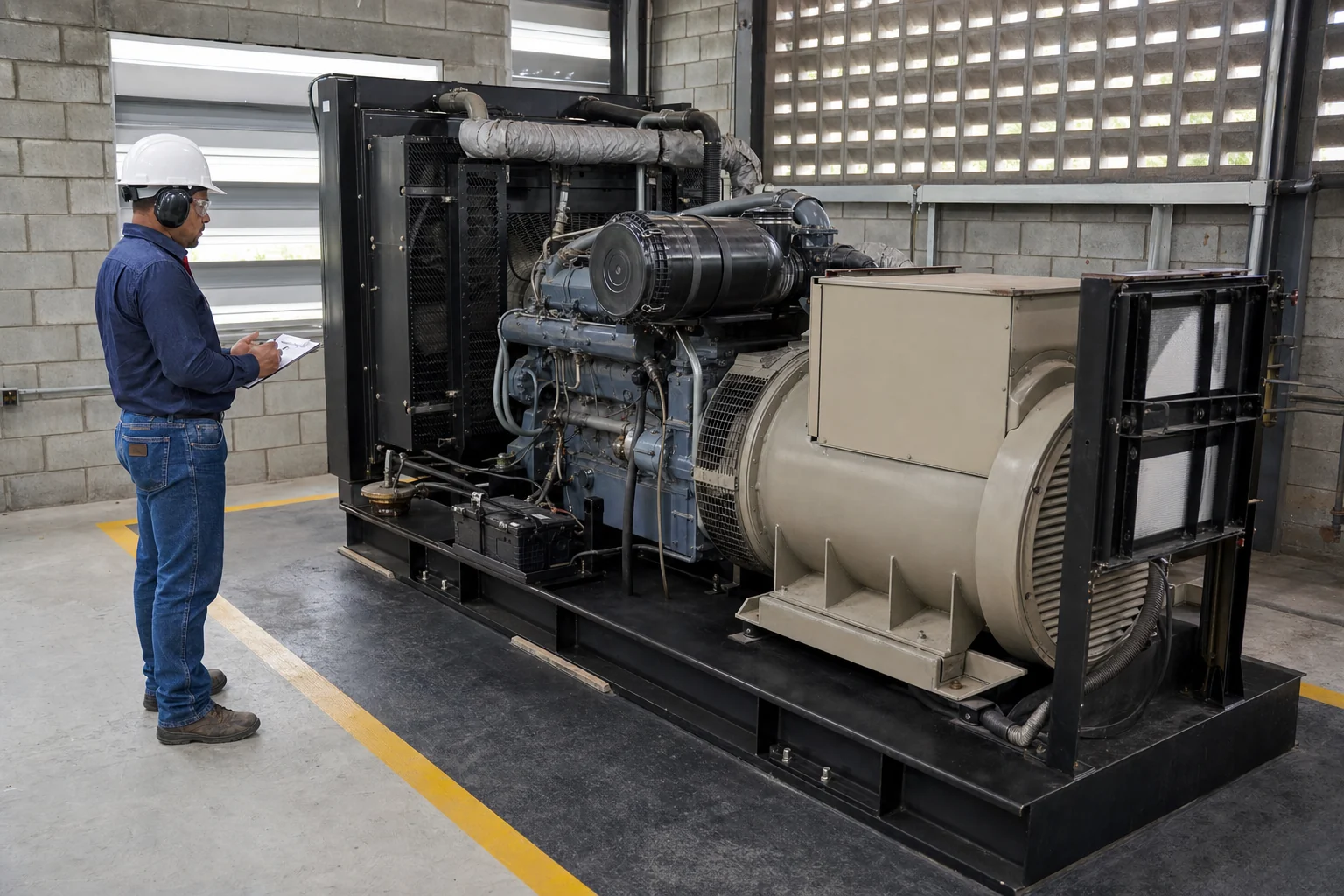
How Should Hot Surfaces, Rotating Parts and Noise Risks Be Controlled?
Review guards, access, hot fluids, abnormal vibration and site-specific personnel protection.
Review mechanical risks →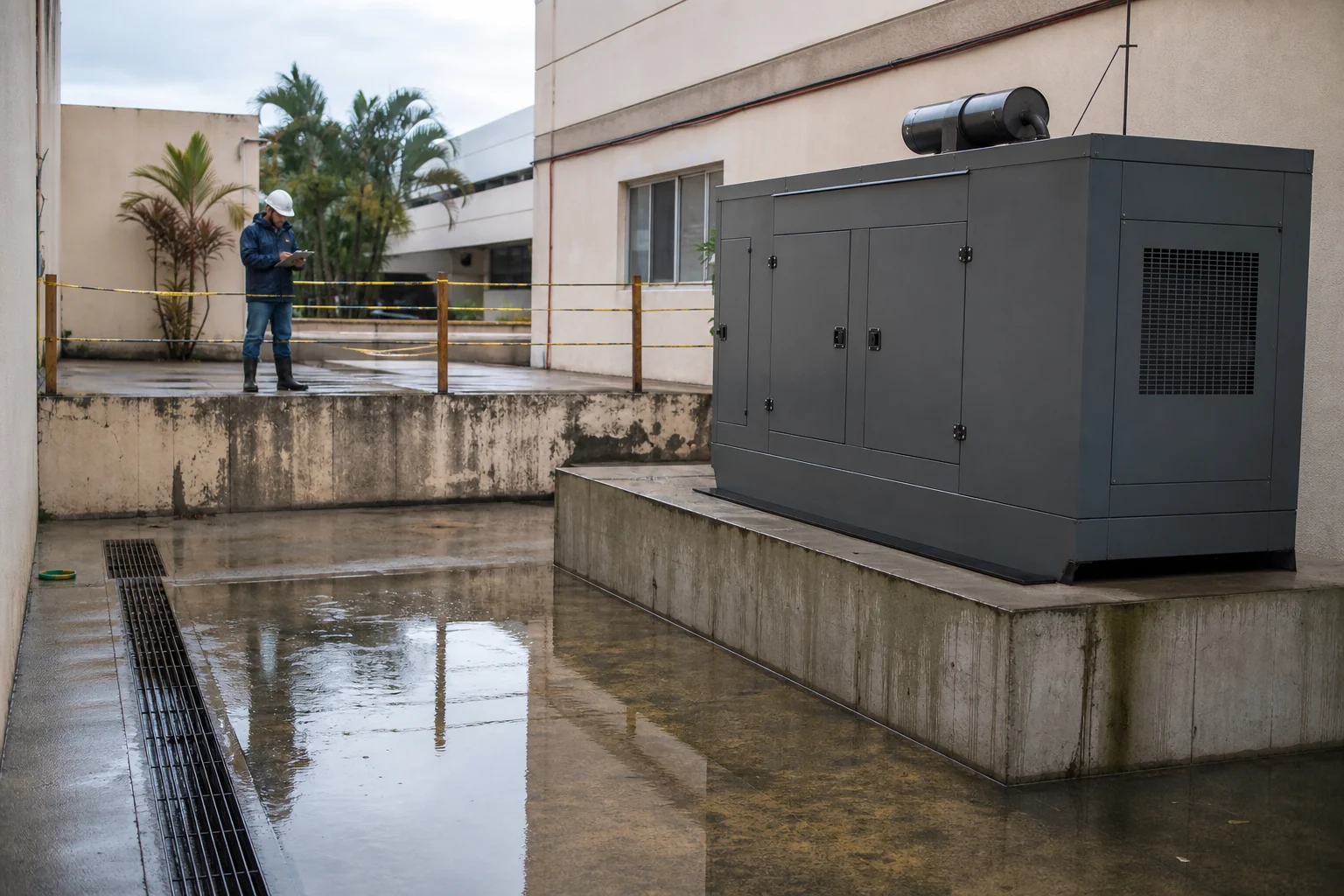
When Must Rain, Flooding or Severe Weather Stop Generator Use?
Restrict wet or storm-damaged areas and require qualified inspection before return to service.
Review weather risks →Explore Further
The Blog Explains the Principles; Products, FAQs and Cases Support the Decision
Get a Professional Standby-Power Configuration Recommendation
Share the country and city, application, required rating or critical loads, installation environment and current issue to receive professional recommendations on product selection, system scope and implementation conditions.