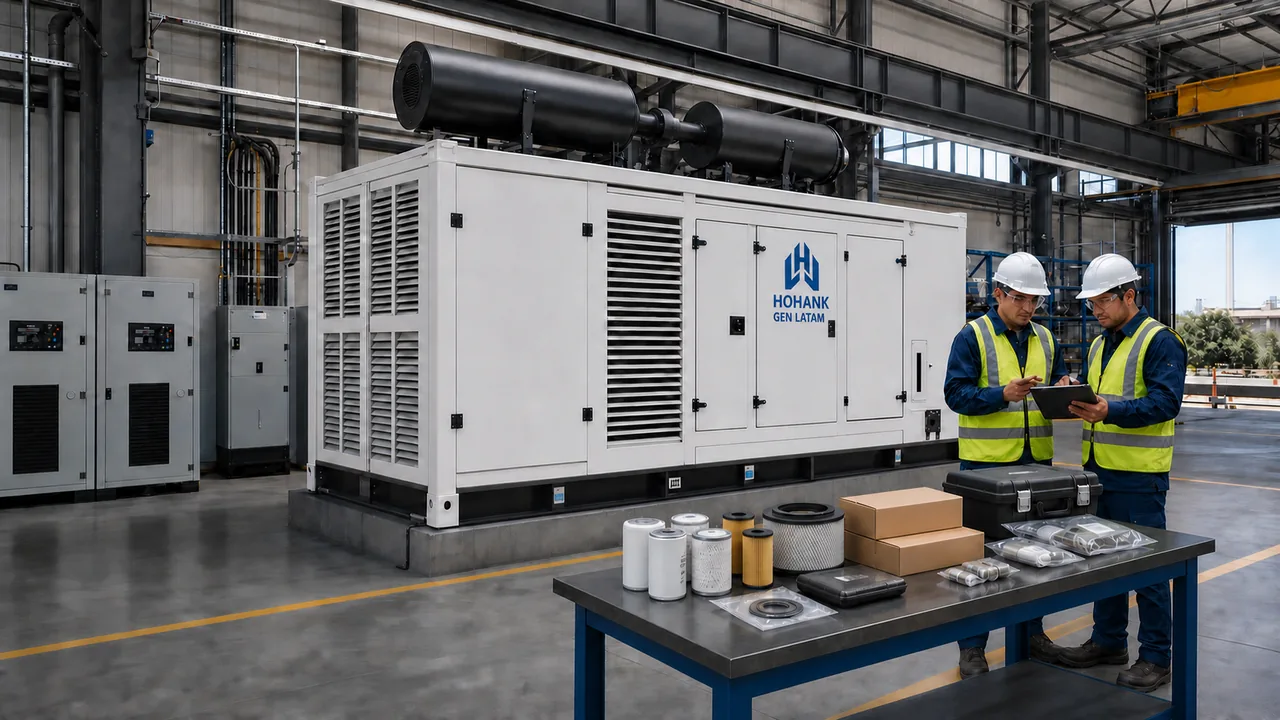
Engineer-led power systems · Local support across Latin America
Reliable power to keep mines, commercial facilities and critical operations running
HOHANK engineers configure diesel generator sets, ATS, paralleling, low-voltage distribution and fuel autonomy around each site's load, operating conditions and continuity requirements—backed by local inspection, commissioning, remote monitoring, spare parts and after-sales support.
HOHANK service commitment
Engineering-led power configuration for mines and commercial facilities
Since 2012, HOHANK engineers have supported mines, commercial buildings, industrial sites and critical facilities. Their project reviews address production continuity, motor starting, outage transfer, distribution, fuel autonomy, noise control and after-sales response.
Project diagnosis
Engineers review outage risk and critical loads
The engineering review starts with the facility type, critical loads, outage scenarios, ATS transfer, operating hours, existing equipment condition and local maintenance capability.
Site assessmentCritical-load reviewOperational-risk assessment
Clearly defined scope
Engineers define the complete system before quoting
Before quoting, the engineering team reviews generator capacity, ATS, paralleling, low-voltage distribution, fuel autonomy, remote monitoring, spare parts and expansion allowance as one system. That keeps the decision from being reduced to the price of a single machine.
Capacity reviewATS, paralleling and distributionFuel autonomy and future expansion
Quality and after-sales
Engineers plan delivery quality and after-sales response from the start
The engineering scope includes factory testing, site connection, commissioning, operator training, spare-parts supply and fault response to reduce risk after delivery.
Manufacturing and test controlInstallation and commissioning supportSpare parts and fault response
Generator formats and system components
Six product categories for commercial, industrial and mining sites
Open, sound-attenuated, containerized, trailer-mounted and vehicle-mounted generator sets cover different installation and operating conditions. ATS, paralleling, low-voltage distribution, fuel autonomy, remote monitoring and spare parts complete the system scope.
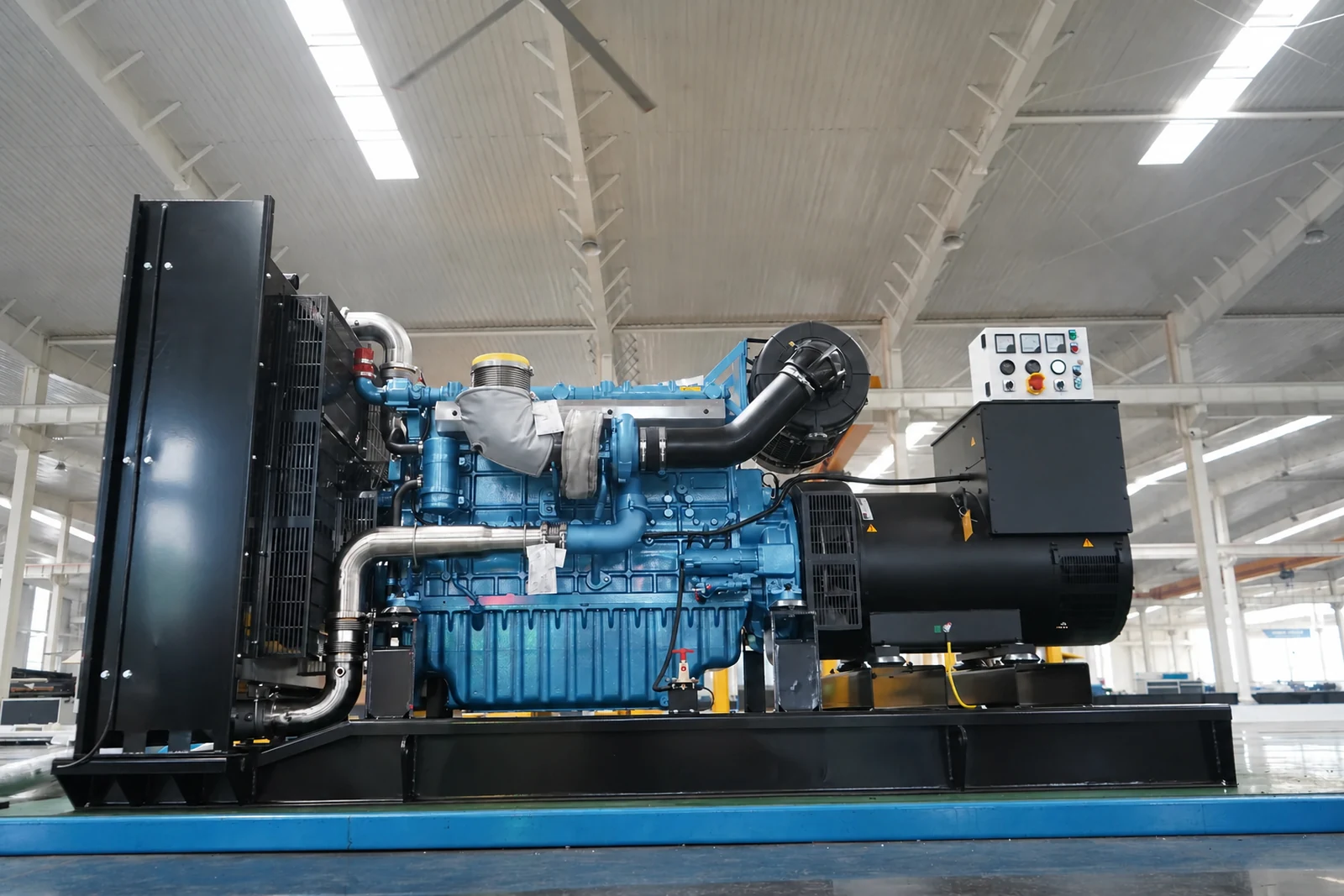
Open-type generator sets
For compliant generator rooms where straightforward access, easy maintenance and integration with distribution, exhaust and fuel systems are priorities.
Explore Open-Type Generator Sets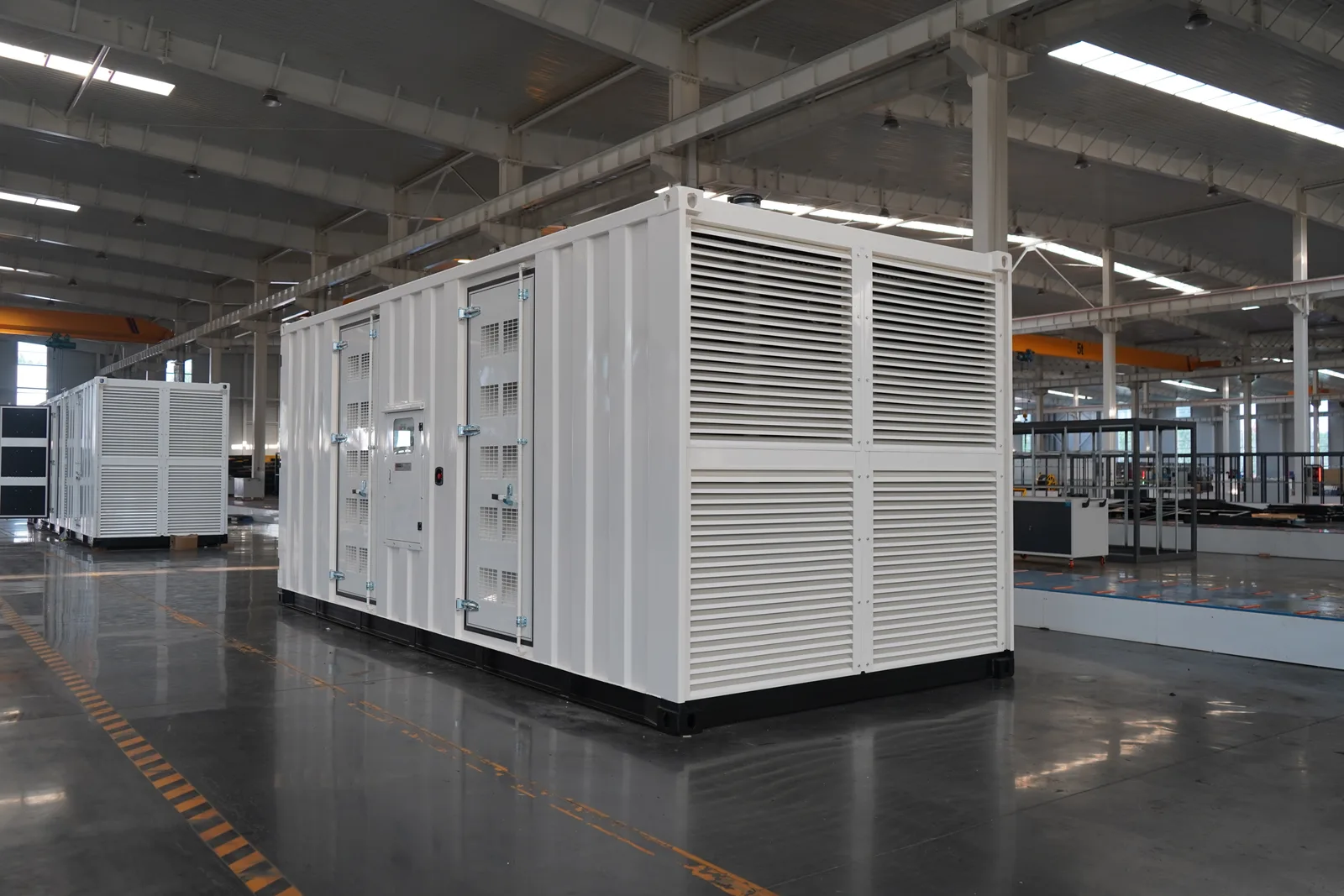
Sound-attenuated generator sets
The enclosure integrates sound attenuation, weather protection and ventilation for hotels, schools, commercial buildings and sites close to occupied areas.
Explore Sound-Attenuated Sets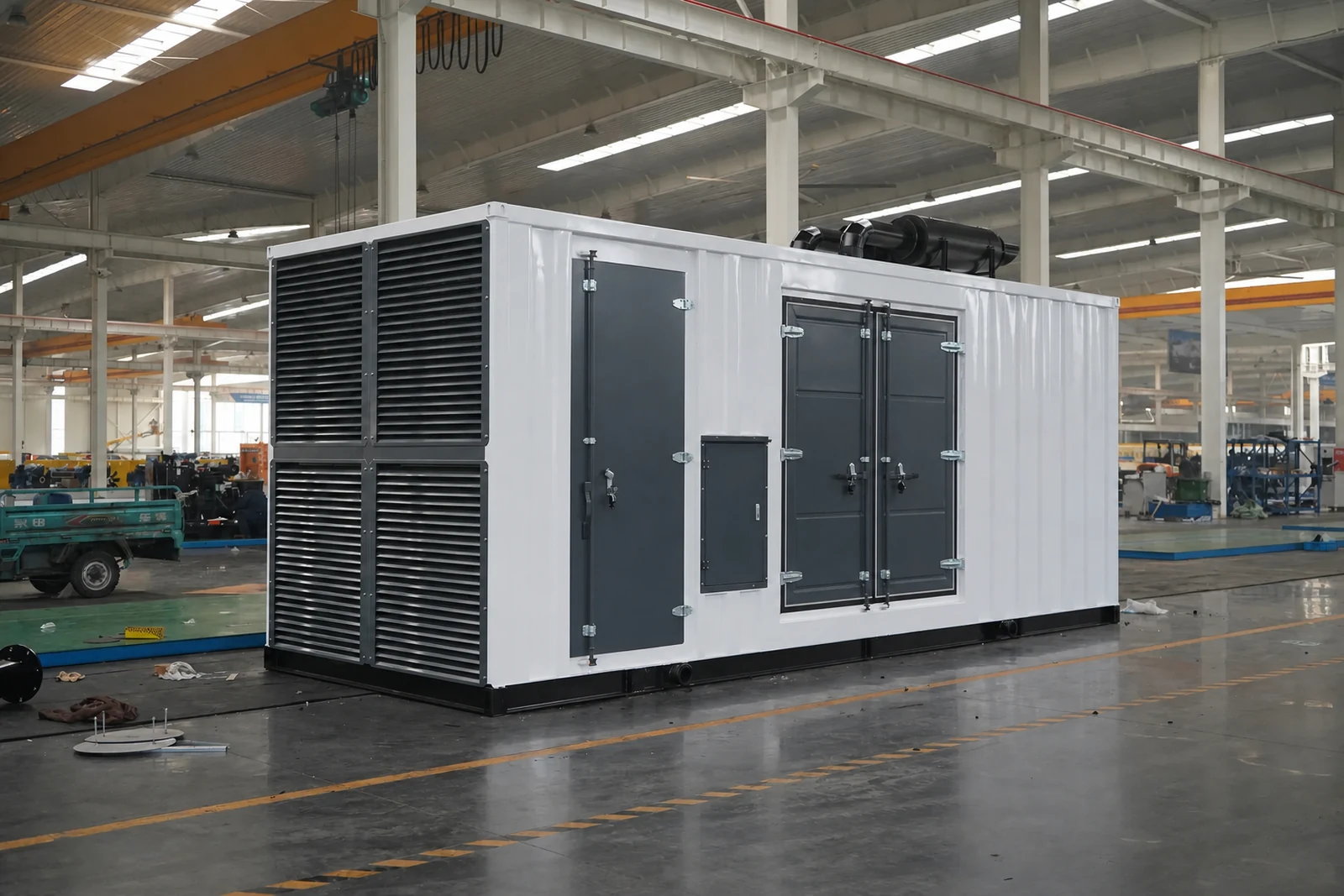
Containerized generator sets
For high-capacity outdoor duty, integrated transport and dedicated maintenance access at large commercial facilities, factories and data centers.
Explore Containerized Generator Sets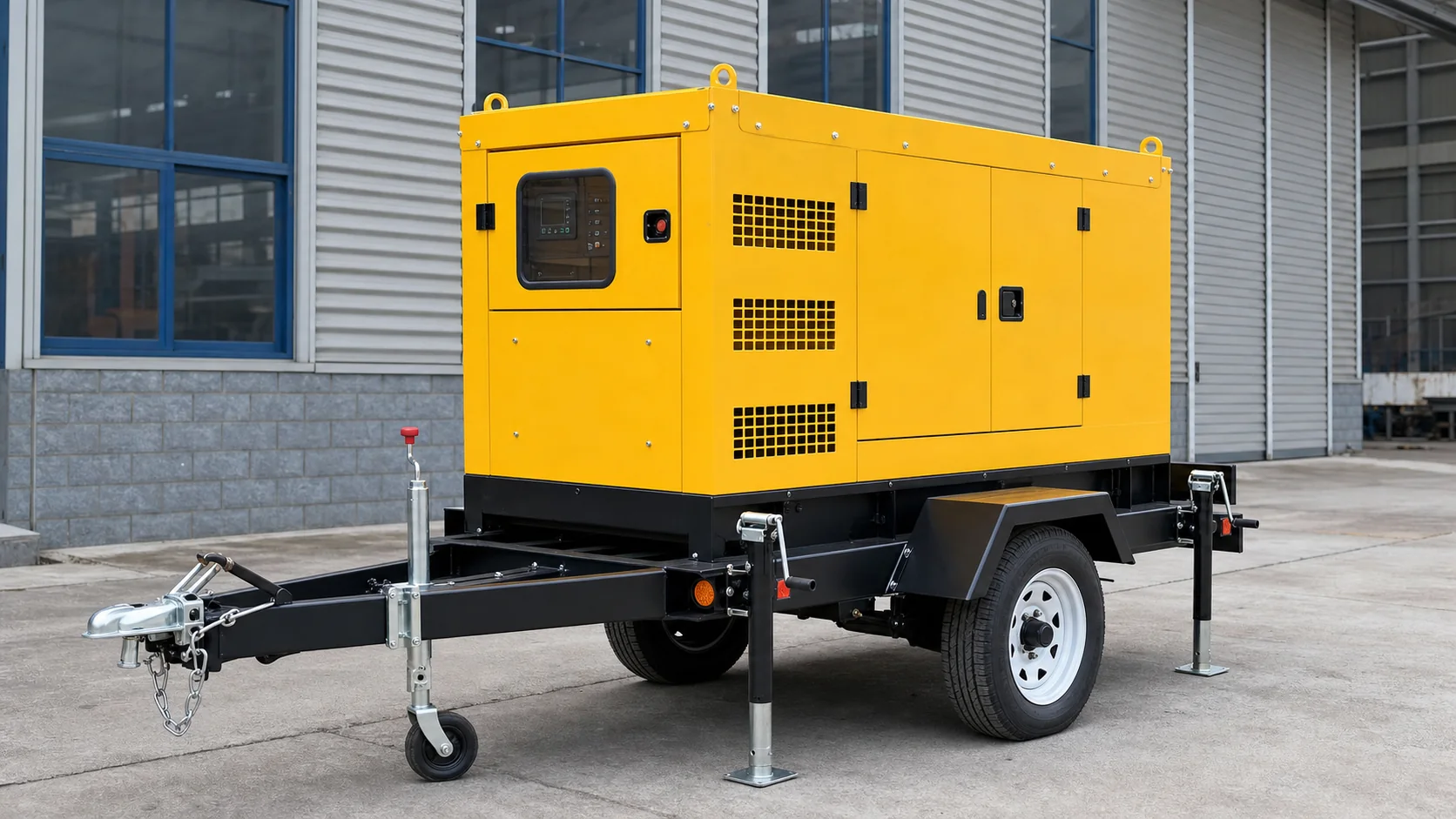
Trailer-mounted
For construction, events, emergency repairs and temporary site power, with towing, connections, grounding and road conditions reviewed in advance.
View Trailer-Mounted Sets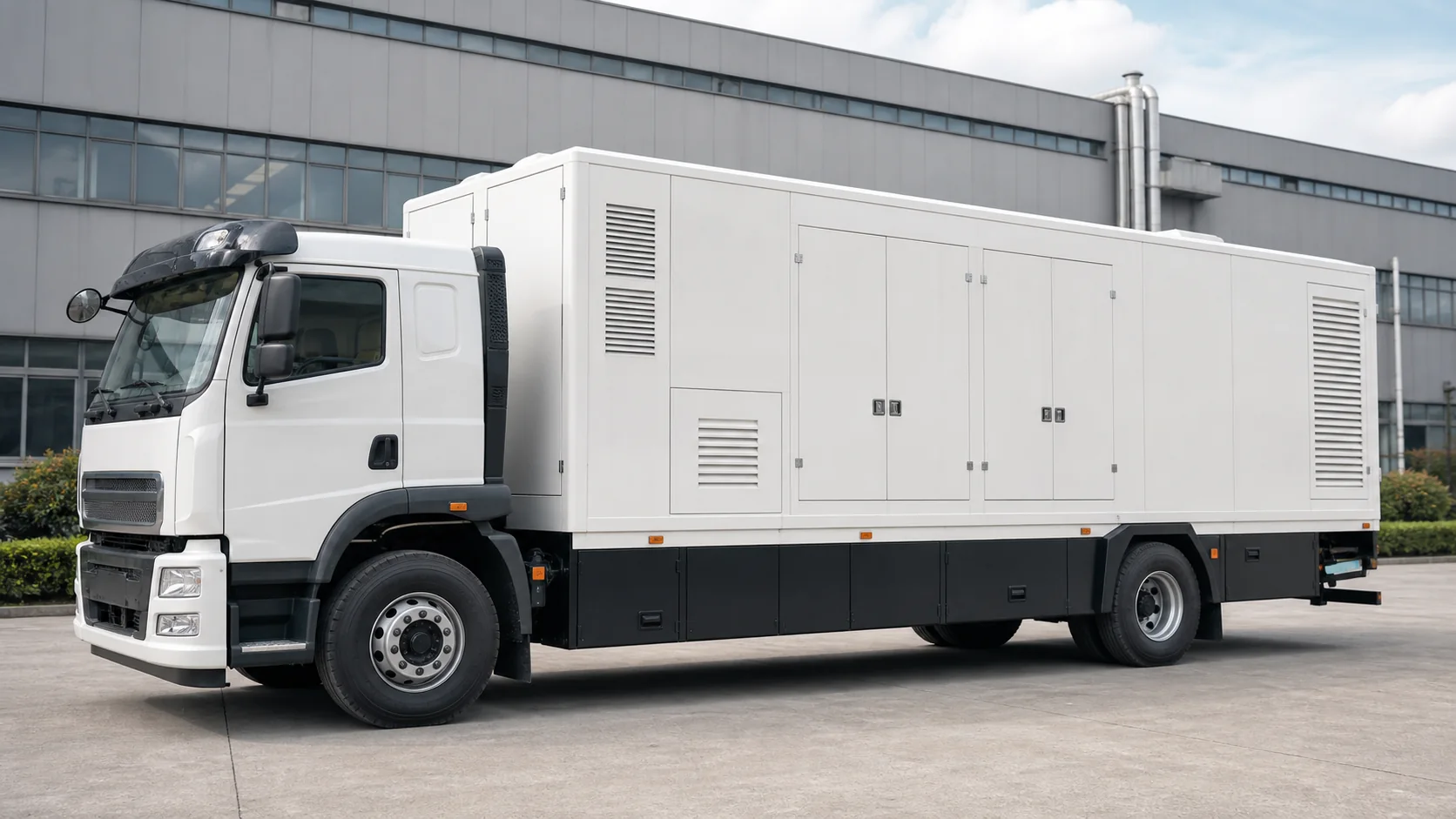
Vehicle-mounted mobile power stations
Generation, distribution, cabling and operating space are integrated on a vehicle platform for public-service and professional emergency-response teams.
Explore Vehicle-Mounted Power Stations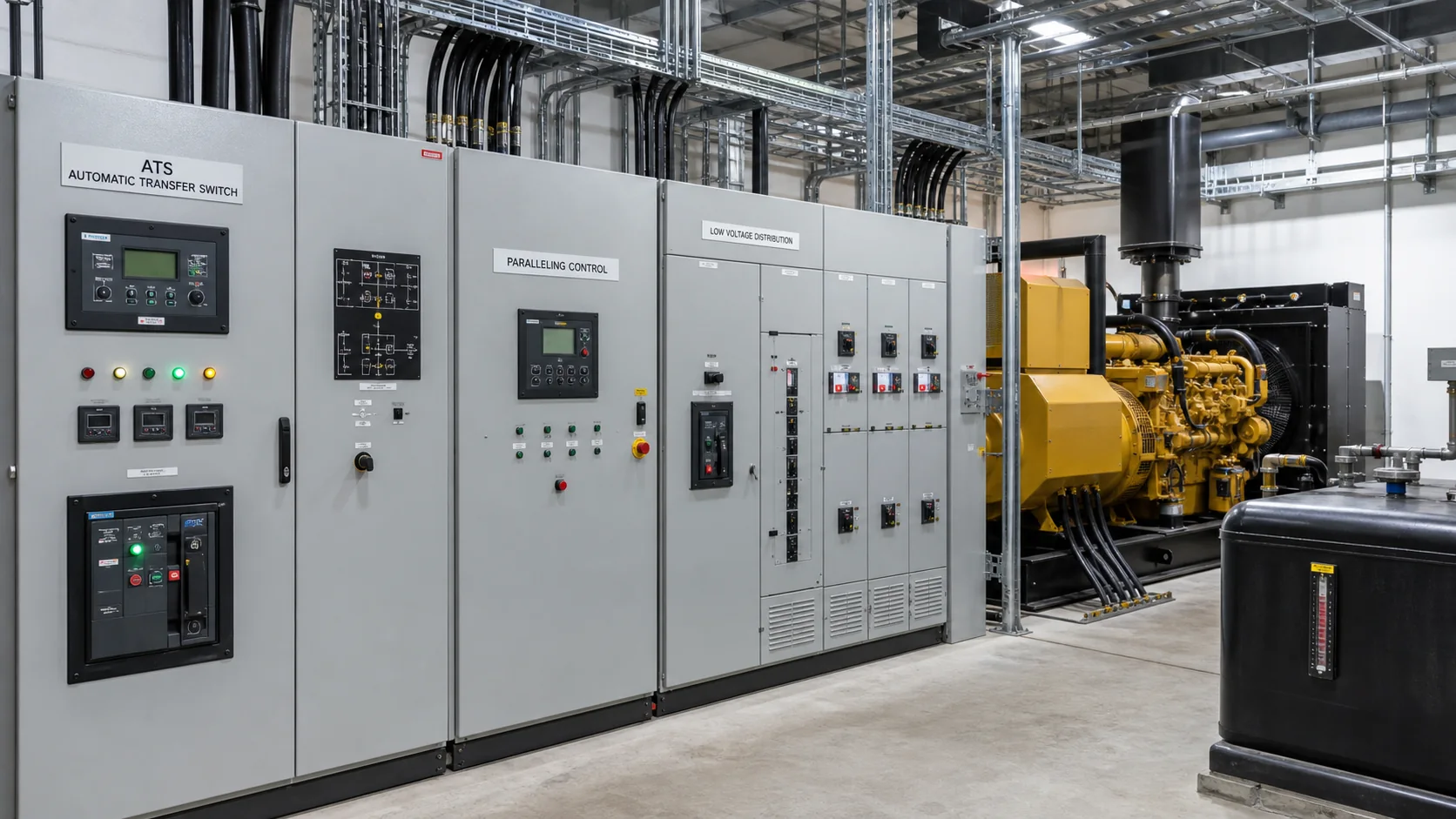
Backup power system components
Beyond the generator set, a complete system may require ATS, paralleling, low-voltage distribution, fuel autonomy, remote monitoring and a spare-parts plan.
Explore System ComponentsThe product center compares typical configurations, power ranges, component options and the site conditions that affect selection.
View the Complete Product CenterApplications
Power systems for mining operations and critical facilities
Mining operations, hospitals, shopping centers, factories, hotels, schools, data centers and livestock facilities have different load priorities, transfer sequences, fuel-autonomy targets and inspection routines. HOHANK configures each system around the site conditions and the loads that must keep running.
01
Mine-specific power systems for continuous production
High dust, high altitude, remote access, crushing and screening, dewatering, camp loads and fuel logistics are covered by the dedicated HOHANK mining site.
Explore Mining Power Systems 02Life-support loads require stable transfer and traceable maintenance
Covering ICUs, operating rooms, laboratories, imaging, pharmaceutical cold chains and information systems, with emphasis on ATS, load priorities, inspection records and spare-parts planning.
Explore Hospital Backup Power 03Business continuity must account for tenants, fire systems and customer flow
A dependable long-term system must account for POS networks, fire and security systems, elevators, refrigeration, parking, noise, fuel autonomy and after-sales response.
View Shopping-Center Solution 04One outage can disrupt an entire production line
For production lines, compressors, PLCs, cold storage, pumps and safety loads, the review focuses on starting current, staged loading, parallel expansion and outage losses.
View Factory Solution 05Guest rooms, kitchens, elevators and water systems need quiet, stable backup
Air conditioning, elevators, kitchens, security, water systems and front-desk operations are reviewed together with noise, tank autonomy, transfer logic and service coverage.
Explore Hotel Backup Power 06A pre-term review is better than emergency repairs during an outage
IT rooms, laboratories, dormitories, dining facilities, lighting and security systems require clear inspection checklists, operator training and common spare parts.
View Education Solution 07Beyond the UPS, the generator backup chain must also work
The UPS, ATS or STS, low-voltage distribution, cooling and fuel autonomy must be reviewed as one chain to confirm real operating continuity.
View Data-Center Solution 08Ventilation, water, aeration and temperature control become critical before lighting
For livestock housing, aquaculture, cold chains and wastewater systems, the review covers motor starting, staged loading, fuel autonomy, remote monitoring and inspections before high-risk seasons.
Explore Backup Power for Livestock OperationsEach application page details critical loads, transfer priorities, fuel autonomy, inspection routines and service requirements.
View All Application SolutionsProject support across Latin America
Country-specific support for mining and commercial power projects
Grid conditions, site environments, service coverage and maintenance capability vary across Latin America. Each country page connects these local factors with the mine or facility type, critical loads, ATS and paralleling, fuel autonomy, remote monitoring and after-sales support.

Backup power projects in Ecuador
For hospitals, shopping centers, factories, hotels, schools and data centers, HOHANK engineers focus on grid variation, critical loads, ATS transfer, fuel autonomy and inspection support.
Get Project Guidance for Ecuador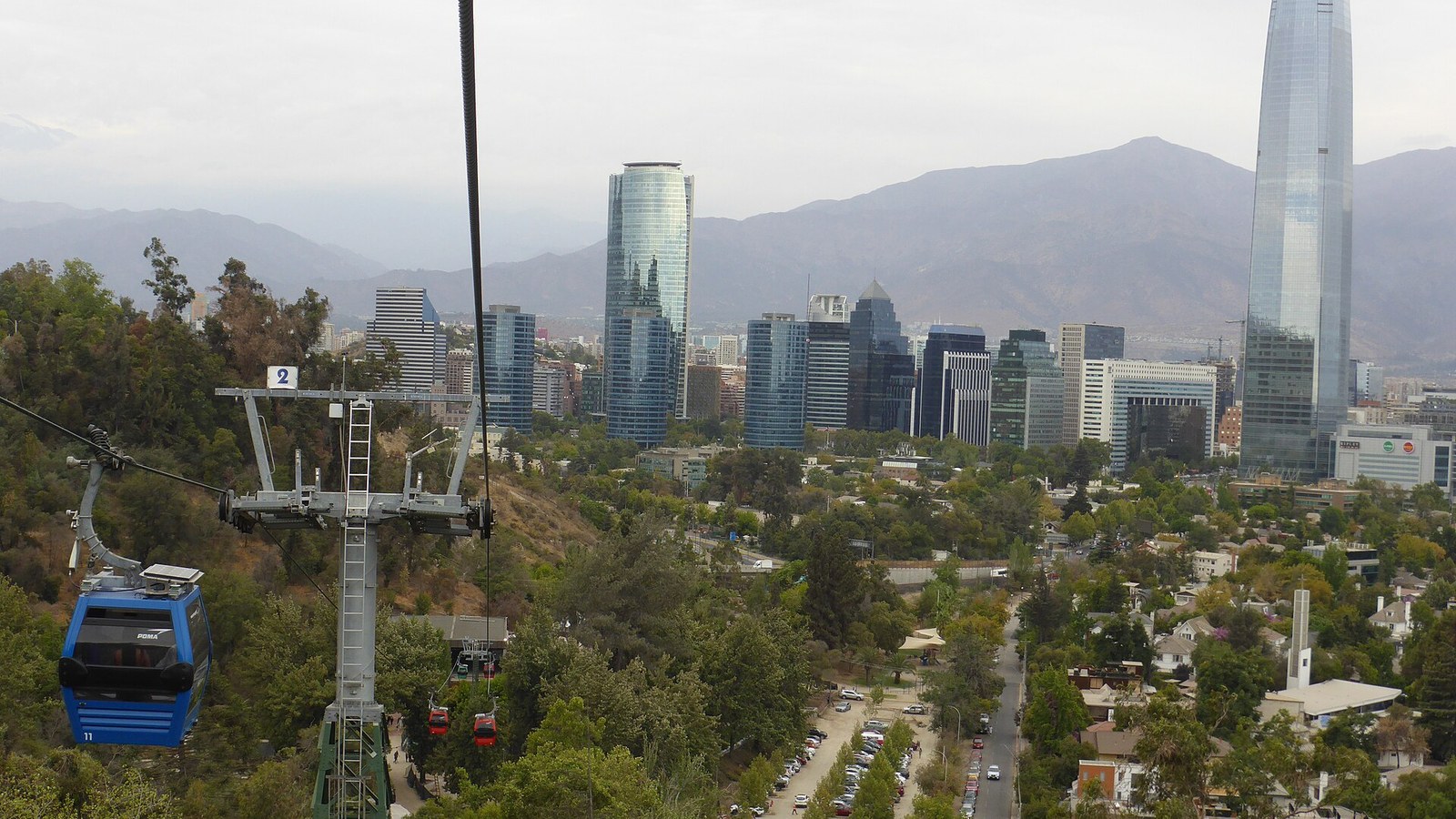
Commercial and industrial generators in Chile
For industrial facilities, commercial complexes, hospitals and data centers, with emphasis on main-equipment reliability, parallel redundancy, low-voltage distribution and maintenance records.
Get Project Guidance for Chile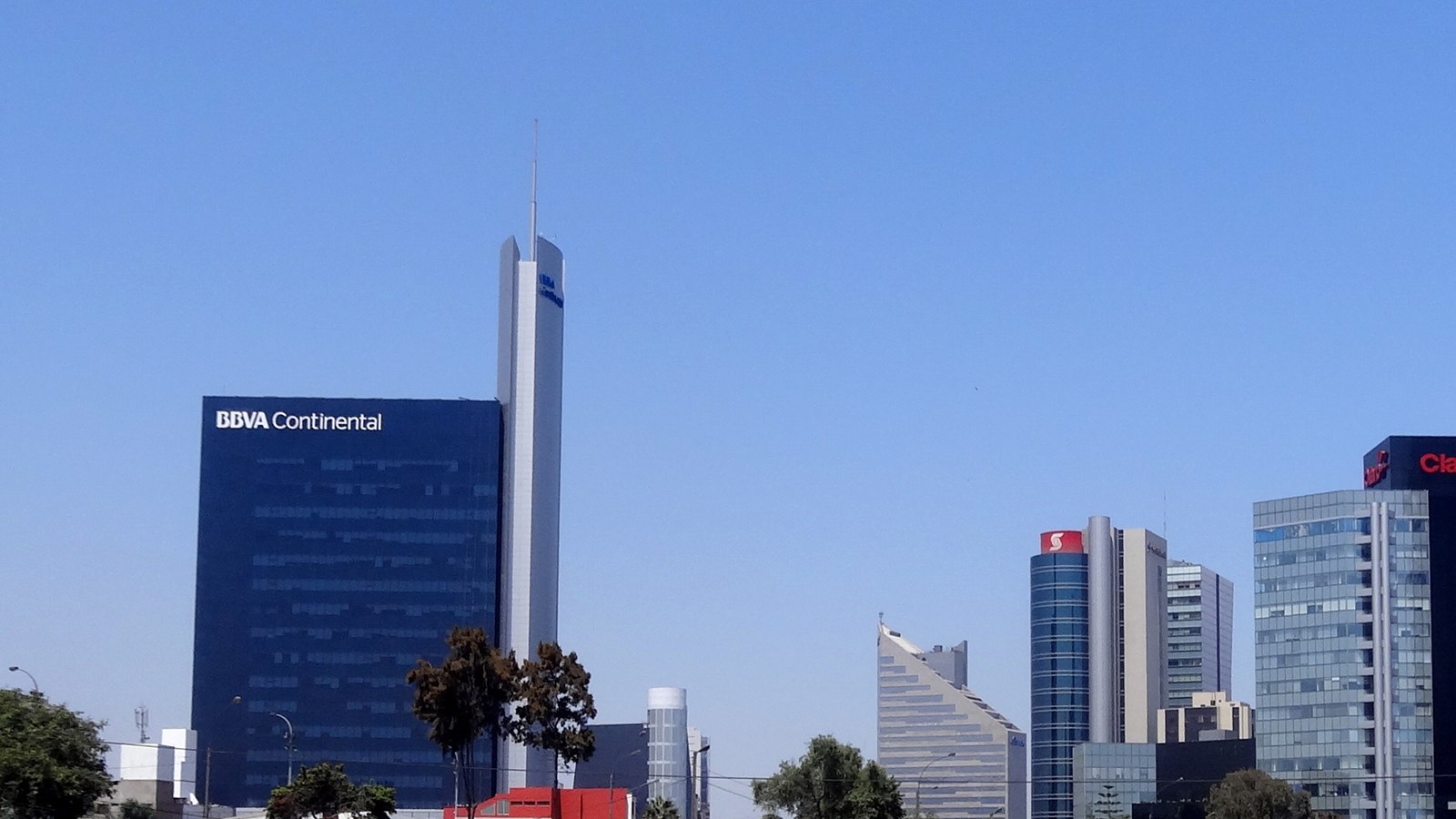
Commercial and industrial backup power in Peru
Diesel generators, ATS, fuel systems, remote monitoring and spare-parts support are configured around the facility type, expected power, installation location and target operating hours.
Get Project Guidance for Peru
Backup power for critical facilities in Argentina
For hospitals, commercial properties, factories and campuses, HOHANK engineers define generator selection, transfer architecture, low-noise configuration, inspection records and an after-sales support path.
Get Project Guidance for Argentina
Commercial generator projects in Colombia
For the continuity needs of hospitals, shopping centers, hotels, schools, factories and data centers, HOHANK engineers review the generator, ATS, fuel, remote monitoring and spare-parts plan.
Get Project Guidance for Colombia
Backup power projects in Venezuela
For hospitals, shopping centers, hotels, schools, factories and data centers, HOHANK engineers focus on generator reliability, fuel autonomy, low-noise installation and maintenance support.
Get Project Guidance for VenezuelaOnce the project country is known, review the priorities that shape local delivery and support.
Get Guidance for Your Project CountryQuality
Quality should be verifiable, item by item
Customers should not need to become generator experts. HOHANK engineers translate six areas that affect service life, stability and maintainability into technical points that can be checked directly.
01Structural strength
Steel thickness and structural reinforcement
Do not stop at asking whether the steel is “thicker.” Enclosure panels, load-bearing base members, formed reinforcement and lifting points should be documented in the technical confirmation.
- Check
- Panel thickness, base beams, formed reinforcement, lifting points and high-vibration areas
- Why it matters
- Reduces the risk of transport deformation, long-term vibration and door-panel resonance
02Corrosion protection
Weld quality and surface protection
A good-looking surface does not prove reliable workmanship. Weld treatment, corner details and the complete protective coating still need to be checked.
- Check
- Weld continuity, slag removal and grinding, primer and topcoat, and edge protection
- Why it matters
- Helps prevent weld cracking, spreading corrosion and shortened outdoor service life
03Hardware details
Locks, hinges and seals
Locks, hinges and sealing strips may be small, but they directly affect weather protection, acoustic performance, maintenance access and long-term usability.
- Check
- Hardware material, opening strength, door gaps, seals and maintenance-door dimensions
- Why it matters
- Helps avoid loose doors, water ingress, sound leakage and difficult maintenance
04Core power
Engine and alternator serial numbers
The brand name is only the first step. Model, serial number, power rating and original manufacturer documentation determine whether the equipment is traceable.
- Check
- Brand and model, nameplate serial number, standby rating, manufacturer documentation and warranty terms
- Why it matters
- Confirms the supplied configuration and preserves a basis for spare parts, warranty and future maintenance
05Electrical safety
Protection, control and wiring
Dependable power depends not only on the generator set, but also on the controller, circuit protection, terminal wiring and clear wire identification.
- Check
- Controller, circuit breaker, cable sizing and terminals, wire labels, grounding and protection settings
- Why it matters
- Reduces nuisance operation, overheated connections and difficult troubleshooting
06Testing and handover
Factory testing and handover records
Reliability should not depend on verbal promises. Test data, photos or video, and handover documents should provide evidence that can be reviewed.
- Check
- No-load and load tests, voltage and frequency, alarm protection, transfer tests and handover records
- Why it matters
- Provides a traceable record for receiving inspection, site commissioning and after-sales responsibility
Put all six standards into the project’s technical confirmationAn engineer can turn the required power, installation environment and delivery requirements into an RFQ and acceptance checklist.
Operations and maintenance support
Plan remote monitoring, local inspections and after-sales response from the start
Purchasing the equipment is only the first step. Long-term reliability depends on commissioning records, alarm assessment, spare-parts readiness, local service scope and project-specific after-sales response.
ReviewCritical loads, starting current, voltage and frequency, ATS and site conditions
MonitorReview status, alarms, operating hours, ATS and maintenance milestones remotely
InspectCheck batteries, fuel, cooling, distribution, grounding and records locally
RespondCoordinate remote engineering with local service and define coverage for each project
To understand how ongoing inspections and after-sales support will be delivered, review remote monitoring and installation support first.
Review Remote MonitoringReview Installation and After-Sales SupportReview before configuration
Clarify critical loads and site conditions before discussing the configuration
After customers understand HOHANK and the product range, the next step is engineering review. Early in the project, clarify the mine or facility type, critical loads, transfer method, installation conditions and maintenance capability. This keeps later decisions about capacity, ATS and paralleling, distribution, fuel and after-sales scope aligned.
Configuration center
Open-type, sound-attenuated and containerized sets; ATS; paralleling; low-voltage distribution; fuel systems; remote-monitoring interfaces; and spare-parts packages.
Review Product ConfigurationsTechnical blog
Understand commonly overlooked issues in routine maintenance, ATS and distribution, batteries, fuel ventilation, alarm records and local service support.
Explore the Technical BlogEngineering Support
Share the country and city, application, critical loads, installation environment and current issue so an engineer can define the configuration scope.
Get Configuration GuidanceIf you already have a project, send the country, application, critical loads and installation environment to an engineer in one step.
Get Engineering Support NowExplore Energy Storage IntegrationCase reviews
Not equipment showcases—reviews of production continuity and facility outage risk
Each case begins with the actual site problem: Did the generator actually take over, was the UPS bridge time sufficient? Were critical loads prioritized? Are the ATS and low-voltage distribution records traceable? The home page highlights several entry points; the full case library provides the complete reviews.
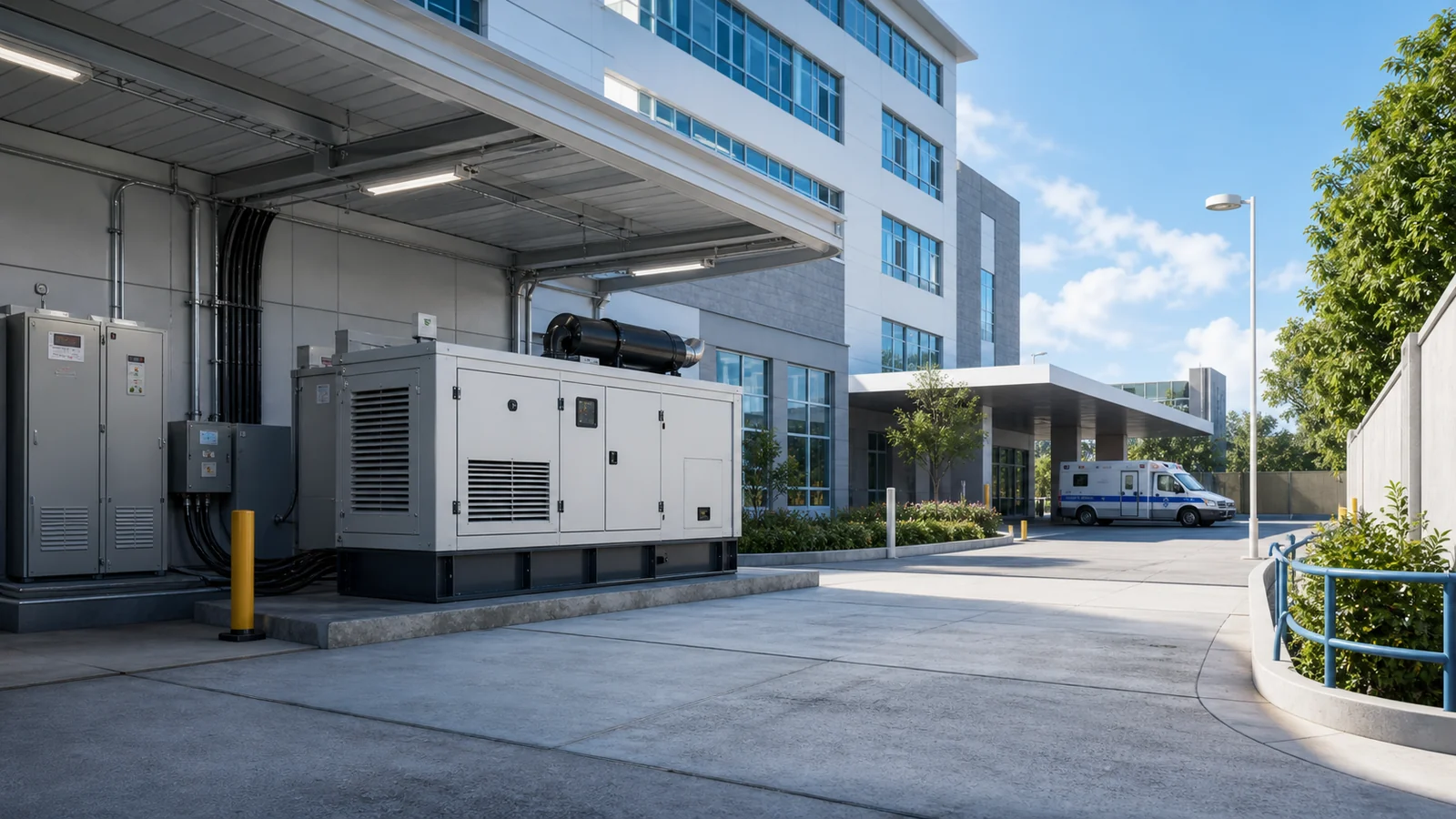
How to verify transfer order for operating rooms, ICUs and cold chains
Starting with issues revealed during an outage drill, the review covers critical-load priorities, the UPS bridge window, ATS transfer and inspection records.
View the Hospital Case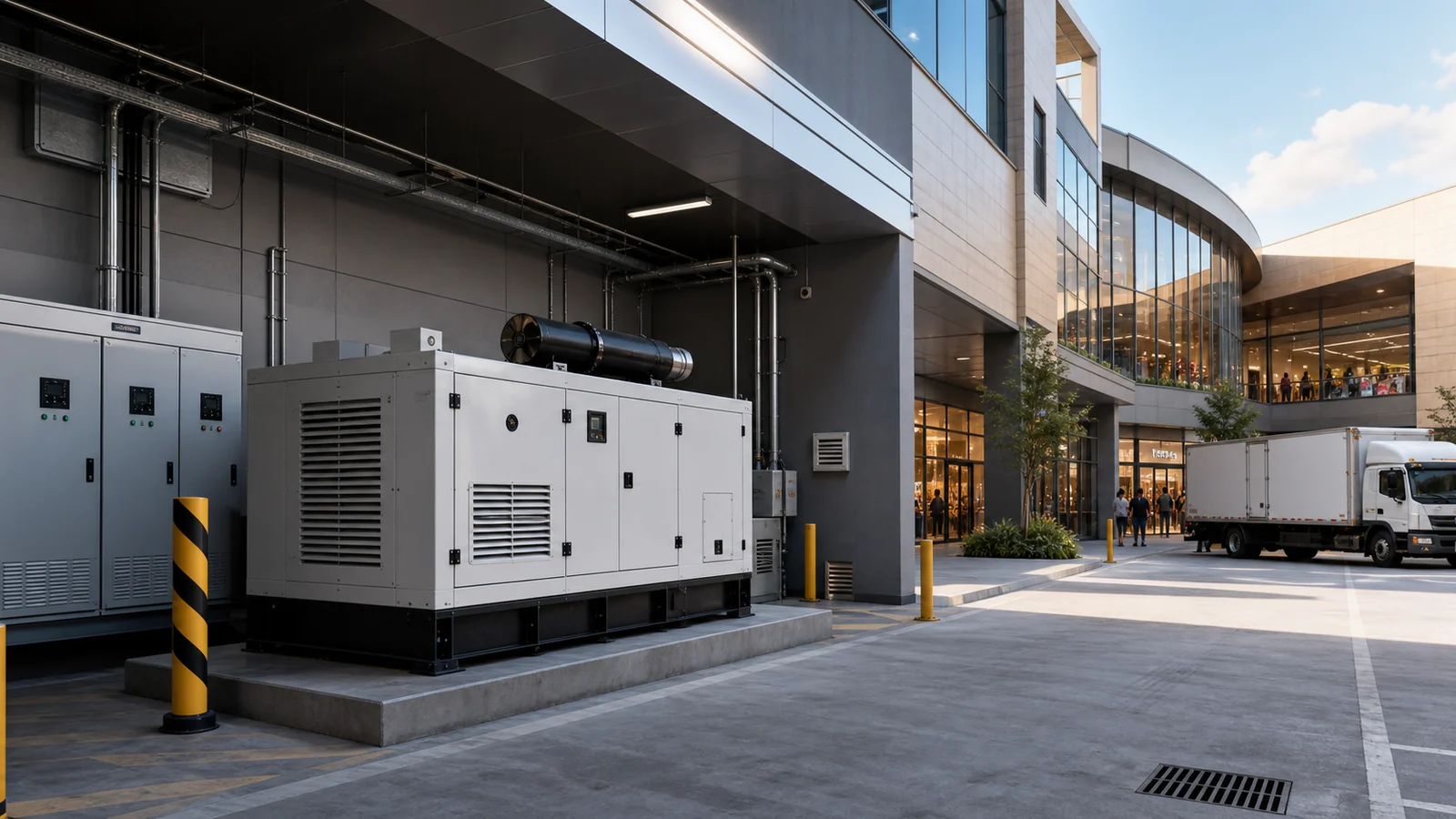
Before peak trading hours, tenant and building loads need a defined transfer priority
Review the recovery sequence for fire and security systems, POS networks, cold chains, parking and elevators during an outage.
View the Shopping-Center Case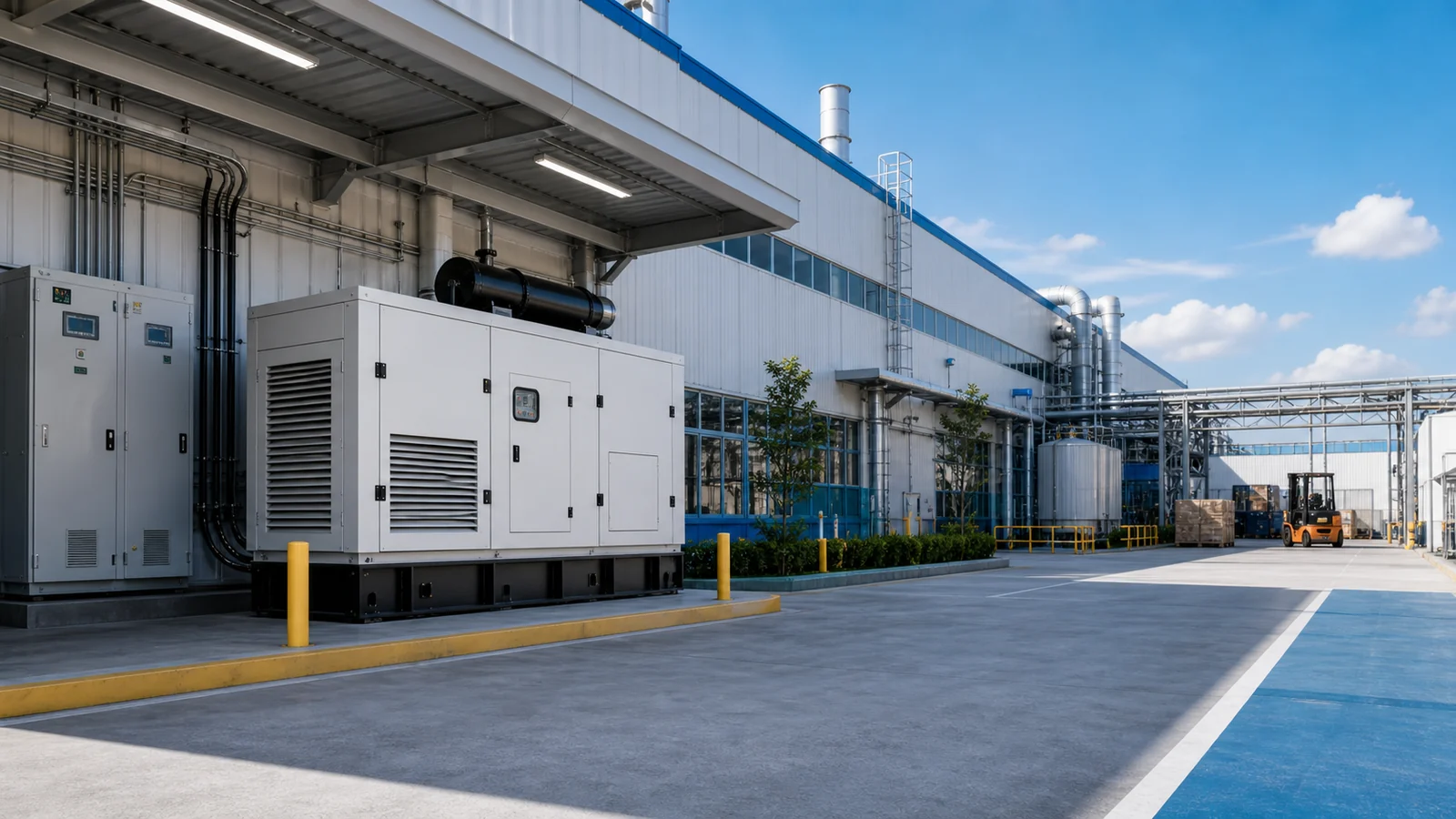
After a production-line expansion, starting current and restart sequence must be verified together
PLCs, air compressors, cold storage, pumps and safety loads are assessed in the actual production-recovery sequence.
View the Factory Case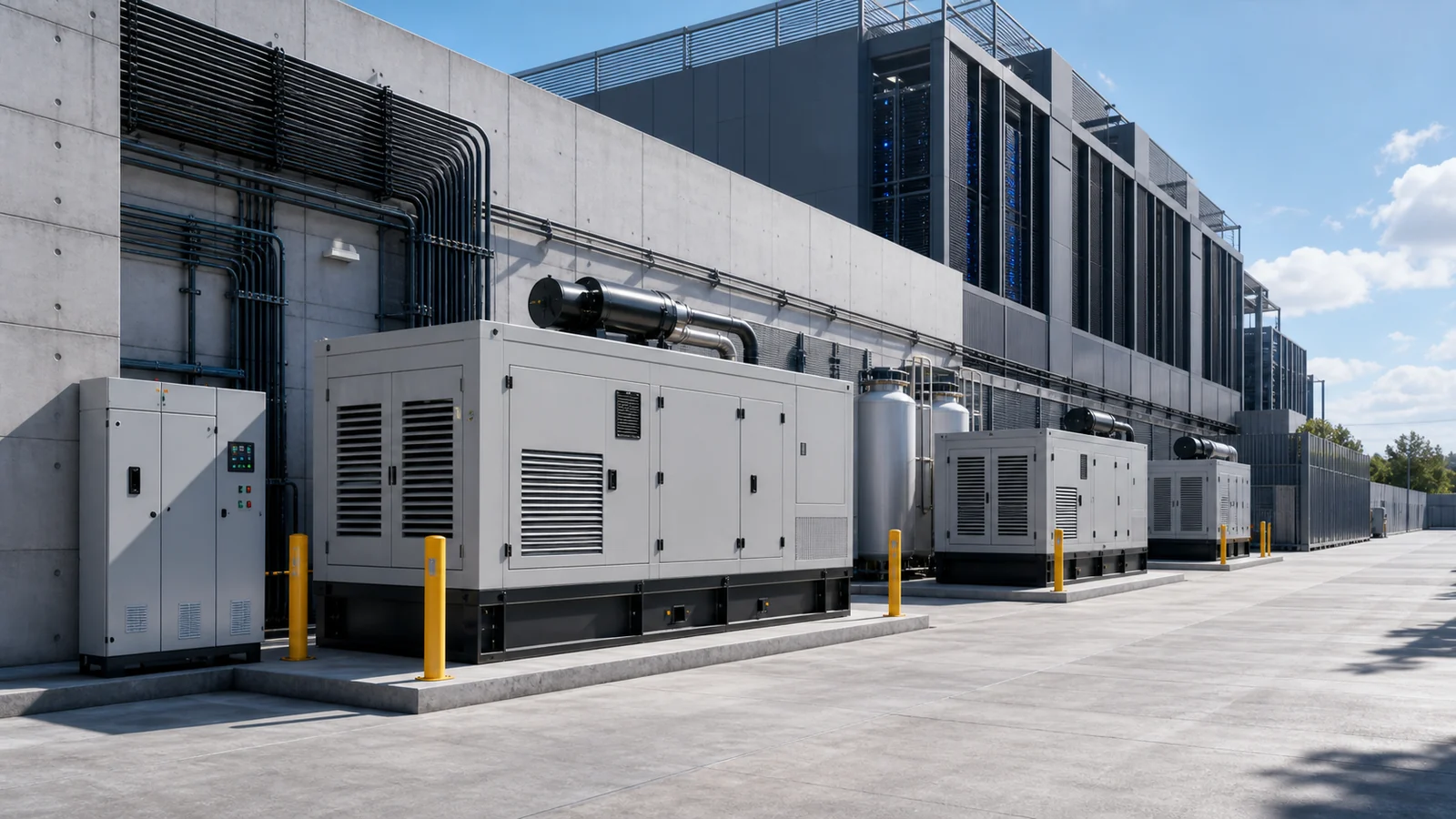
After the UPS, the generator, ATS and cooling chain must connect without gaps
Review the UPS-to-generator transfer window, low-voltage distribution, cooling system and fuel-autonomy conditions.
View the Data-Center CaseExplore more application and maintenance scenarios in the complete case library.
View All Case ReviewsGet Mining or Commercial Power-System Configuration Guidance
Share the country and city, application, required power or critical loads, installation environment and current issue to receive professional guidance on product selection, system scope and implementation conditions.