Near hotels, hospitals, schools, shopping centers or offices
The project needs lower equipment noise at an outdoor plant area, parking facility, site boundary or building-service zone.
Product Range / Low-Noise Outdoor Power
A weather-protected package that brings the generator set, acoustic airflow paths, exhaust routing, controls and service access into one outdoor power unit. It suits sites close to occupied areas or projects that want to reduce on-site enclosure work, provided rating, noise, cooling, exhaust and maintenance requirements are confirmed together.
Why Choose a Sound-Attenuated Set
The enclosure does more than hide the engine. It must balance acoustics, cooling, weather protection, service access and transport as one engineered assembly. Site conditions determine whether it is the right format.
The project needs lower equipment noise at an outdoor plant area, parking facility, site boundary or building-service zone.
Weather protection, acoustic airflow paths, service doors and the control panel are integrated for easier delivery, installation and long-term management.
Values measured at different distances, against different background noise and under different day/night limits cannot be compared directly. The acceptance boundary must be documented.
An enclosure that is too tight can restrict cooling and maintenance. High ambient temperature, altitude and confined sites require a project-specific review.
Complete Configuration Range
The same rating may use different enclosure and acoustic designs. Load, noise target, ambient temperature, available space, fuel autonomy and service strategy determine the final configuration.
For small commercial services, telecom and independent equipment loads where footprint, transport and straightforward maintenance matter.
For common commercial and critical-facility standby duty, balancing acoustics, weather protection, cooling, fuel and service space.
For heavy rain, dust, salt spray or corrosive exposure, with enclosure material, coating, airflow and sealing confirmed for the project.
For large commercial facilities, factories and data-center support systems where airflow, exhaust, lifting and service routes require more space.
Ratings can be paired with different engine platforms and enclosure structures. The deliverable rating, enclosure size and option set are confirmed against the engine platform, 50Hz/60Hz, voltage, ambient temperature, acoustic target and site acceptance conditions.
Ratings and Engine Platforms
As capacity rises, acoustic airflow paths, silencers, transport dimensions and service clearances must grow with it. Engine selection should also reflect project standards, local fuel, service coverage and parts support.
Design and Customer Value
Noise reduction must not compromise cooling. Weather sealing must not block service access. A compact enclosure must not remove safety clearances. These areas determine whether the set remains stable, quiet and maintainable in real use.
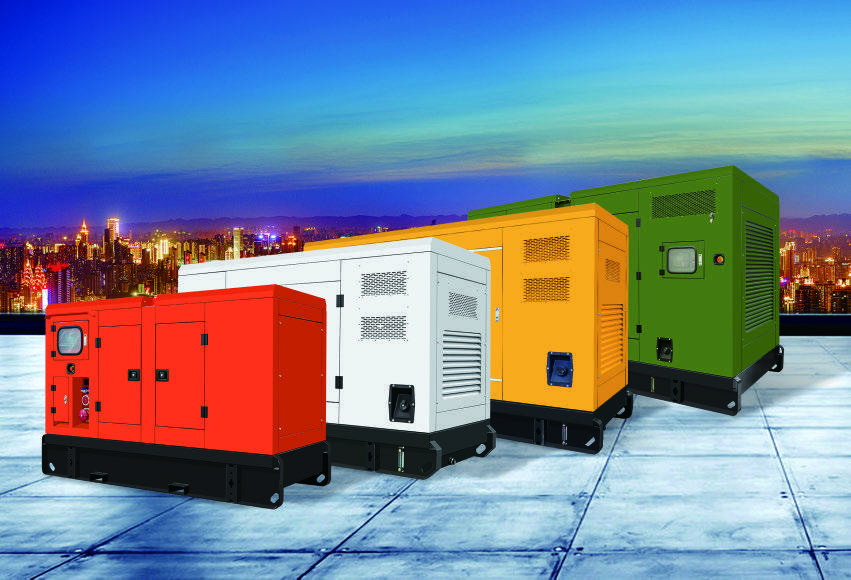
Air volume, system resistance and hot-air recirculation affect sustained output in high ambient temperatures.
Air-intake attenuation, discharge attenuation, exhaust direction and backpressure must be checked together.
Two-sided access, locks, hinges and seals influence service time, vibration noise and long-term weather protection.
Material thickness, reinforcement, welding and coatings determine transport resistance and outdoor durability.
Fuel volume, level indication, fill point, lifting eyes and towing points should match runtime and handling requirements.
The controller, protection logic, emergency stop and alarm history must support safe operation, acceptance and troubleshooting.
Six Selection Inputs
List critical loads, the maximum simultaneous load, motor-starting methods and future expansion to establish the appropriate rating.
Confirm project voltage, phases, power factor, ATS or paralleling needs and the low-voltage distribution interface.
State the measurement distance, sensitive receiver locations, background noise and day/night acceptance criteria.
High ambient temperature, altitude, confined sites and hot-air recirculation affect both available output and enclosure size.
Match enclosure structure, coating, sealing and airflow protection to the actual level of outdoor exposure.
Coordinate operating hours, refueling access, base or external tanks, spare parts and remote monitoring.
Choosing the Product Format
| Comparison | Open Generator Set | Sound-Attenuated Set | Containerized Set |
|---|---|---|---|
| Best fit | A compliant plant room where ventilation, exhaust, acoustics and fire safety are delivered by the site. | An outdoor site close to occupied areas where noise and weather protection must be integrated. | A high-capacity outdoor system that needs more transport, service and system-integration space. |
| Primary value | Visible structure, direct service access and flexible system integration. | Reduces separate enclosure work by combining acoustics, protection and maintenance access. | Provides a larger enclosure, dedicated service routes and greater system-integration capacity. |
| Confirm first | Plant-room airflow, exhaust backpressure, vibration isolation and safety separation. | Measurement distance, hot-air recirculation, door sealing, corrosion protection and service clearance. | Transport and lifting, enclosure cooling, fuel autonomy, distribution, paralleling and maintenance windows. |
| Typical projects | Factory plant rooms, hospital energy centers and data-center equipment areas. | Hotels, schools, shopping centers, hospital campuses and outdoor areas near occupied buildings. | Large commercial facilities, factories, data centers and systems above 1MW. |
Typical Project Tasks
For hotels, schools, hospital campuses and shopping-center service areas, confirm sensitive receivers, measurement distance, exhaust direction and service hours.
For factories, data centers and commercial campuses, review ambient temperature, hot-air recirculation, service doors and cable and fuel interfaces.
For retrofit, expansion and temporary-transition projects, confirm foundations, lifting, fuel, ATS and remote-management interfaces in advance.
Typical configurations · Not the complete range
The range is not limited to the models below. These examples show common outputs, brand combinations and package choices; refer to the series overview for full coverage and available options.
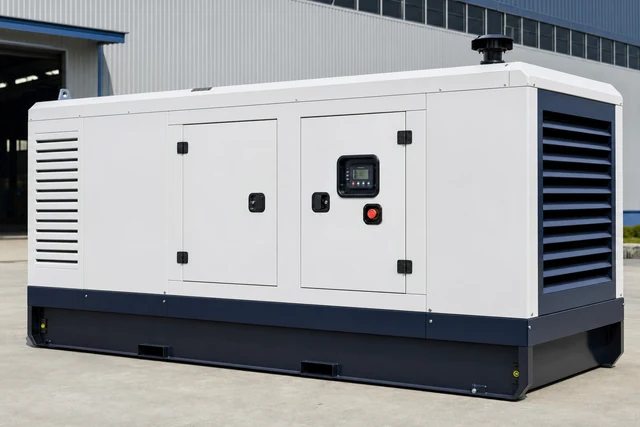
A typical 50 kW Yuchai package balancing compact placement, lower disturbance and routine service access.
View this configuration →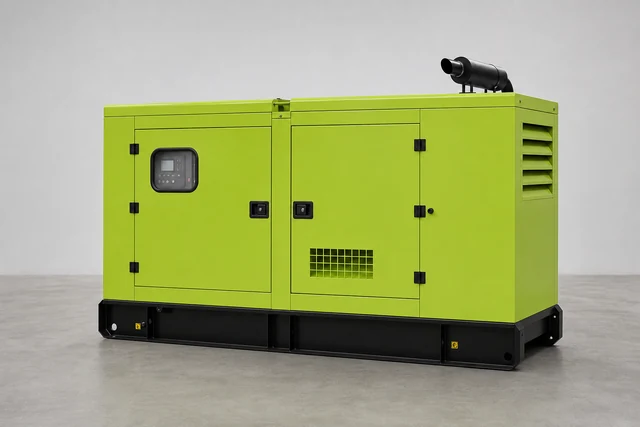
A typical 200 kW Cummins package for projects needing noise control, weather protection and complete system interfaces.
View this configuration →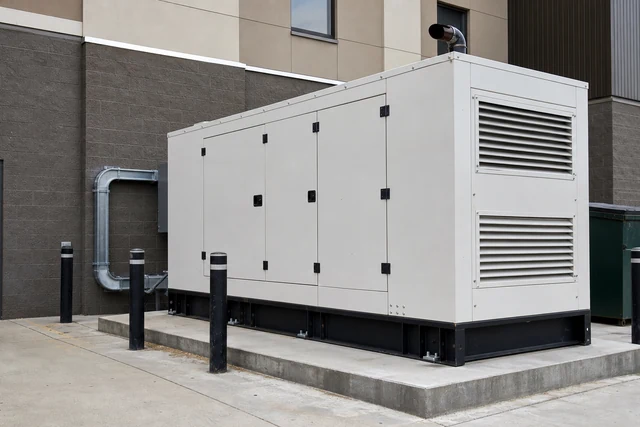
A typical 800 kW Weichai package coordinating high-output acoustics, heat balance, logistics and system interfaces.
View this configuration →Share the country and city, critical loads, required rating or existing set, installation location, acoustic requirement, operating hours and fuel conditions. HOHANK engineers will define the product range and implementation boundary.