Why the UPS Ride-Through Window Comes First When Campus IT and Networks Lose Power
Review continuity across servers, core switching, access control, surveillance, teaching systems and IT-room cooling.
Read TopicSchool Standby Power
Backup power for schools and university campuses must cover IT rooms, laboratories, dormitories, dining, lighting and security, with controlled budgets, pre-term inspections, clear operator training and actionable maintenance records.
Core Risk
Campus engineering teams often manage utilities, dormitories, security and logistics, while the generator is not used every day. The solution must turn budget limits, inspection sheets, operator training, spare-parts kits and pre-term checks into a transferable process.
Outage Scenarios
Campus Engineering Topics
Each topic connects site issues, load priorities, configuration criteria and inspection handover so facilities, IT, laboratory and procurement teams can define critical loads, budget limits and responsibilities.
Review continuity across servers, core switching, access control, surveillance, teaching systems and IT-room cooling.
Read TopicReview instruments, fume hoods, sample refrigeration, safety systems and delayed loading.
Read TopicReview dormitory lighting, access control, networks, hot water, pumps, noise and inspection intervals.
Read TopicReview dining cold rooms, critical kitchen equipment, water pumps, fuel runtime and pre-peak checks.
Read TopicAssess emergency lighting, surveillance, public address, access control, fire systems and distribution labeling.
Read TopicReview procurement cycles, facilities staff, operator training, spare-parts kits, remote collaboration and annual maintenance.
Read TopicCritical-load priorities
Fire protection, security, emergency lighting, public address, access control, IT rooms, core networks and essential water pumps.
Critical laboratory equipment, essential dormitory lighting, dining cold rooms, critical kitchen equipment and selected teaching-building circuits.
General offices, noncritical classrooms, comfort cooling, sports facilities and decorative lighting, subject to budget and capacity.
System Configuration Guidance
Estimate capacity by building, campus and critical-load zone to avoid losing budget control by backing up the entire campus at full load.
Provide automatic transfer, manual bypass, test steps and exception-reporting procedures that non-specialist teams can follow.
Label IT, laboratory, dormitory, dining, security and general loads to reduce operating errors.
Review generator barriers, exhaust, noise, grounding, service access and areas accessible to students.
View controller status, alarms, operating hours and maintenance milestones remotely to reduce diagnostic pressure on site staff.
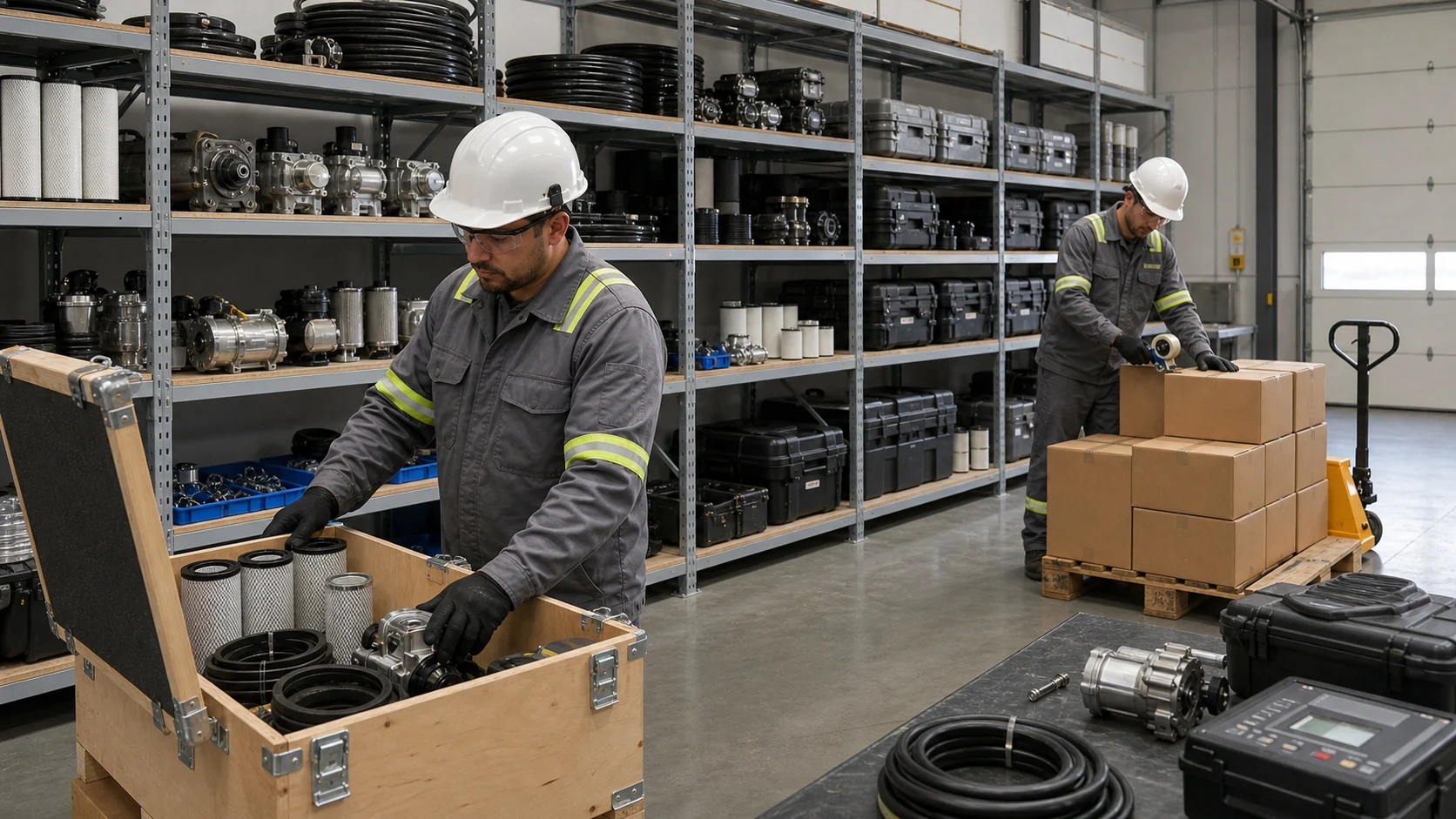
Provide operator training, inspection sheets, fault-report templates and common spare-parts kits to support staff handover.
Inspection and After-Sales Service
Include pre-term checks, monthly test runs, operator training, spare-parts kits and remote-alarm information in the annual facilities plan.
Related Configurations and Cases
The school page gives facilities teams access to products, cases and service guidance so they can define budget range, operating complexity, spare parts and inspection responsibility.
Review the generator and low-noise requirements first, then ATS, spare-parts service and remote monitoring so non-specialist teams can sustain inspections.
Diesel Generator SetsSound-Attenuated Diesel Generator SetsATS Automatic Transfer SystemGenerator Spare-Parts Kits and Maintenance SupportGenerator Remote MonitoringNew-campus cases show quiet, reliable and maintainable design; pre-term cases show dormitories, dining, laboratories, IT rooms and facilities handover.
New Campus Diesel Generator CasePre-Term Campus Backup-Power CaseCampus projects should define remote alarms, on-site inspection, operator training, spare-parts kits and procurement in advance to prevent maintenance gaps during staff handover.
Generator Remote Monitoring and Smart InspectionInstallation, After-Sales and Maintenance SupportAsk an Engineer to Review Your Campus ProjectCountry Engineering Paths
Campus loads, local grid conditions, weather, fuel access and maintenance coverage affect the practical configuration. Review the country page that matches the school or university location.
Share the country and city, application, required rating or critical loads, installation environment and current issue to receive professional recommendations on product selection, system scope and implementation conditions.