Data-Center Standby Power

A UPS Only Buys Time; the Generator Must Take Over Reliably Within That Window

Data center backup power requires an end-to-end review of UPS, batteries, ATS/STS, generators, low-voltage distribution, cooling and fuel. Availability, test records, redundancy and long-term monitoring are central.

UPS Ride-Through WindowATS / STSN+1 ParallelingLong-Term Monitoring

Core Risk

Data Centers Must Validate the Entire Backup Chain, Not Just Generator Capacity

The UPS gives generators time to start and take over. Actual reliability depends on start success, transfer logic, parallel redundancy, cooling loads, fuel runtime, single-line diagrams and periodic test records.
  • Confirm UPS ride-through, generator start time, ATS/STS transfer logic and load takeover sequence.
  • Review IT and cooling loads together so racks are not protected without cooling.
  • Include load-bank testing, fuel planning, remote monitoring and local maintenance records in availability management.
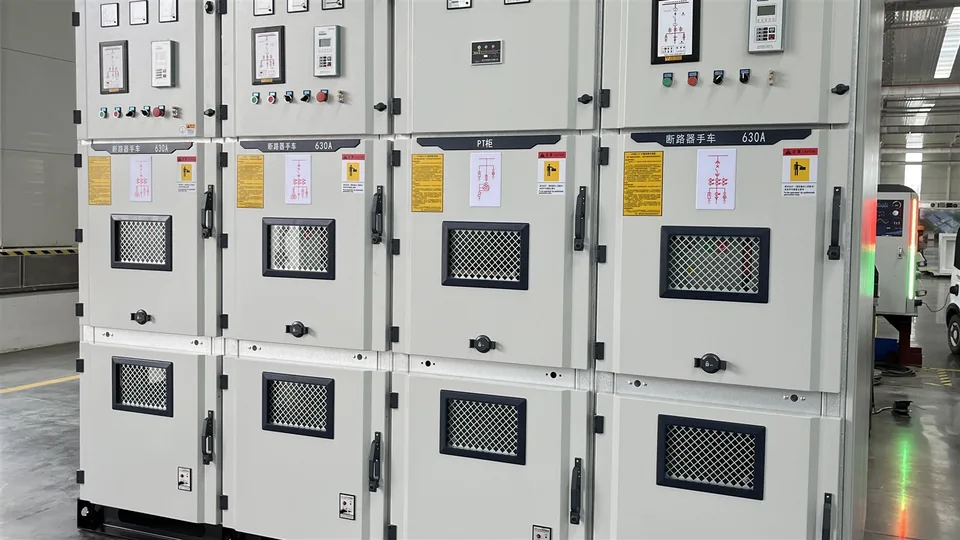
Low-Voltage Distribution Board for Data Center Backup Power

Outage Scenarios

Validate the UPS-to-Generator Takeover Chain Section by Section

UPS Ride-Through Window

Site Scenario
After utility loss, UPS batteries provide short-term power while generators start and stabilize.
Outage Consequence
A slow generator start or failed ATS transfer interrupts IT loads once UPS energy is exhausted.
Configuration Priority
Start time, transfer time, UPS ride-through, load restoration sequence and periodic testing.
Information Required
IT load in kW, UPS capacity, battery runtime and allowable takeover window.
View Scenario Details

ATS/STS and Low-Voltage Distribution

Site Scenario
Dual feeds, ATS/STS, PDUs, switchboards and critical circuits form the transfer chain.
Outage Consequence
A single point of failure, unclear circuit labels or inadequate testing can drop individual racks.
Configuration Priority
Single-line diagram, breaker selection, circuit redundancy, transfer testing and maintenance bypass.
Information Required
Distribution single-line diagram, ATS/STS specifications, PDU and rack count, and circuit schedule.
View Scenario Details

Continuous Cooling Operation

Site Scenario
Precision cooling, chilled-water pumps, fans, and temperature and humidity controls must be protected with IT loads.
Outage Consequence
If IT remains powered but cooling stops, temperature rise can cause derating or shutdown.
Configuration Priority
Cooling-load priority, starting demand, delayed loading and temperature monitoring.
Information Required
Cooling-system type, equipment ratings, starting methods and temperature-control requirements.
View Scenario Details

Fuel Runtime and Refueling

Site Scenario
During extended outages, generators must carry load continuously and be refueled safely.
Outage Consequence
Insufficient tank capacity, fuel-level alarms or refueling access limits actual runtime.
Configuration Priority
Day tanks, bulk tanks, level monitoring, refueling routes, spill risk and operating hours.
Information Required
Target runtime, tank space, refueling conditions and site safety requirements.
View Scenario Details

Parallel Redundancy and Expansion

Site Scenario
Multiple generators operate in parallel for phased builds, increasing rack density or N+1 redundancy.
Outage Consequence
Insufficient single-unit capacity, poor load sharing or inadequate expansion allowance affects availability.
Configuration Priority
N+1, synchronization, load sharing, automatic start/stop, expansion allowance and test procedures.
Information Required
Existing generators, target redundancy, phased capacity and expansion plan.
View Scenario Details

Test Records and Long-Term Monitoring

Site Scenario
Management, customers and auditors require traceable maintenance, test and fault records.
Outage Consequence
Missing records lengthen troubleshooting and weaken SLA and audit credibility.
Configuration Priority
Remote monitoring, load testing, ATS/STS testing, alarm logs and maintenance reports.
Information Required
Monitoring-point requirements, reporting frequency, audit requirements and existing maintenance records.
View Scenario Details

Data Center Engineering Topics

Examine the Backup Chain in Detail: UPS, Transfer, Cooling, Fuel and Monitoring

Each topic follows site issues, review priorities, configuration logic and evidence so operations, infrastructure and procurement teams align on availability, test records and expansion limits.

01 / UPS Window

Why the UPS-to-Generator Takeover Window Must Be Reviewed Second by Second

Assess UPS batteries, generator starting, ATS transfer, load recovery sequence and test records.

Read Topic

02 / ATS STS

How ATS/STS and Low-Voltage Distribution Prevent Individual Rack Outages

Review the single-line diagram, PDUs, circuit redundancy, breaker selection, maintenance bypass and transfer tests.

Read Topic

03 / Cooling Coordination

IT Loads Are Only Protected When Cooling Also Continues

Review precision cooling, chilled-water pumps, fans, starting demand, delayed loading and temperature monitoring.

Read Topic

04 / Fuel Runtime

Review Fuel Runtime and Refueling Against Real Extended-Outage Operation

Cover day tanks, bulk tanks, fuel alarms, refueling routes, spill risk and operating hours.

Read Topic

05 / Parallel Redundancy

Parallel Redundancy and Expansion Require Testable N+1 and Load Sharing

Review synchronization, automatic start/stop, phased expansion, maintenance windows and target redundancy.

Read Topic

06 / Testing and Monitoring

Test Records and Long-Term Monitoring Form the Evidence Chain for the Data Center SLA

Review load tests, transfer tests, remote alarms, maintenance reports, audit requirements and history.

Read Topic

Critical-load priorities

Protect IT Loads, Cooling and Control Paths Together

Immediate Protection

IT and Transfer Chain

UPS, ATS/STS, PDUs, core networks, critical racks, controls, fire and security systems, and emergency lighting.

Zonal Recovery

Cooling and Auxiliary Systems

Precision cooling, chilled-water pumps, fans, BMS/monitoring, fuel pumps and essential room auxiliaries.

Delayed Recovery

Schedulable Loads

Offices, noncritical lighting, selected comfort cooling, noncore auxiliaries and schedulable maintenance loads.

System Configuration Guidance

Data Center Configuration Must Be Measured by Availability and Test Traceability

Generator Set

Review Combined IT and Cooling Load

Confirm standby or prime duty, transient response, operating hours, altitude and temperature derating, noise and exhaust conditions.

Paralleling Redundancy

N+1 and Phased Expansion

Support multi-generator synchronization, load sharing, automatic start/stop and maintenance windows to reduce single-unit failure impact.

ATS/STS

Transfer Logic Must Be Testable

Define transfer procedures, time windows and test records across utility, UPS, generators and bypass.

Low-Voltage Distribution

Clear Circuits and Redundancy Paths

Review breakers, cables, grounding, PDUs, rack feeders and the distribution single-line diagram.

Fuel System

Actual Runtime Must Be Verifiable

Provide tanks, fuel-level monitoring, refueling access, spill protection and extended-run inspections.

Long-Term Monitoring

Support the SLA with Data

Record alarms, operating hours, load factor, voltage, frequency, ATS status and maintenance milestones remotely.

Related Configurations and Cases

Data Center Backup Power Must Connect High-Capacity Systems, Redundancy Paths and Test Records

The page links UPS ride-through, parallel redundancy, ATS/STS, fuel runtime and monitoring to products and cases, creating auditable configuration evidence.

Country Engineering Paths

Compare Data and Communications Power Conditions by Country

Utility quality, cooling demand, fuel autonomy, site access and response planning vary by country. Use the local engineering review before defining redundancy and runtime.

Facility Information

  • Country, city, facility type, rack count and target redundancy level.
  • IT load in kW/kVA, cooling system and phased expansion plan.
  • Data for existing generators, UPS, ATS/STS and switchboards.

Power-Chain Information

  • UPS ride-through, allowable takeover window and distribution single-line diagram.
  • ATS/STS, PDUs, cooling loads, fuel runtime and refueling path.
  • Load-test, transfer-test and audit-record requirements.

Maintenance Information

  • Inspection frequency, monitoring points, report frequency and alarm history.
  • Whether remote monitoring, local inspection and a spare-parts kit are required.
  • After-sales response city, site-entry process and SLA requirements.

Get Data Center Backup-Power Configuration Advice

Share the country and city, application, required rating or critical loads, installation environment and current issue to receive professional recommendations on product selection, system scope and implementation conditions.

Get Engineering Support