Critical loads cannot be interrupted
ICUs, operating rooms, fire systems, elevators, cold-chain equipment, communications and UPS-backed loads must retain or quickly recover power during an outage.
Diesel Generators + Commercial and Industrial Battery Storage
Diesel generators provide long-duration standby power and broad critical-load coverage. Battery energy storage handles short peaks, UPS/ATS transition windows, starting demand, low-load periods and peak shaving. For hospitals, shopping centers, factories, hotels, educational facilities, data centers and campuses, an engineer first evaluates the load curve, transfer logic and operating hours.
Suitable commercial facilities
Review critical loads, peaks, tariff structure, low-load operation and expansion plans before deciding whether battery storage adds value.
ICUs, operating rooms, fire systems, elevators, cold-chain equipment, communications and UPS-backed loads must retain or quickly recover power during an outage.
Chillers, HVAC, pumps, elevators, compressors and production equipment create brief peaks. The PCS can supply short-duration power and reduce unnecessary generator oversizing.
Shopping centers, campuses, hotels, factories and cold-chain facilities can assess peak shaving against tariffs, demand charges and operating schedules.
Extended low-load operation is inefficient and increases maintenance pressure. Battery storage can carry part of those periods and improve generator scheduling.
For hotel renovations, commercial expansion, new production lines, EV charging or cooling loads, assess whether a BESS can defer local distribution upgrades.
Key functions
Capacity and control strategy should follow the load curve, peak duration, outage losses, tariffs, existing generator capacity and the distribution chain.
Peaks and starting demand do not always require a larger generator. The PCS can discharge for short periods and reduce oversizing risk.
The BESS can support the transition between UPS, ATS and critical loads while the utility fails, the generator starts and loads transfer.
At night or under partial load, the BESS can carry part of the base load and reduce inefficient low-load operation and unnecessary starts of a large generator.
Review SOC, SOH, charge and discharge power, temperature, alarms, fire-system status and communications together with generator, ATS and distribution data.
Industry application
Battery storage should not be treated as an isolated cabinet. It belongs in the facility backup architecture, with defined supported loads, charging and discharging windows, and alarm ownership.
Review UPS ride-through, generator start time, ATS records, cold-chain temperature and clinical load priorities.
Review POS, fire protection, security, elevators, parking, refrigeration and seasonal peaks so an outage does not become a broader operating disruption.
Review starting demand, peaks, recovery sequence and downtime losses to determine whether the BESS should shave peaks or support critical processes.
Review nighttime low load, noise limits, essential guest-room loads, kitchen refrigeration, water supply and heating recovery.
Prioritize simple operation, pre-term testing, nighttime residence loads and emergency lighting.
Review the UPS-to-generator transition, cooling recovery, low-voltage distribution, N+1 redundancy and periodic test records.
System integration
The key is to group loads and define transfer windows, PCS power, BMS/EMS data and the distribution strategy. Supported loads, charge and discharge windows, and alarm response must be designed together.
Provides long-duration standby power across a broad set of critical loads.
Handles short peaks, UPS/ATS transitions, low-load periods and peak shaving; size it from the load curve.
Coordinates utility, generator, BESS and critical loads to reduce risk during transfers.
Separate medical, fire, elevator, cold-chain, production, cooling and general loads to define BESS scope.
Review generator load and runtime, BMS/EMS, SOC, SOH, alarms and distribution status in one data set.
Configuration process
A larger BESS is not automatically better, and not every standby-power project needs one. An engineering review converts the site problem into inputs that can be verified.
Analyze critical and deferrable loads, starting demand, operating hours and existing generator capacity.
Record peak duration, low-load periods, outage frequency, tariff structure and demand charges.
Confirm the recovery sequence for ATS, UPS, low voltage, fire protection, security, cold chain and cooling.
Prepare an initial concept around 64–120 kWh, 215/241 kWh or 241/261 kWh product ranges.
Confirm BMS/EMS communications, alarm records, fire-system status, spare parts and maintenance responsibilities.
BESS products
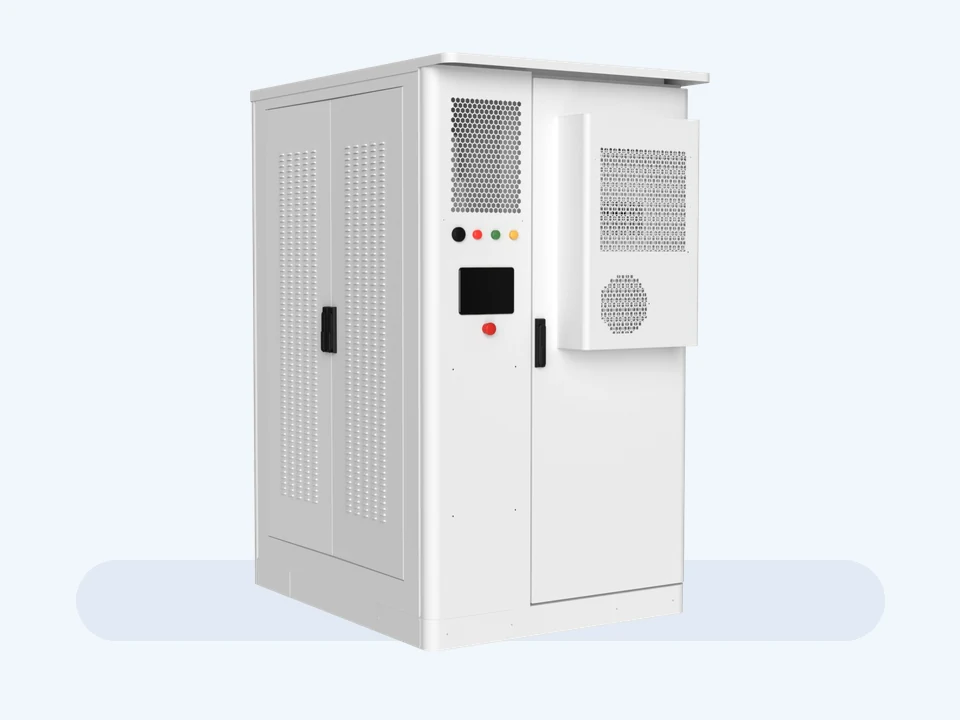
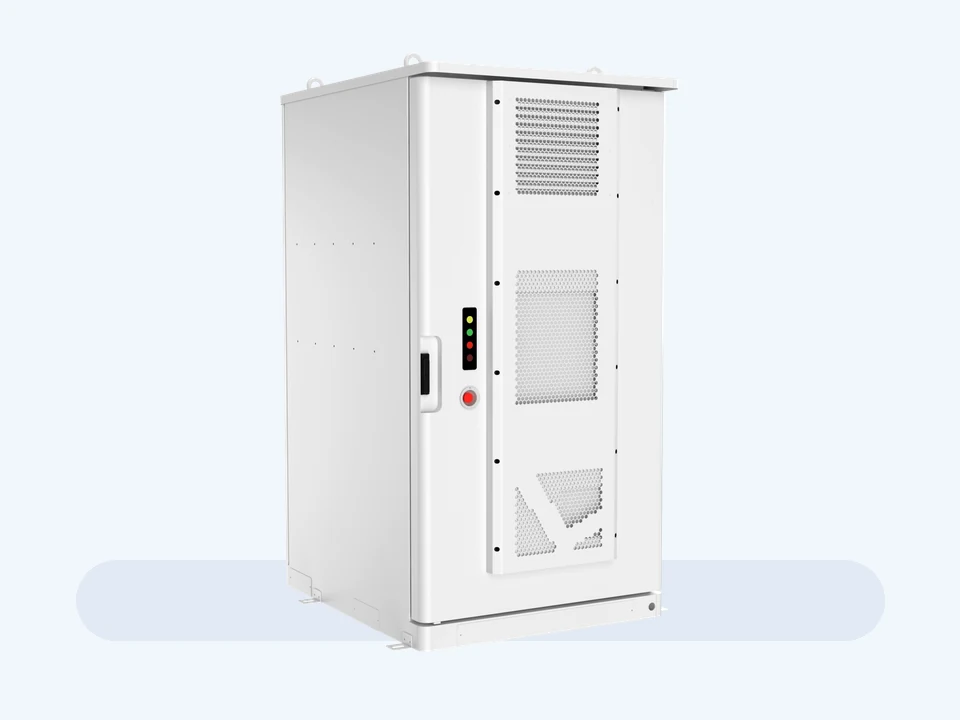
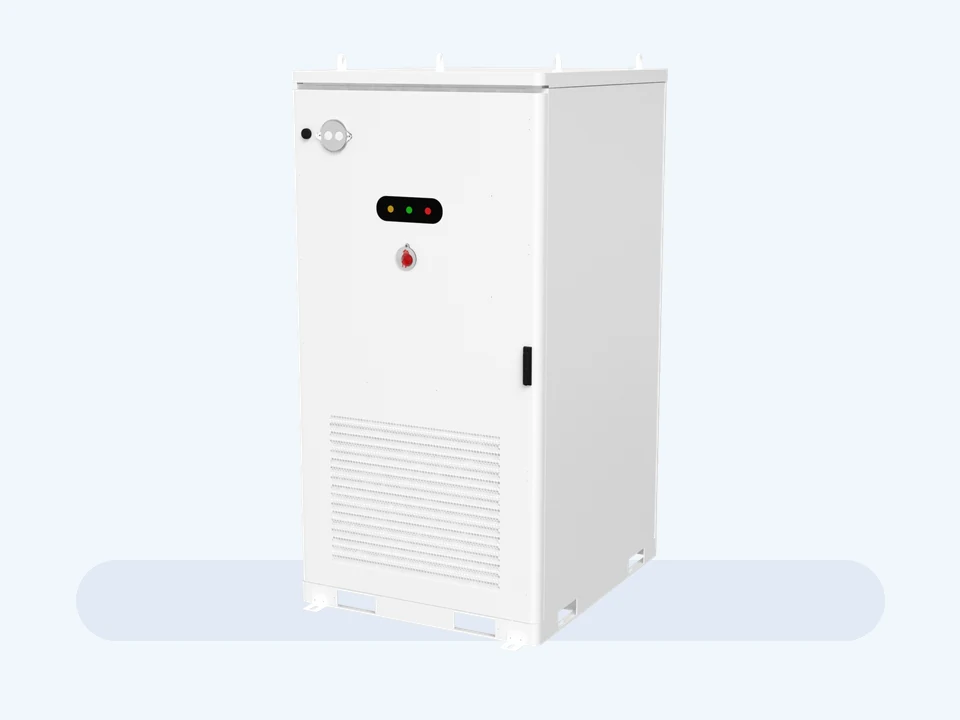
Commercial facilities can evaluate 64/80/100/112/120 kWh and 215/241 kWh air-cooled high-voltage cabinets or 241/261 kWh liquid-cooled cabinets. Selection depends on the load curve, UPS/ATS logic, tariffs, demand charges and operating hours.
Engineering Support
Share the load curve, existing generator capacity and UPS/ATS arrangement. An engineer will assess whether storage adds value and define a suitable range.
An engineer will review your information and contact you.
 WhatsApp:+86 176 8575 2779