Backup Power for Livestock and Aquaculture

Protect Livestock and Aquaculture Operations with a Complete Backup-Power System

Backup-power systems for commercial livestock, poultry and aquaculture operations, covering ventilation and cooling, heating, watering and feeding, aeration and circulation, cold chain, biosecurity, wastewater, remote monitoring and seasonal inspection.

Ventilation and Climate ControlWatering and FeedingAquaculture AerationHigh-Risk Season Inspection

Core Risk

For Livestock Operations, Backup Power Buys the Ability to Restore Animal Conditions and Production Continuity

One outage can affect barn air quality, water, feed lines, aeration, cold chain, wastewater and site monitoring at the same time. Sizing cannot rely on total running power alone; allowable downtime, starting demand, recovery order and remote-site maintenance conditions must come first.

  • Set critical-load priorities according to season, stocking density and product risk.
  • Review starting methods for fans, pumps, aerators, compressors and other motor loads.
  • Plan fuel runtime, refueling access, remote alarms, spare parts and local service from the outset.
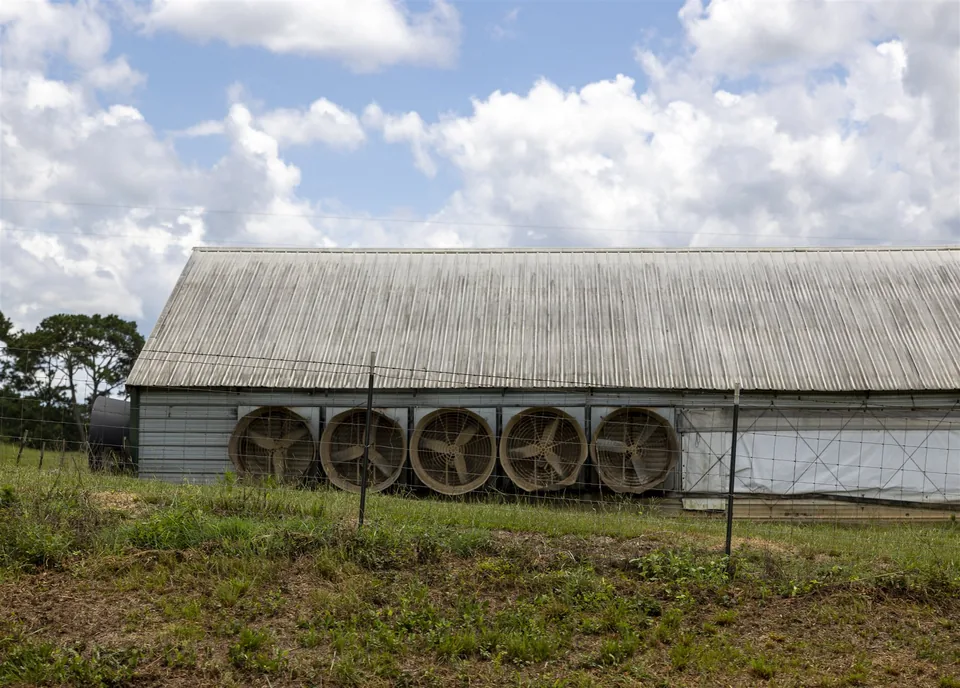
Large Ventilation Fans at a Commercial Livestock Farm

Outage Scenarios

Break Down Outage Risk by the Farm’s Actual Production Systems

Each operating risk has different load characteristics and site-data requirements; total power alone is not enough. Select a card to open the detailed application page.

Ventilation, Cooling and Heating

Site Scenario
When fans, evaporative pads, circulation pumps, heating and environmental controls stop, barn temperature, humidity and air quality can leave safe limits quickly. Backup power must be reviewed for season, stocking density and motor starting demand.
Outage Consequence
Stopped fans, pad pumps or heaters can quickly raise temperature, humidity and harmful-gas levels.
Configuration Priority
Record starting methods for fans, pumps and heaters, then set priority-based staged loading and delays.
Information Required
Barn count, stocking density, target temperature and humidity, and seasonal extremes
View Scenario Details

Watering, Feeding and Automatic Control

Site Scenario
Water pumps, feed lines, feeding motors, control panels, sensors and networks must recover together. Looking only at motor power misses control supplies, pneumatic equipment and sequential-start requirements.
Outage Consequence
Stopped pump stations, pressure boosting and water treatment affect drinking water, cleaning and disinfection.
Configuration Priority
Confirm motor starting methods and simultaneous operating quantities, then set zoned recovery and locked-rotor protection.
Information Required
Pump head, flow, pressure and water-treatment equipment data
View Scenario Details

Hatchery, Brooding and Breeding

Site Scenario
Incubators, hatchers, brooding areas, breeding controls and environmental monitoring require stable power. Review transfer time, voltage and frequency, control data and fuel runtime together.
Outage Consequence
When incubation or brooding conditions are interrupted, batch risk rises quickly.
Configuration Priority
Confirm the UPS, ATS and generator takeover window, and verify control-program, alarm and communications restart logic.
Information Required
Incubator, brooding-area and breeding-equipment list
View Scenario Details

Aquaculture Aeration, Water Circulation and Pumping

Site Scenario
Aerators, pumps, recirculation, filtration, water-quality monitoring and alarms must be backed up by pond or tank zone. Capacity must also account for simultaneous motor starting and severe weather.
Outage Consequence
In high-density aquaculture, loss of aeration rapidly increases survival risk.
Configuration Priority
Confirm aerator and pump starting methods, then set zoned supply, rotation and load priorities.
Information Required
Pond and tank count, stocking density and target dissolved oxygen
View Scenario Details

Cold Chain, Egg and Milk Storage, and Primary Processing

Site Scenario
Cold rooms, milk-cooling tanks, egg storage, feed stores and primary-processing equipment require temperature control and production continuity. The backup system must record temperature, starting demand and actual runtime.
Outage Consequence
Loss of continuous temperature records increases quality-assessment and traceability pressure.
Configuration Priority
Confirm compressor starting and defrost control, then stage loads according to cold-chain priority.
Information Required
Cold-room, milk-tank, egg-storage and primary-processing equipment data
View Scenario Details

Biosecurity, Wastewater and Monitoring

Site Scenario
Access control, disinfection, wastewater treatment, surveillance, alarms and communications may be small loads, but they directly support site security, environmental compliance and fault response.
Outage Consequence
Without records for access, disinfection, personnel and vehicles, the farm’s biosecurity boundary is difficult to maintain.
Configuration Priority
Confirm wastewater-pump and aeration-equipment starting methods, and provide backup for monitoring, alarms and communications.
Information Required
Access, disinfection, surveillance, alarm and communications equipment list
View Scenario Details

Livestock and Aquaculture Engineering Topics

Start with Each Production System, Define the Risk, Then Discuss Configuration

Each topic connects site issues, load priorities, configuration evidence, inspection and after-sales support so construction, production and maintenance teams can align.

01 / Ventilation, Cooling and Heating

After a Farm Outage, Ventilation and Climate Control Must Recover Before General Loads

Ventilation and climate control are not comfort loads. During heat, cold snaps and high-density production, allowable interruption is short; controllers, sensors, pumps and fans must be tested as one chain.

Read Topic

02 / Watering, Feeding and Automation

Loss of Watering, Feeding and Control Interrupts Continuous Production at Multiple Points

Failures often appear as pumps running without pressure, energized feed lines with controllers not reset, or simultaneous feed-line starts tripping protection. Control and power circuits belong in the same recovery schedule.

Read Topic

03 / Hatchery, Brooding and Breeding

Hatchery and Brooding Areas Have Less Tolerance for Loss of Climate, Ventilation and Control

Losses in hatchery and brooding stages can be concentrated. Define which equipment must remain uninterrupted, what rides through on UPS, how fast the generator takes over and whether control programs resume correctly.

Read Topic

04 / Aquaculture Aeration, Circulation and Pumping

After an Aquaculture Outage, Aeration and Circulation Risk Escalates by the Minute

Aquaculture projects cannot rely on one common circuit. Ponds, tanks and recirculation systems differ in density, allowable downtime and motor starting; they require zoning, priorities and remote alarms.

Read Topic

05 / Cold Chain, Egg and Milk Storage, and Primary Processing

Evaluate Cold Rooms, Milk Tanks and Egg Storage Together with Fuel Runtime

Cold-chain loads include compressors, fans, controllers and defrost equipment. Priorities must reflect insulation, allowable temperature rise, compressor starting and refueling conditions.

Read Topic

06 / Biosecurity, Wastewater and Monitoring

Biosecurity, Wastewater Compliance and Site Monitoring Must Not Be Displaced by General Loads

Identify disinfection lanes, access control, surveillance, alarms, wastewater pumps and control panels separately so large fans, pumps or refrigeration starts do not remove their supply.

Read Topic
Critical-load priorities

Protect the Animals’ Life-Support Environment First, Then Product and Site Continuity

Immediate Protection

Life-Support Environment and Water Circulation

Main ventilation, climate control, drinking-water pumps, core aeration, circulation, controllers, sensors and alarms.

Staged Recovery

Continuous Production and Cold Chain

Feed lines, feeding, hatchery and brooding, cold rooms, milk cooling, egg storage, wastewater and disinfection.

Delayed Recovery

Auxiliary and Schedulable Loads

General lighting, offices, noncritical processing, cleaning and equipment that can wait within a safe window.

System Configuration Guidance

Beyond the Generator, Include Transfer, Distribution, Fuel, Monitoring and Spare Parts

Diesel Generator Sets

Size for Motor Starting and Seasonal Risk

Fans, pumps, aerators and compressors cannot be sized by adding running power alone.

View Generator Configuration

ATS and Distribution

Stage Recovery by Barn, Pond and System

Zone life-support, continuous production, cold chain and general loads, with delays and bypasses.

View Transfer Systems

Fuel Autonomy

Remote Sites Must Plan Refueling Access Early

Calculate from actual load factor, target hours, tank safety and refueling-vehicle access.

View Fuel System

Remote Monitoring

See Alarms, Fuel Level and Operating Hours Early

Give engineers time to assess maintenance milestones and abnormal trends before high-risk seasons.

View Remote Monitoring

Spare-Parts Plan

Prepare According to Remoteness and Recovery Time

Stock filters, belts, batteries, sensors, controllers and critical electrical parts by priority.

View Spare-Parts Service

Handover Documentation

Establish the Maintenance Loop from Day One

Create templates for transfer, loading, fuel use, alarms, training and fault records.

View After-Sales Support

Related Configurations and Cases

Continue from Livestock Backup Power into Products, Cases and Operations

Connect industry-risk and equipment pages so construction, production and maintenance teams can jointly define generator, ATS, distribution, fuel, monitoring and service scope.

Country Engineering Paths

Compare Agriculture and Aquaculture Power Conditions by Country

Ventilation, pumping, water circulation, cold chain, climate, fuel access and remote-site service conditions depend on the operating location. Continue with the applicable country review.

Farm Information

  • Country, city, and poultry, swine, cattle, aquaculture or mixed operation.
  • Barns, pens, ponds, tanks and stocking scale.
  • Installation environment, climate, dust, humidity and remoteness.

Load Information

  • Fans, pumps, feed lines, aeration, cold rooms and wastewater equipment.
  • Ratings, starting methods, simultaneous operating quantity and allowable downtime.
  • ATS, distribution, controller, sensor and alarm data.

Maintenance Information

  • Target runtime, tanks and refueling conditions.
  • Test-run, alarm, maintenance and fault-history records.
  • Remote inspection, local service, spare-parts and training requirements.

Get Livestock and Aquaculture Backup-Power Configuration Advice

Provide farm type, critical loads, installation environment and target runtime; an engineer will review capacity, transfer, distribution, fuel and maintenance scope.

Get Engineering Support