Project Background
As Buildings Reached Acceptance, Backup Power Still Was Not an Actionable Facilities Plan
Before joint acceptance, dormitories, food service, laboratories and the information center had completed equipment installation. The owner had a list of the generator, ATS, switchboards, UPS and tank, but not one handover sheet defining which loads recover first, which buildings can wait and what facilities staff must do when an alarm appears.
Campuses rarely retain a dedicated electrical crew. During the first term, nighttime outages, meal preparation, laboratory safety and network interruptions fall to facilities, IT, laboratory management and security. Without clear start records, alarm status, fuel checks and test requirements, the generator cannot become a manageable daily safeguard.
Campus backup must stabilize student safety and learning networks first while remaining understandable, inspectable and manageable for facilities.
Challenges and Requirements
Student Life, Laboratory Safety, IT Networks and Generator Maintenance Must Be Planned Together
Campus loads were separated by outage consequence. Dormitories prioritized night lighting, access, security, essential water and communications. Food service required refrigeration, exhaust, water and basic preparation. Laboratories distinguished routine teaching equipment from ventilation, safety cabinets, cold storage and instruments that cannot lose power abruptly. IT review covered UPS ride-through, network backbone, surveillance, public address and campus management systems.
Generator requirements were equally clear. Tests usually occur by day or during breaks, so noise cannot disrupt classes or residence. With limited budget and staff, fuel, spares, operating cards and controller records must be easy to hand over. Near dormitories, kitchens or classrooms, attenuation, ventilation, exhaust, vibration isolation and service access must be confirmed early.
Reliable starting, stable output, low-noise operation, controlled fuel use, controller records and clear service space.
Prioritize dormitories, food service, laboratories, IT, security and public lighting by outage impact.
Make circuit labels, operating cards, test forms, photographs, spare lists and contact procedures actionable.
Generator-Set Solution
Configure the Generator for Stability, Low Noise, Efficiency and Nonspecialist Handover
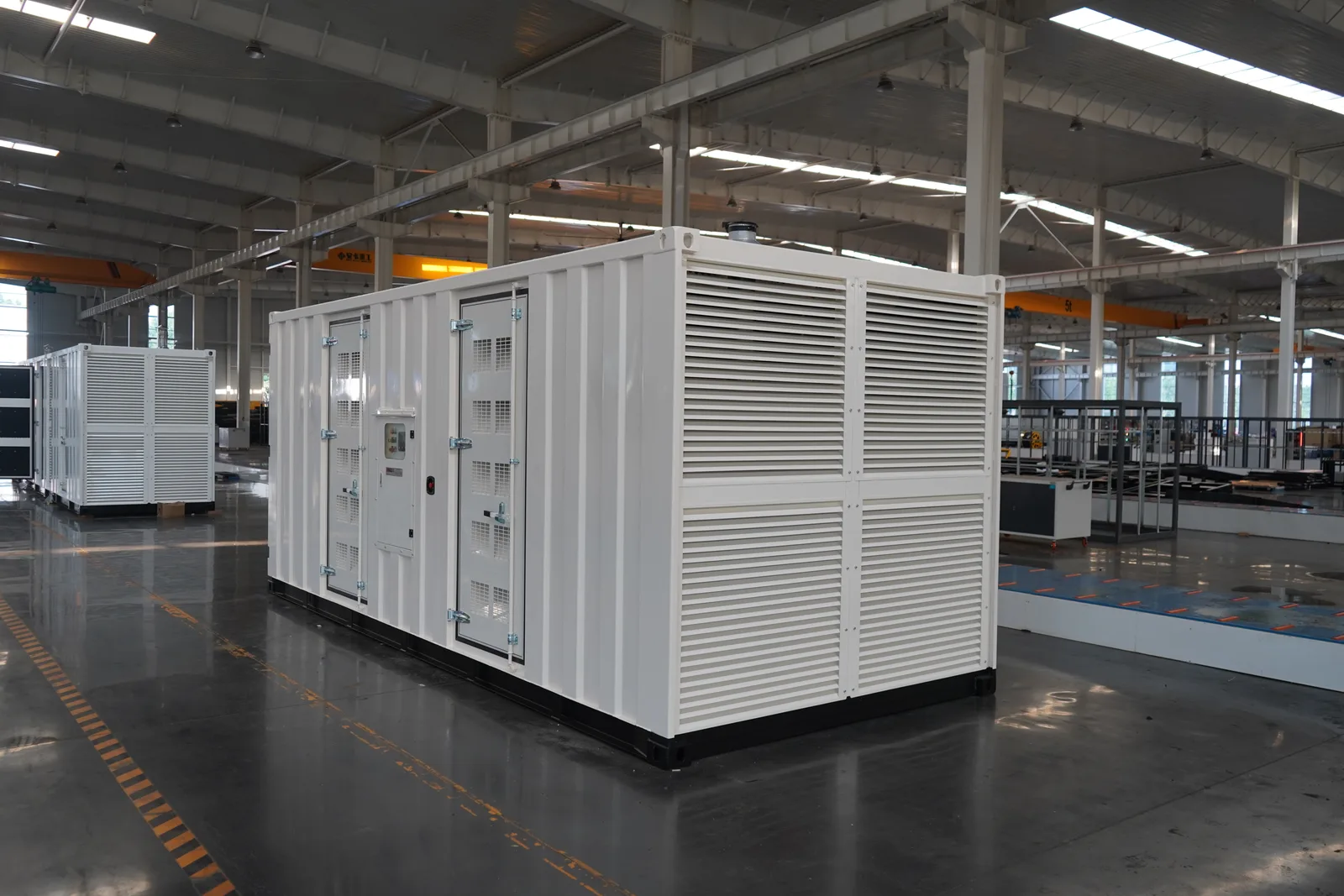
The diesel generator is the core of new-campus backup. The engine must start reliably and maintain speed response as dormitory water, food-service refrigeration, IT and emergency lighting connect. Alternator and AVR behavior must protect UPS, networks, access control, surveillance and laboratory controls. The controller must retain start, run, alarm, shutdown and test data for facilities reporting.
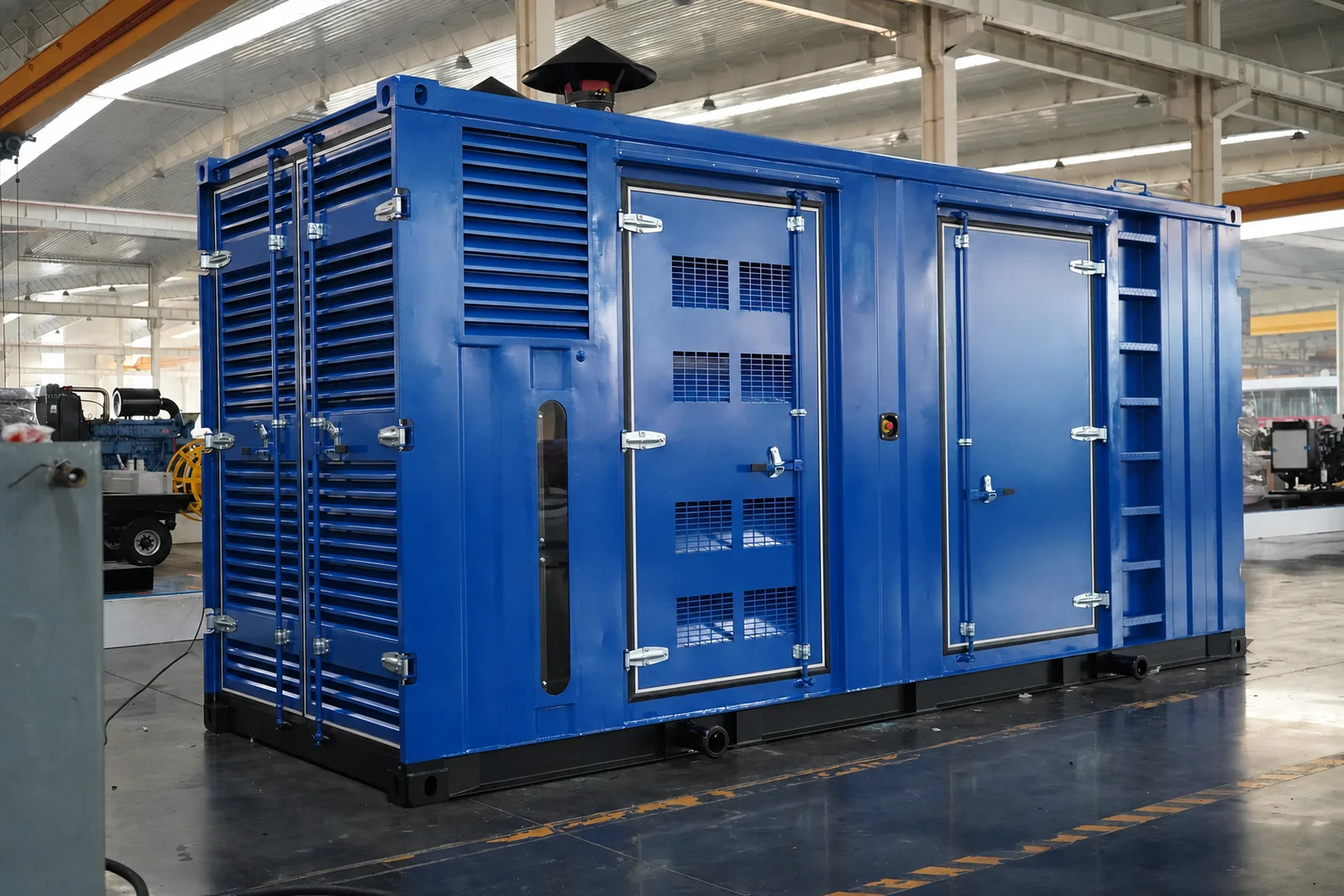
Fuel efficiency and noise were assessed against campus routines. Tests are scheduled but extended loaded operation is rare, so capacity, staged loading and test duty were reviewed together to limit low-load maintenance. Near residences, classrooms or food service, the design confirmed enclosure attenuation, airflow silencers, vibration isolation, exhaust direction and door clearance.
Complete-set quality must support handover. Engine, alternator, controls, cooling, fuel, enclosure, wiring, base and consumable access must be explained through photographs, labels and operating cards. A good campus plan does not hand complex parameters to facilities; it turns generator operation into checkable actions.
- 01Judge reliability across engine, alternator, controller, cooling, fuel, enclosure and wiring.
- 02Assess fuel use against holiday tests, low load, food-service refrigeration, dormitory water and expansion.
- 03Assess maintainability through controller records, circuit labels, operating cards, spare lists and photographs.
Power-System Solution
ATS, Low-Voltage Zones and UPS Ride-Through Followed Building Functions
After generator selection, campus loads were divided into three tiers. Emergency lighting, public address, surveillance, access, security, fire integration and essential communications transferred first. Dormitory water, food-service refrigeration, laboratory ventilation and cold storage, IT and campus networks recovered next. Classroom comfort cooling, offices, landscape lighting, sports facilities and noncritical equipment were delayed.
ATS scope followed building functions, while switchboard feeders clearly identified dormitories, food service, laboratories, information center, security and public lighting. Where IT and backbone networks used UPS, the ride-through window from utility loss to stable generator output was verified. Fuel runtime covered tank, refueling access, fire safety, test frequency and operating cost.
Emergency lighting, public address, surveillance, access control, security, fire integration and essential communications.
Dormitory water, food-service cold chain, laboratory ventilation and refrigeration, IT rooms and campus networks.
Classroom comfort cooling, office loads, landscape lighting, sports facilities and noncritical equipment.
Professional Engineering Services
From Building Use to Handover Training, Engineering Turned the System into a Facilities Checklist
Pre-opening inputs included the functions of dormitories, food service, laboratories, the information center, security and public lighting, plus UPS, ATS, low-voltage distribution, generator, tank, room location, ventilation, exhaust, noise limits and service space. Outputs defined generator form, capacity margin, attenuation, ATS zones, feeders and test method.
After arrival, service covered vibration isolation, airflow, exhaust, fuel, grounding, controls, ATS interfaces and access. Opening tests recorded generator start, ATS transfer, UPS ride-through, food-service refrigeration, dormitory water, laboratory ventilation, security, surveillance and emergency lighting so facilities, IT and laboratory managers could take over from the same form.
- 01Before arrival, confirm dimensions, lifting route, foundation, exhaust, noise boundary and service space.
- 02During installation, confirm fuel, cables, grounding, controls, ATS interface, ventilation and fire-safety limits.
- 03At handover, confirm starting, loading, transfer, UPS window, circuit labels, operating cards and training records.
After-Sales and Operations Support
After Opening, Continue Tracking Tests, Alarms, Fuel, Spares and Pre-Term Checks
After handover, facilities should record hours, starts, load factor, fuel use and level, battery voltage, coolant, controller alarms, ATS state, room ventilation and panel labels on a fixed form. Remote monitoring can expose data and alarms early; without it, periodic photographs and records maintain visibility.
Spares were planned by generator model: filters, belts, starting batteries, sensors, chargers, controller parts, common electrical items and consumables. Before term opening, exams, residence peaks and rainy season, the service team follows handover records to check the generator, fuel, ATS, dormitory water, food-service cold chain, laboratory ventilation and IT.
Results and Feedback
The School Gained More Stable Backup and a Clearer Facilities Handover
After the adjustment, campus backup changed from an equipment list into an opening and handover package. Facilities could explain why the generator was configured this way, which buildings transfer first, how tests and fuel are managed, how noise and exhaust are controlled, and who records alarms and spares.
The result was practical: equipment quality had evidence, noise and room limits were clear, dormitory, food-service, laboratory and IT recovery order was defined, tests were traceable, and service could follow the academic calendar. That was closer to long-term manageability than simply completing procurement.
Good campus backup construction brings the generator, building zones, operating checklist and after-sales support into daily facilities work.