HOHANK INTERNATIONAL GEN LATAM

Temporary power supply scheme for mine construction

Temporary power supply scheme for mine construction

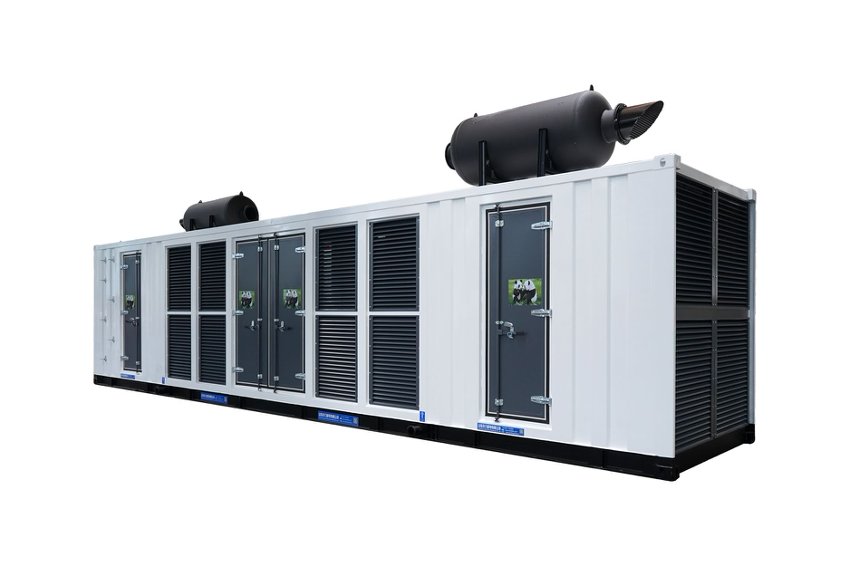
For new mine construction, mine expansion, construction camps, drilling rig welding machines, temporary crushing lines and trial production stages, mobile or containerized diesel generators, temporary power distribution, fuel and capacity expansion interfaces are configured.

Temporary power supply scheme for mine construction

How to turn temporary power supply into a scalable system at new mines, expansions and construction sites

During the construction, expansion and EPC construction stages of new mines, temporary power supply cannot be just a temporary fix. It is necessary to put campsites, roads, drainage, lighting, maintenance points, drilling rigs, welding machines, pumping stations, construction lines and subsequent trial production loads in the same phased power supply plan to avoid equipment that cannot be turned on when it arrives at the site.

Scene background

New mines and expansion projects often use electricity first and then stabilize the power grid.

When mines shift from exploration to construction, and from old mining areas to new pit mouths, the first thing started on site is often not the complete production line, but roads, drainage, camps, lighting, maintenance points, drilling rigs, welding machines and construction equipment. These loads appear to be scattered, but they all affect the construction progress.

If the construction power supply is only regarded as temporary power supply, it is easy for the site to re-borrow units, pull cables, and change power distribution every time a stage is advanced. It seems to be trouble-free in the early stage, but in the installation, commissioning and trial production stages, the power supply relationship is more difficult to clarify.

Onsite issues

Equipment arrives on site, but power, distribution, and cable paths are not ready

The biggest fear of mine owners, expansion leaders and EPC contractors is that the equipment has arrived, but hoisting, welding, pumping stations, lighting and temporary processing lines cannot be started at the same time. On-site personnel can only temporarily stop part of the load, or move the units and cables back and forth.

This problem is not just the lack of a generator, but the lack of a phased power supply plan. If the construction period, installation and commissioning, trial production and subsequent expansion are not looked at together, temporary power supply will become on-site coordination costs.

Temporary power supply scheme for mine construction on-site problem scenarios

The impact of not processing

Temporary power supply is required at each stage, which will slow down construction, debugging and trial production.

Without reliable temporary power supply, civil construction, drainage, roads, campsites and maintenance points will compete for power from each other. As soon as welders, drilling rigs and pumping stations start up, lighting, tools or temporary processing lines may be forced to lose power, repeatedly interrupting the pace of construction.

Greater losses occurred later. There are no interfaces reserved for trial production and capacity expansion during power supply during construction. When new loads are added, wiring must be changed, cabinets must be added, and unit positions must be adjusted. On-site costs are high, and the division of responsibilities is easily confused.

Recommended configuration

Make temporary power supply a phased system rather than improvising

Divide the construction period, installation and commissioning, trial production and subsequent expansion into several stages, and list the loads that must be protected first in each stage. Campsites, roads, drainage, lighting, maintenance points, pumping stations, drill rigs, welders and temporary treatment lines are prioritized.

Configuration usually requires mobile or containerized units, temporary power distribution cabinets, low-voltage output protection, cable path planning, daily fuel tanks and oil replenishment channels. The focus is not on building large generating capacity at once, but on allowing the system to expand as the site progresses.

Configuration confirmation steps

Plan unit location, power distribution and oil replenishment paths according to load stages

The first step is to sort out the loads according to the general construction plane and project nodes: which loads will be started now, which loads will be started after installation and debugging, and which loads will enter continuous operation only after trial production.

The second step is to confirm the unit placement, moving path, temporary distribution cabinet location and cable routing to avoid conflicts with subsequent roads, hoisting, drainage ditches, oil truck channels and construction vehicles.

The third step is to reserve parallel control, power distribution capacity and cable interfaces for subsequent expansion. In this way, the temporary power supply can be transferred from the construction period to trial production, instead of tearing down and reconfiguring each stage.

Onsite income

There is electricity on site first, and there are clear plans for subsequent trial production and capacity expansion.

The goal after planning is for the construction camps, roads, drainage, lighting, maintenance points and construction equipment to operate stably first. New equipment can be connected according to priority during installation and commissioning. There is no need to reorganize all power supply relationships during the trial production stage.

What the mining team and the EPC contractor received was not just a temporary unit, but an executable on-site power supply plan: which loads should be maintained in the current stage, where to expand the capacity in the next stage, and how the fuel tanks and cables will advance with the construction.

Check before quotation

Common signals on site

  • The power grid has not been stabilized in the early stage of the construction of the new mine, but roads, drainage, camps, lighting and maintenance points have to be started first
  • New equipment, construction lines, pumping stations, drilling rigs or welding machines in the expansion phase require power supply before installation and commissioning.
  • At each stage on site, a section of cable is temporarily repaired and a unit is temporarily borrowed. The power distribution relationship becomes increasingly chaotic.
  • The temporary processing line or trial production plan has been scheduled, but the power supply during the construction period does not reserve interfaces for subsequent expansion.
  • The positions of oil tanks, oil replenishment paths, cable paths and equipment placement are not confirmed together with the general construction plan.

If you don’t plan ahead

  • Lack of reliable power will slow down civil construction, equipment installation, commissioning and trial production
  • Drilling rigs, welding machines, pumping stations, lighting and maintenance points compete for power from each other, and only part of the load can be temporarily stopped on site.
  • The device is present but cannot be powered on because the power capacity, distribution, or cable paths are not ready
  • Replenishing power, changing wiring, and borrowing equipment are required at each stage. The cost is high, and the division of responsibilities can easily be confused.
  • During the power supply construction, trial production and capacity expansion were not considered, and they would have to be demolished and reconfigured when new loads were added later.

Project confirmation points

  • List the load in stages during the construction period, installation and commissioning, trial production and subsequent expansion.
  • Confirm priorities for campsites, roads, drainage, lighting, maintenance points, pumping stations, drill rigs, welders and temporary processing lines
  • Plan the location, movement path and subsequent parallel expansion methods of mobile or containerized units
  • Determine temporary power distribution, low voltage cabinets, output circuit breakers, cable paths and critical load zoning in advance
  • Confirm whether there is any conflict with the entry and exit of daily fuel tanks, large fuel tanks, oil replenishment channels and construction vehicles

Recommended configuration range

  • Mobile or container-type diesel generator sets, leaving a reasonable margin according to the stage load
  • Temporary power distribution system during construction to differentiate between campsites, construction equipment, drainage, lighting and maintenance loads
  • Reserve parallel control, power distribution capacity and cable interfaces for trial production and phased expansion
  • Daily fuel tanks, large fuel tanks and refueling plans to avoid fuel supply becoming a construction stoppage
  • Commissioning and handover checklist, operational duty requirements and basic spare parts to reduce temporary on-site coordination

Engineer assistance

Contact the engineer first, and then determine the equipment and service scope together

Will the power supply during the construction period only serve the current stage, or should interfaces be reserved for trial production and subsequent expansion?

Device and module scope

Mobile or containerized diesel generator sets, temporary low-voltage power distribution, large fuel tanks, output protection, parallel machine reservation and phased delivery information.

Engineers will help you sort out the information

  • Construction phases and production schedule
  • Camps, drilling rigs, welding machines, pumping stations and temporary production line loads
  • Unit placement, roads, hoisting and oil replenishment paths
  • Follow-up trial production or expansion plan

Related equipment and services

Mobile/container unitTemporary power distribution cabinetLarge capacity fuel tankParallel reserved interfaceSpare parts package during construction period

Engineer contact

Contact the engineer first and let the engineer help you determine the configuration.

If the information is incomplete, you can contact us first. You only need to first explain the location of the mining area, on-site problems or general equipment conditions, and the engineer will work with you to sort out the load, site conditions and configuration range.

Scan the WhatsApp code to contact the engineer

Engineers will contact you soon to understand your questions and needs.

Scan the WhatsApp code to contact the engineer
or leave your contact information

Engineers will contact you soon to understand your questions and needs.

Contact engineer service