Have remote communication conditions
The operating status, alarms and operating hours can be read through the controller, 4G/Ethernet communication module or monitoring platform, and engineers review the trends periodically.
Smart remote inspection and maintenance
For remote mining areas and long-term spontaneous power generation sites, engineers use controller data, ATS switching records, low-voltage distribution status, operating hours, load changes, alarm codes and on-site photos and videos to determine whether the shutdown risk comes from the unit body, power distribution system, load impact or maintenance gap.
Monitoring equipment and data collection points
Smart inspection is not just a camera, but connects the generator controller, ATS, low-voltage power distribution, fuel, on-site environment and engineer services.
The operating status, alarms and operating hours can be read through the controller, 4G/Ethernet communication module or monitoring platform, and engineers review the trends periodically.
Screenshots of controllers, photos of low-voltage cabinets, ATS status, inspection videos and maintenance records can still be submitted periodically on site to form remote inspection data.
| Device category | Recommended equipment | Collect data | Problems solved | Suitable for the scene |
|---|---|---|---|---|
 Basic remote data package Basic remote data package | Generator controller, DSE / ComAp type communication gateway, 4G / Ethernet, SIM card or network access | Operating hours, oil pressure, water temperature, speed, voltage, frequency, load rate, alarm code | Determine the unit status, maintenance window, alarm level and whether shutdown inspection is required. | For single or multiple diesel generator sets, the basis for remote inspection must first be established. |
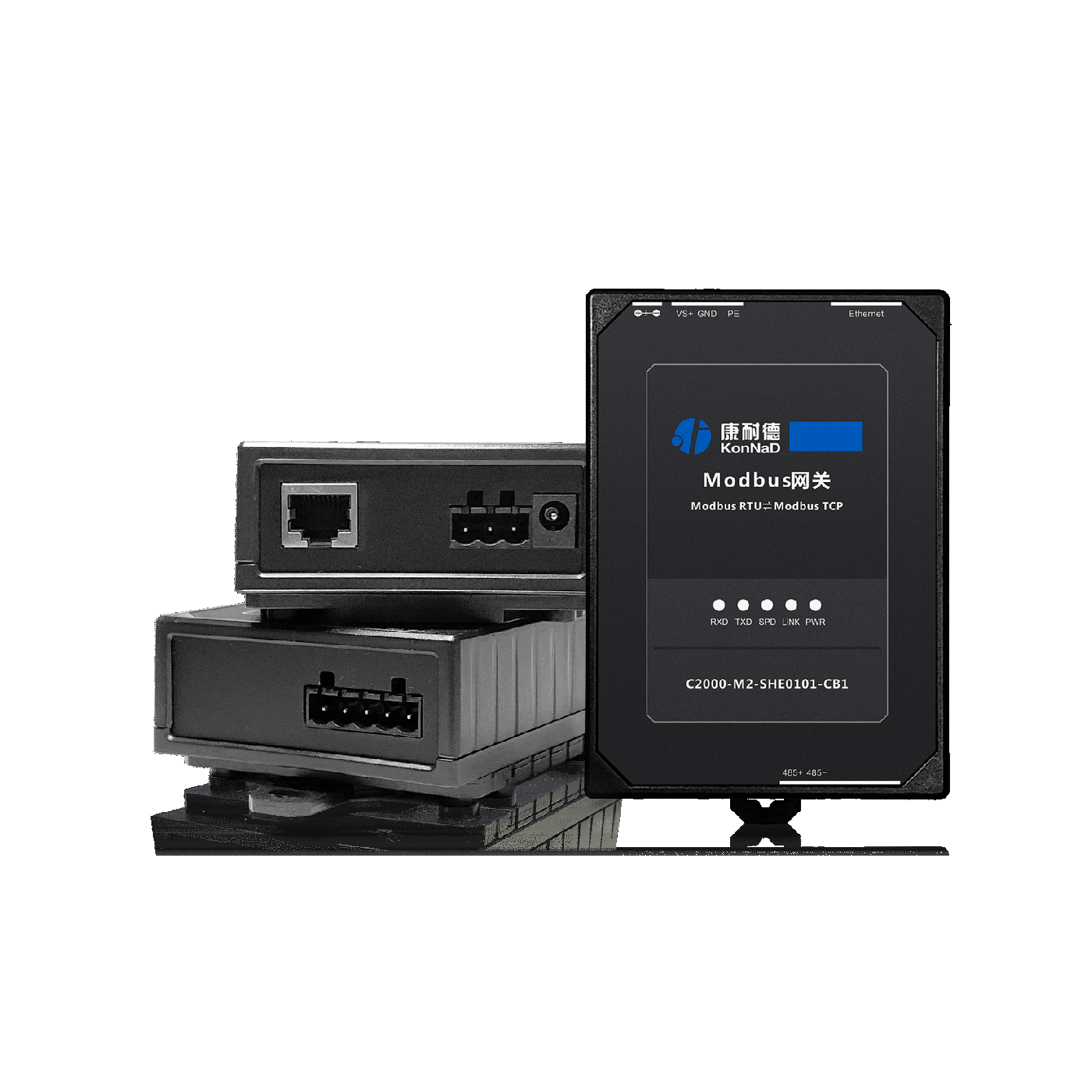 ATS and distribution monitoring package ATS and distribution monitoring package | ATS status contact, multi-function meter, CT, voltage/current acquisition, circuit breaker auxiliary contact | Switching status, main and backup power status, three-phase voltage and current, tripping position, protection action record | Determine switching failure, three-phase unbalance, load impact and protection setting problems. | There are ATS, low voltage cabinets, critical load partitions or mining sites where tripping is common. |
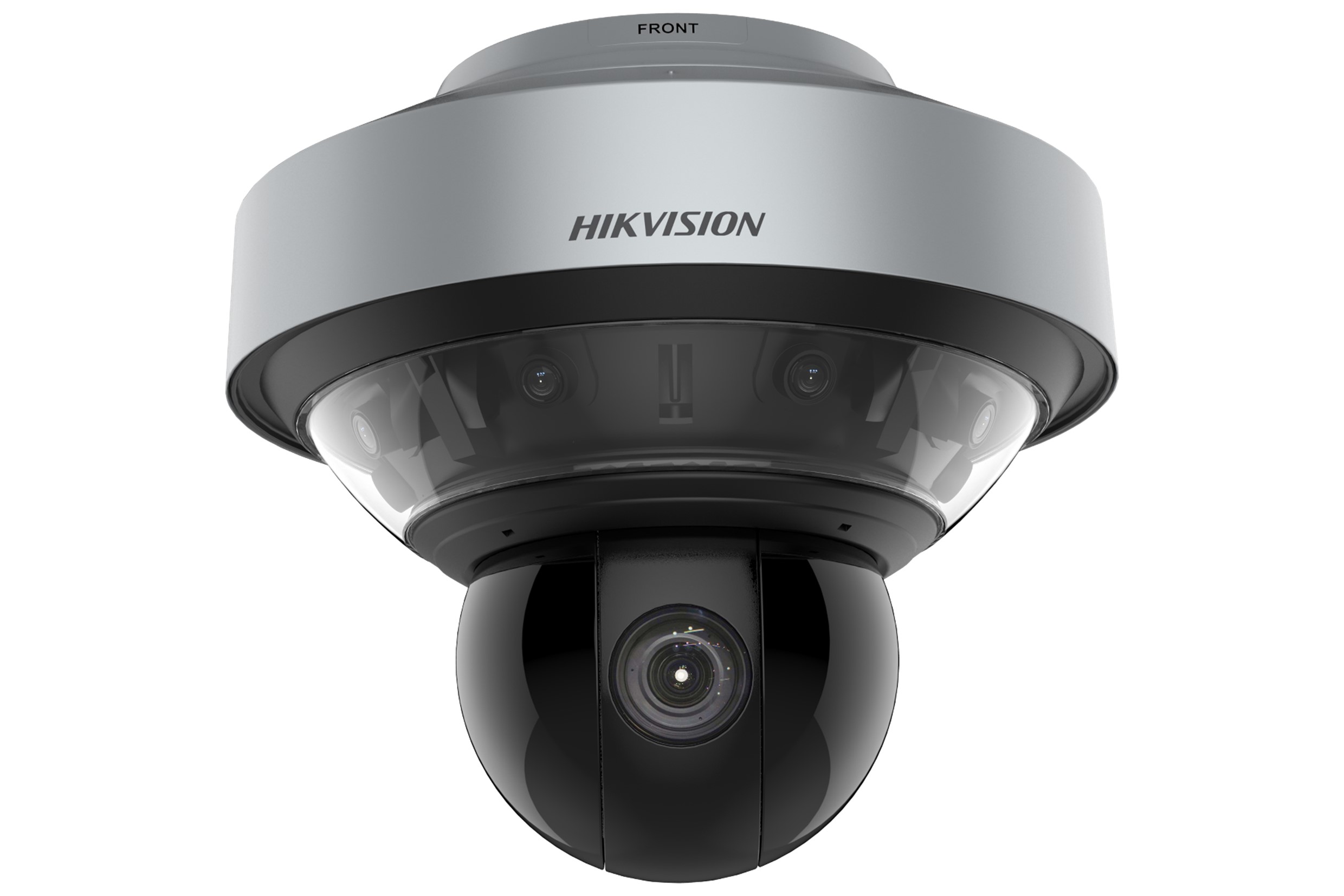 Smart Video and Thermal Imaging Package Smart Video and Thermal Imaging Package | Fixed gun machine, PTZ dome machine, thermal imaging camera, key point monitoring of machine room/fuel tank/power distribution cabinet | On-site pictures, personnel entry, smoke exhaust status, oil leakage and water leakage, abnormal heating of the cabinet | Allow engineers to remotely view on-site status, reducing misjudgments caused by relying solely on verbal descriptions. | Remote mining areas, unattended computer rooms, unstable roads in rainy season, or sites with high risk of temperature rise in distribution cabinets. |
 Fuel and refueling management package Fuel and refueling management package | Fuel tank level sensor, oil level gateway, oil replenishment record, low oil level alarm | Real-time oil level, daily fuel consumption, refueling time, low oil level alarm, abnormal fuel consumption trend | Reduce oil shutdowns, abnormal fuel consumption and confusion in oil replenishment plans. | Mining sites with long diesel transportation distances, long refueling cycles, and high fuel costs. |
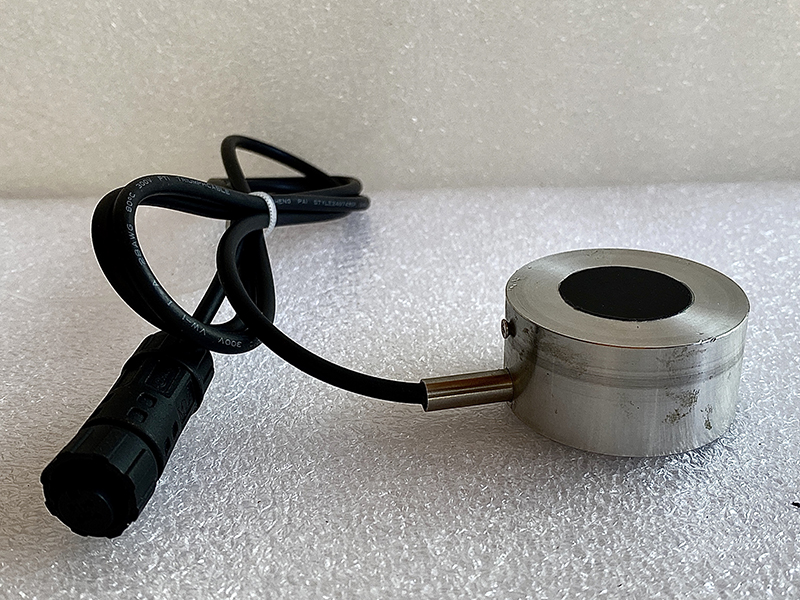
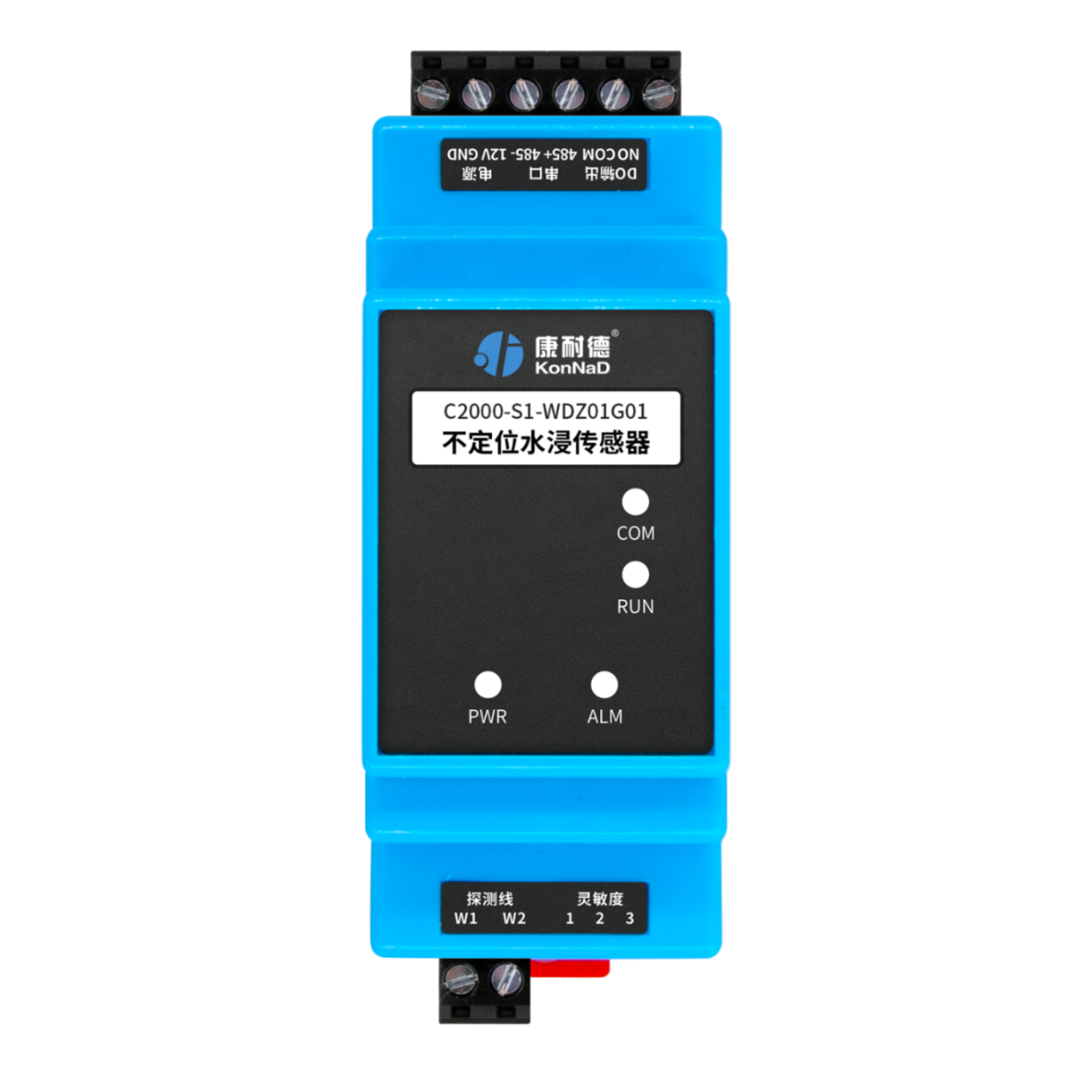 Computer room environment security package Computer room environment security package | Temperature and humidity, water immersion, smoke sensor, door sensor, sound and light alarm, UPS/DC power supply | Ambient temperature, humidity, water ingress, smoke, access control status, monitoring power status | Determine the risks of high temperature, water intrusion, smoke, illegal entry and communication disconnection. | Projects where the machine room is closed, humid during the rainy season, there are few on-site personnel, or need to be unattended at night. |
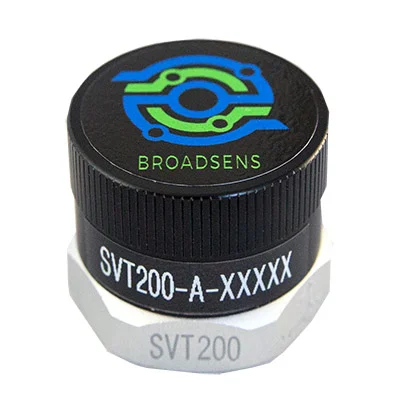 Predictive maintenance expansion pack Predictive maintenance expansion pack | Vibration sensor, temperature sensor, bearing/fan/generator end monitoring point | Vibration trends, local temperature rises, abnormal fluctuations, repeated alarms and operating hours | is used to judge the trend of long-term operation sites and detect risks of bearings, fans and mechanical components in advance. | Mining projects with long continuous operation hours, high downtime costs, and where preventive maintenance is desired. |
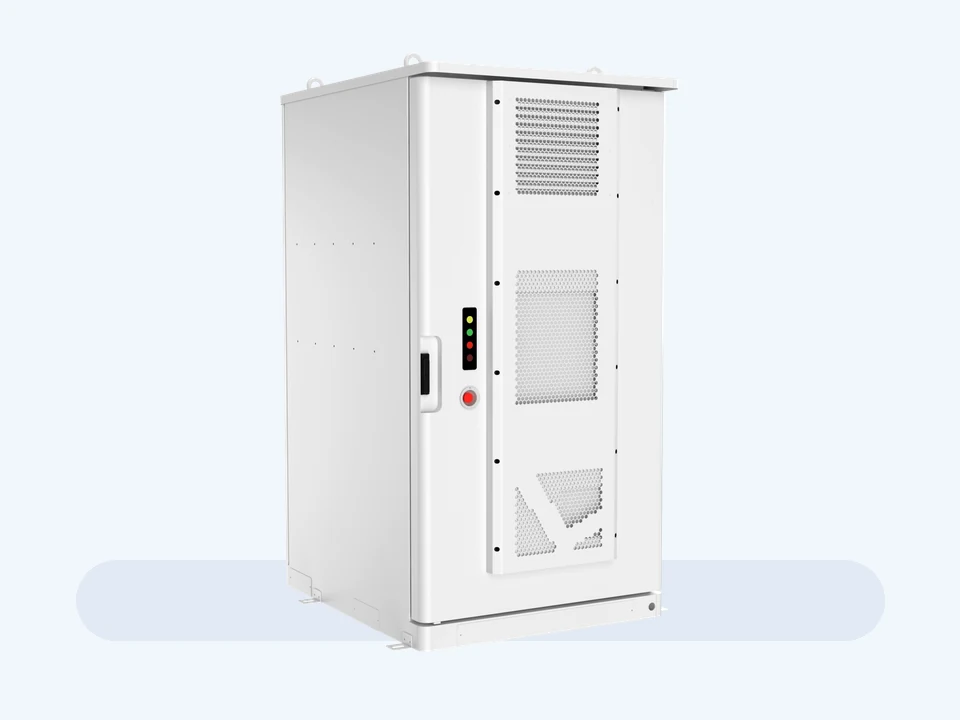 Energy storage/EMS access package Energy storage/EMS access package | BMS, EMS, PCS, energy storage cabinet communication module, energy storage fire protection status contact | SOC, SOH, charge and discharge power, temperature, alarm, fire status, communication status | Determine whether the diesel generator + energy storage solution is operating as expected, and whether there are communication, temperature, or charging and discharging abnormalities. | Mining sites that have been equipped with energy storage cabinets or plan to use diesel generators + energy storage solutions. |
BMS/EMS, PCS, SOC, charge and discharge power, temperature and alarm status can also be included in the inspection data to determine whether the diesel generator + energy storage solution is operating as expected.
View diesel + energy storage solutions| Collect location | Device/Interface | Key data | is used to judge |
|---|---|---|---|
| Generator controller | Unit controller, remote communication module, 4G / Ethernet interface | Operating hours, oil pressure, water temperature, speed, voltage, frequency, load rate, alarm code | Determine the unit status, maintenance window, alarm level and whether shutdown inspection is required. |
| ATS automatic switching cabinet | ATS controller, switching status record, cabinet photos | Main power loss, unit startup, load transfer, switchback status, switching failure record | Determine whether the backup power supply actually takes over the critical load to avoid only starting up but not supplying power during a power outage. |
| Low voltage distribution cabinet | Photos of electricity meters, circuit breakers, protective devices, cabinet terminals and cables | Three-phase current, voltage, load zone, tripping position, protection action, terminal temperature rise trace | Determine whether the problem comes from generator capacity, cable distribution, protection setting or load impact. |
| Parallel control system | Parallel controller, synchronous control record, single unit operation record | Single unit load rate, equalization status, synchronization status, voltage frequency, parallel alarm | Determine whether multiple units are operating in a balanced manner, and whether there is a unit that is stuck for a long time or is under low load for a long time. |
| Fuel and maintenance records | Daily fuel tank, fuel consumption record, filter oil ledger, spare parts inventory list | Fuel balance, daily operating hours, filter replacement, oil coolant status, inventory balance | Determine whether oil, maintenance, spare parts, and operating costs are exaggerating the risk of downtime. |
| On-site manual inspection | Photos, videos, inspection sheets, on-site electrician feedback | Oil and water leakage, smoke exhaust, abnormal noise, radiator blockage, cable heating, road and rainy season effects | complements the on-site environment that cannot be seen through remote data, allowing engineers to make judgments closer to real working conditions. |
| Energy storage cabinet BMS / EMS | BMS, EMS, PCS, energy storage cabinet communication module | SOC, SOH, charge and discharge power, temperature, alarm, fire status, communication status | If an energy storage cabinet is configured on site, the operating effect of the energy storage solution can be judged together with the unit load rate and power distribution status. |
Engineering judgment logic
The same high temperature, trip or start failure alarm has different processing priorities in the drainage pump power supply, crushing line startup, parallel operation and long-term spontaneous power generation sites. Engineers will first judge production risks and then judge technical reasons.
If drainage, crushing, ventilation, communications and camp power supply have been affected, engineers will give priority to temporary operation, load switching or load reduction observation suggestions.
High temperature, low oil pressure, and difficulty in starting are mostly related to the engine, maintenance, and fuel; voltage frequency fluctuations, tripping, and ATS switching failures are mostly related to power distribution, load impact, or protection settings.
Under the same load, the water temperature continues to rise, the oil pressure gradually decreases, the load rate is high for a long time, and the alarm occurs repeatedly, which can better illustrate the direction of the problem than a single screenshot.
When the operating hours are close to the maintenance window, or when alarms related to filters, belts, batteries, sensors, AVRs, and controllers increase, maintenance and spare parts recommendations will be given in advance.
It is not necessary to dispatch personnel immediately every time an alarm is called, nor is it left to the scene to deal with it blindly. Engineers judge remote guidance, load reduction observation, spare parts preparation or arrange on-site services based on the risk level.
Service Team
What remote mining areas really need is someone who can understand the data and on-site photos, and can also push the problem to local inspection, factory technical review and spare parts confirmation.
Check the controller data, alarm codes, operating hours, load changes, photos and videos to determine the direction of the problem first.
Assist in on-site inspection, basic troubleshooting, installation and maintenance problem confirmation when necessary.
When involving engines, generators, controllers, ATS, parallel machines or power distribution configurations, return to the factory data for review.
Check spare parts, replacement parts and procurement cycles based on models, serial numbers, photos of old parts and fault symptoms.
Provide operating data, on-site photos and videos, load changes, operation records and executable scope.
What does the customer get?
The goal of remote inspection is not to increase the burden on customers, but to allow the site, procurement, equipment managers and engineers to discuss issues based on the same set of data, reducing repeated questions, waits, and visits.
Organize operating hours, alarms, load rate, voltage frequency, oil pressure, water temperature and inspection photos to form a traceable record.
indicates that the problem is more likely to come from the unit itself, ATS, low-voltage power distribution, load impact, maintenance gap or spare parts issues.
Remind maintenance windows, commonly used spare parts and high-risk components based on operating hours, site environment and failure frequency.
When it is absolutely necessary to arrive on site, confirm personnel, tools, spare parts, shutdown windows, road conditions and on-site cooperation requirements in advance.
Engineer contact
It is recommended to provide unit model, controller photos, alarm codes, operating hours, current load, ATS or power distribution photos, recent maintenance records, failure videos and whether it affects drainage, crushing, ventilation, communications or camp power supply.
Engineers will contact you soon to understand your questions and needs.