Startup, capacity and expansion
Use this path when crushers, pumps, compressors or conveyors trip at startup, or new equipment will not start after expansion.
Startup and expansion planElectrical risk guide
Suitable for new mine construction, expansion, trial production, existing-generator upgrade, and long-term self-generation in remote mines. This section is not organized by product; it breaks down the power issues in mine construction that most often cause production stoppages, trips, dewatering risk, uncontrolled fuel cost, and maintenance waiting time.
Problem types and response options
Customers can first find the risk type by on-site problem, and then enter the solution, product module, project review, installation after-sales or contact form to avoid not knowing what information to prepare next after reading the article.
Use this path when crushers, pumps, compressors or conveyors trip at startup, or new equipment will not start after expansion.
Startup and expansion planUse this path when voltage drops or trips persist, or drainage, tailings, communications and camp loads need priority backup.
Critical-load backup planUse this path when distance, refueling, altitude, dust or rain must be counted into tank size, fuel route, derating and maintenance.
Fuel range and cost planUse this path when an old unit is carrying expansion, or small faults keep waiting for spares, people, alarms and operating records.
Spares and remote diagnosis12 common power risks
Each article focuses on one issue. Mine owners, operations leaders and EPC teams can use it to check power risks before construction, expansion, diesel generator selection or existing-generator upgrade.
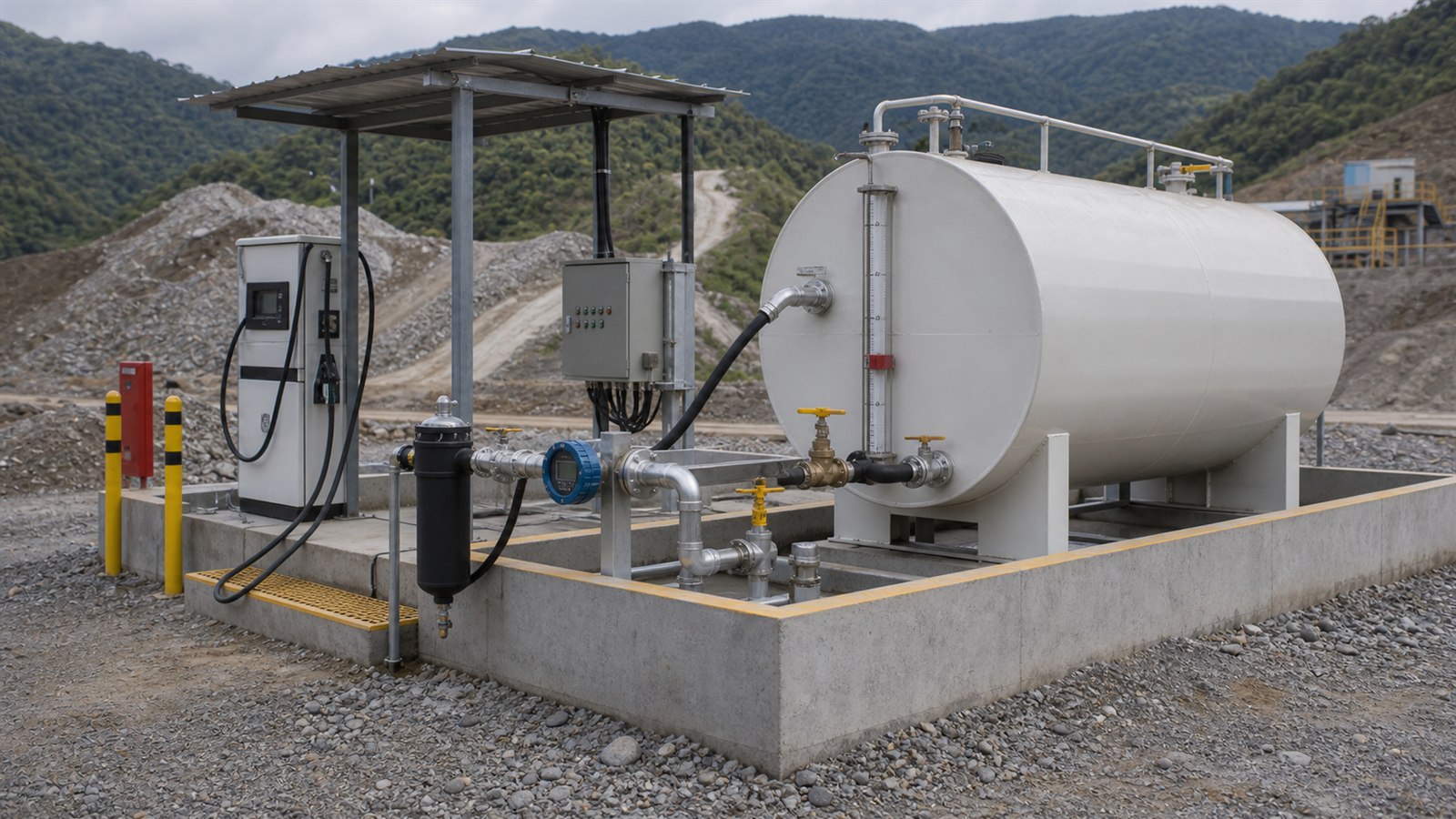
In remote mine sites, the real cost is diesel, transport, maintenance and downtime. Compare generator options by total operating cost, not purchase price alone.
For long-term off-grid generation, remote mine expansion, old-generator replacement and purchase comparison
It was cheap on paper, but its long-term operation was hampered by fuel consumption, supplies, maintenance and shutdowns, and the cost of power generation gradually got out of control.
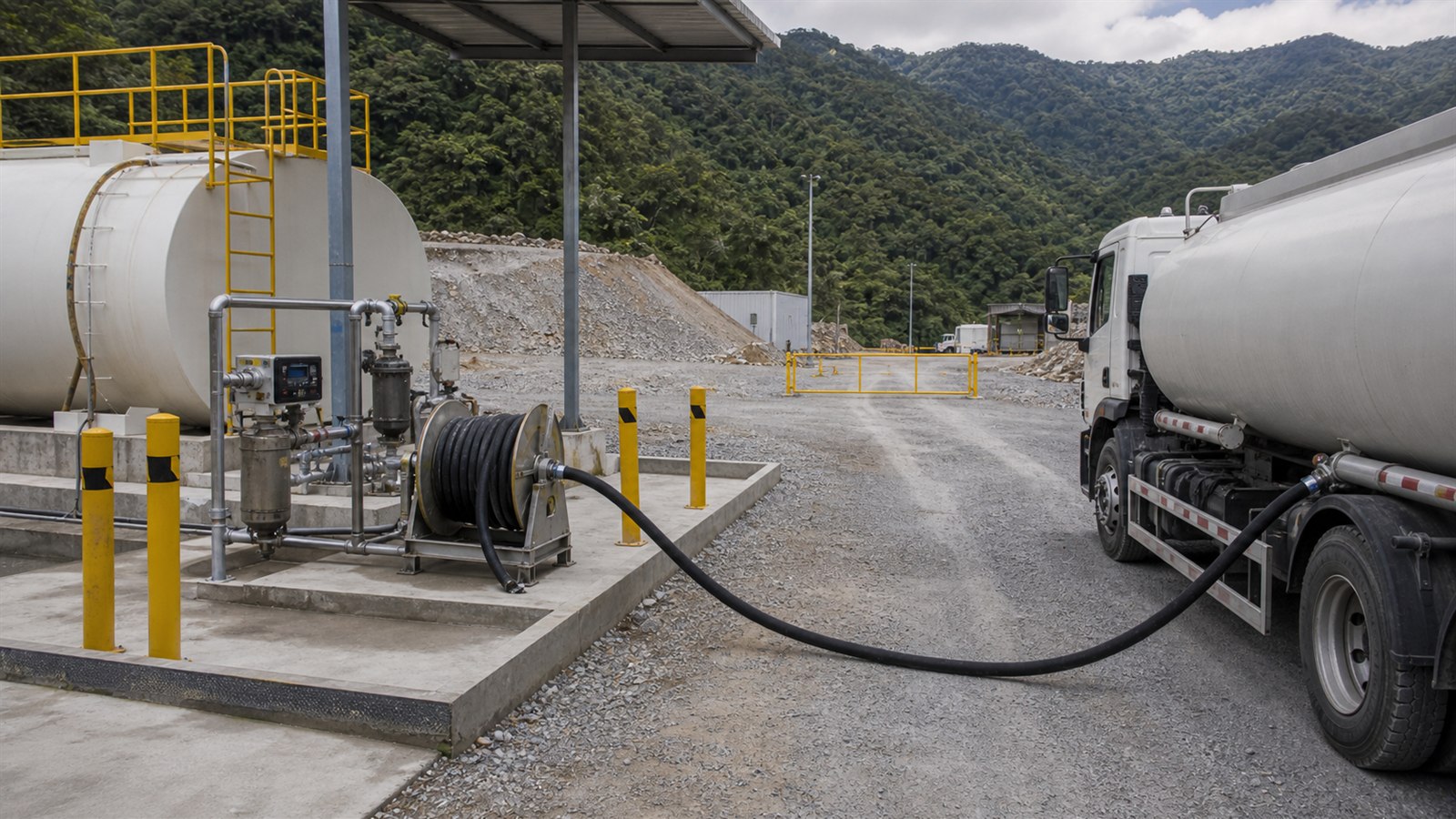
Having a generator does not guarantee stable power. If the day tank, bulk tank, refueling frequency and transport route are not calculated, the unit can still stop for lack of fuel.
For remote mines, rainy-season construction, continuous production, camps and generator layout review
The equipment is not broken, but the power plan is interrupted due to poor refueling, insufficient fuel tanks, or the inability of supply trucks to enter.
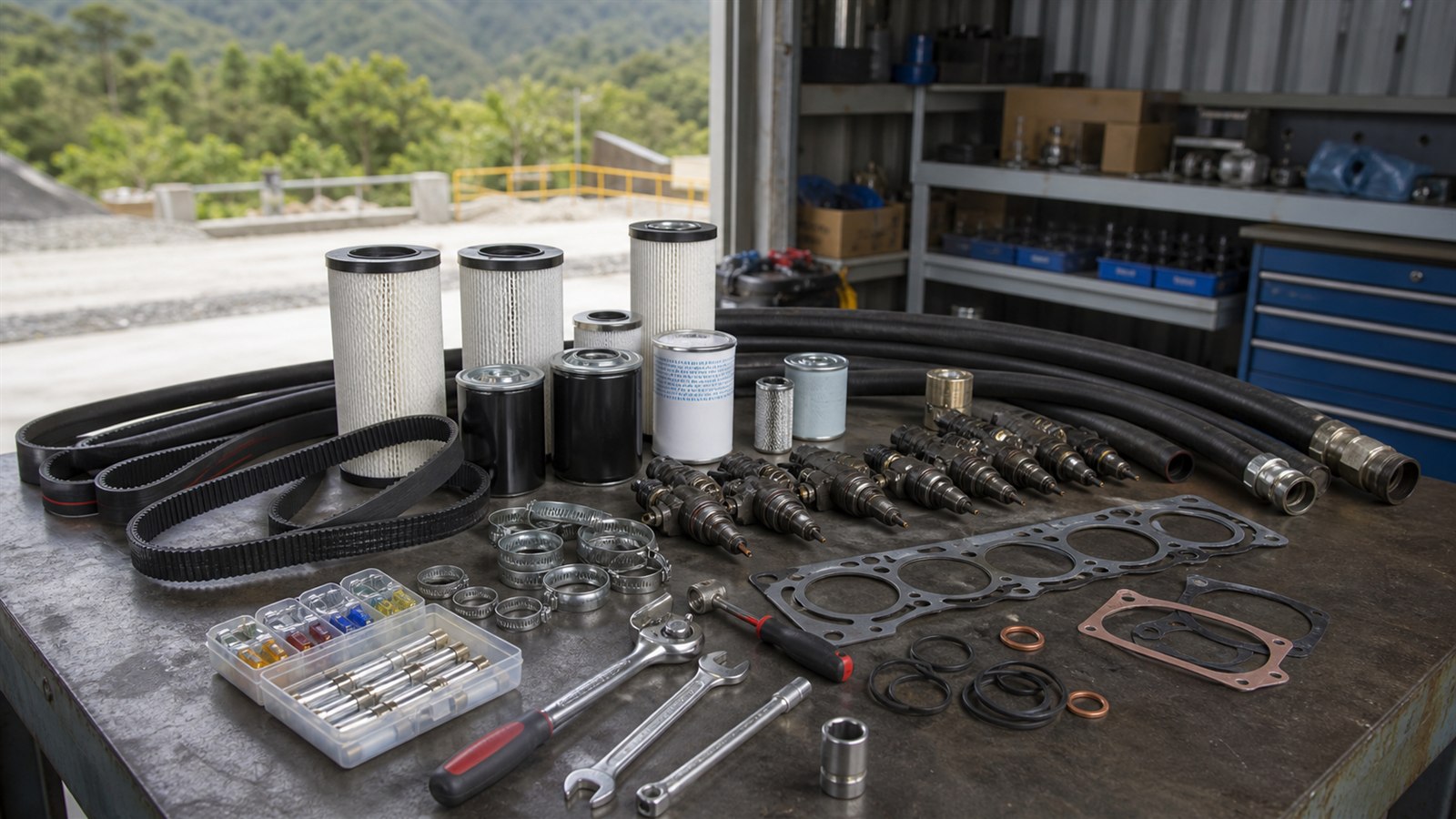
Remote mine sites are not just afraid of major failures. Filters, belts, sensors, controllers, AVRs, pumps and electrical parts are not ready, and minor failures can cause downtime for several days.
For remote long-term generation, trial-production handover, old-generator replacement and maintenance planning
A problem that could have been restored within a few hours was delayed for several days because there were no people, no parts, and no plans. Production and drainage safety were both affected.
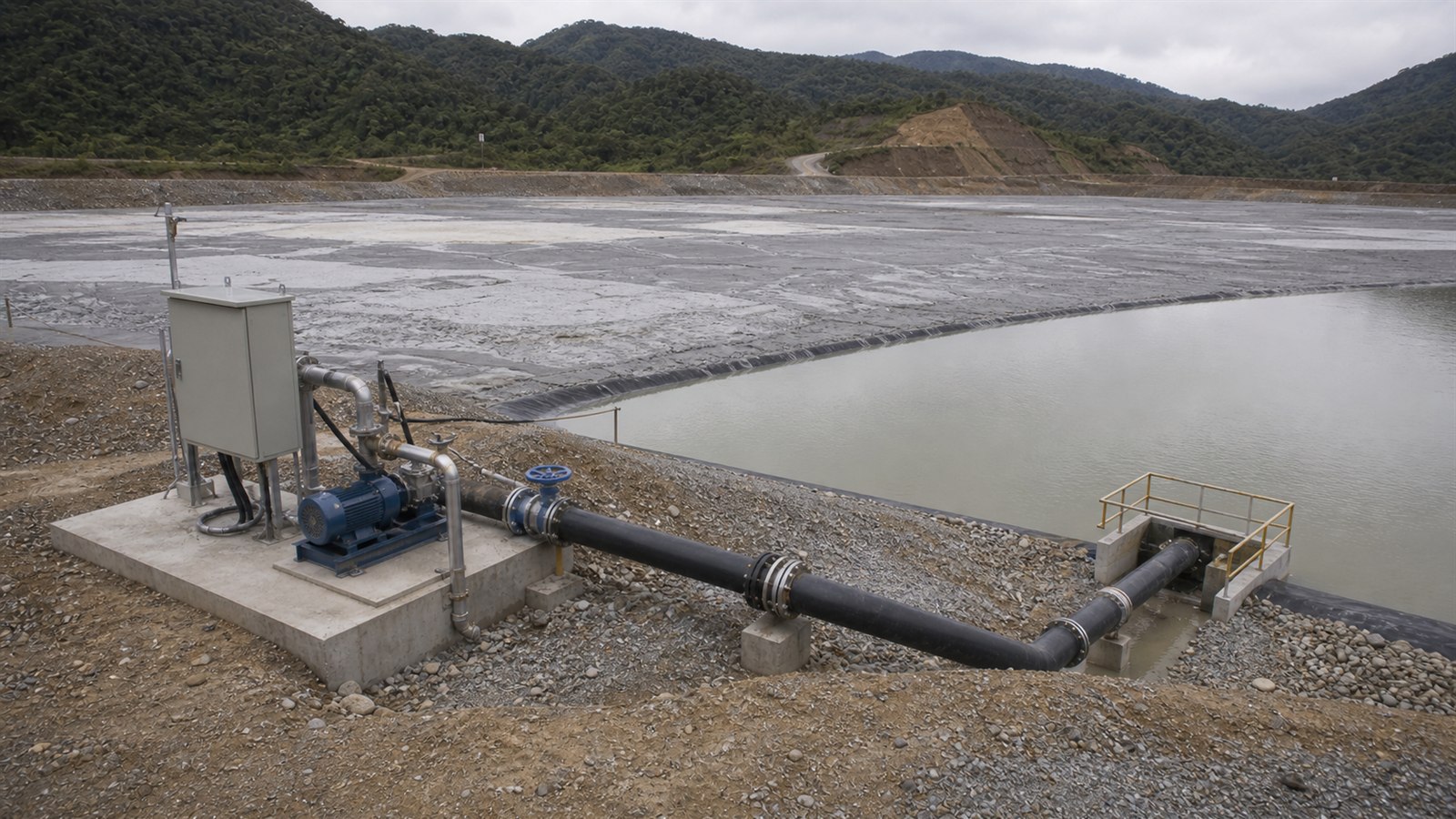
Dewatering pumps, tailings pumps, water treatment, and safety monitoring should stay powered even when ordinary production loads stop. Before construction, confirm which safety loads need independent backup power.
For rainy-season preparation, underground work, tailings systems, water treatment and safety-load review
Once the production power is stopped, the key safety loads are also stopped, and the site changes from production shutdown to safe disposal.
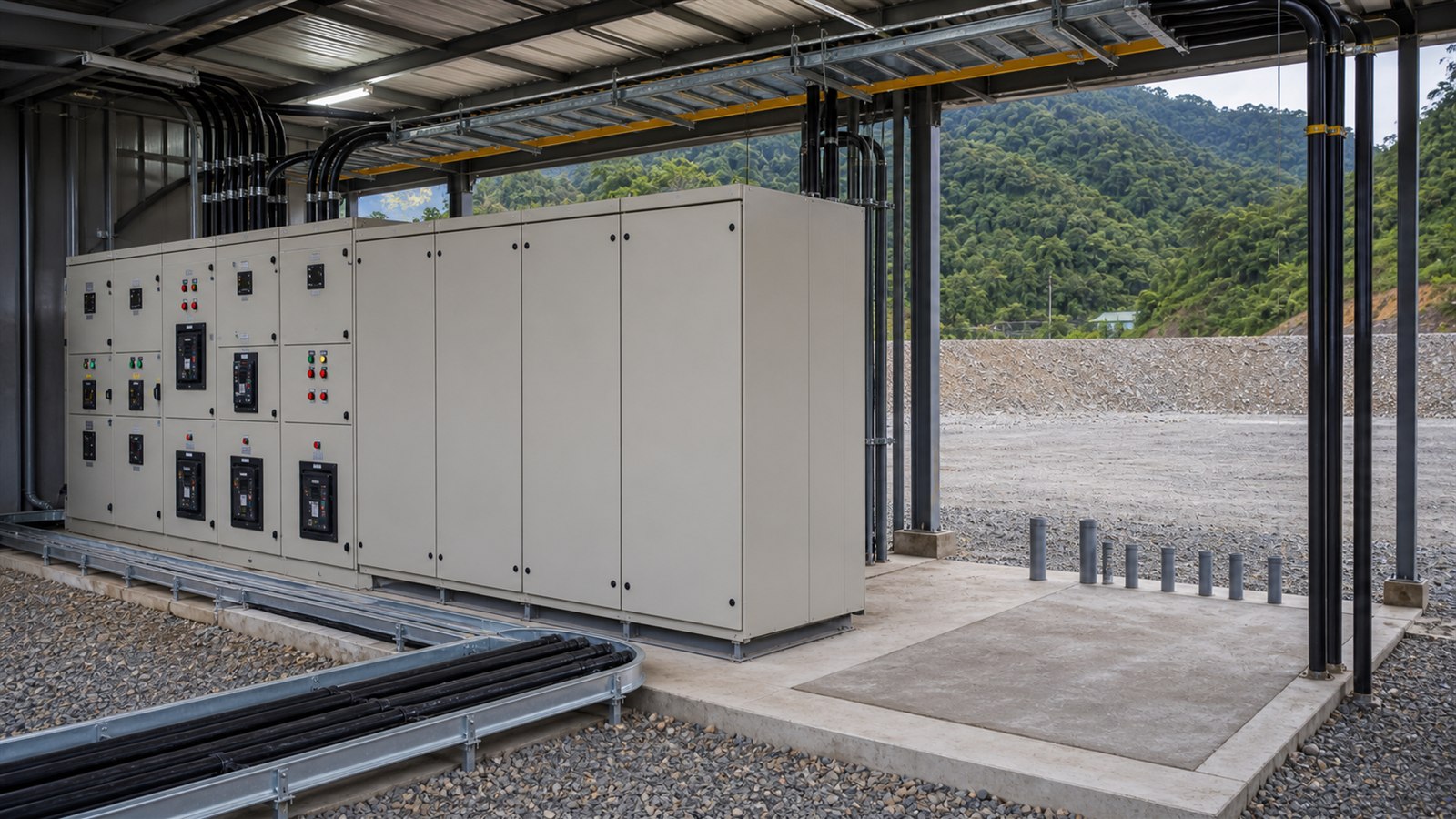
Having a generator does not mean the site has standby power. Before configuration, clarify which loads are covered by the prime supply, standby supply, and ATS transfer during an outage.
For pre-commissioning, temporary-to-permanent power, grid access and backup review
Key equipment was shut down when it was supposed to maintain power, and the scene changed from power outage recovery to production shutdown, safety disposal, and manual switching chaos.
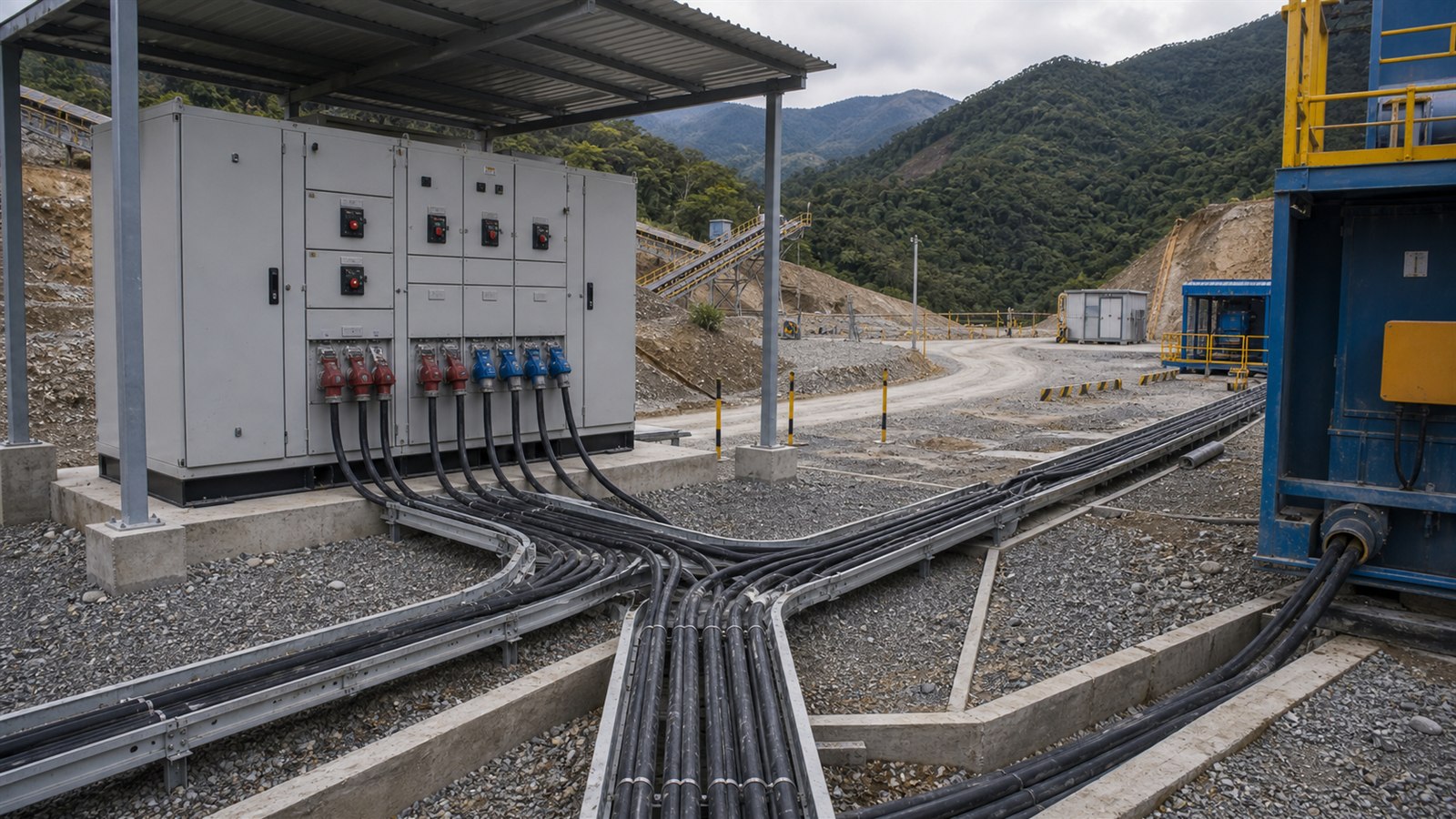
A large generator alone is not enough. If low-voltage cabinets, breakers, cables, and load zoning are undersized, the site can still see voltage drops and trips. Distribution should be checked before procurement.
For expansion, phased construction, long temporary lines, generator replacement and distribution review
The generator set may look large enough, but power still cannot reach the equipment, so the whole power system remains unstable.
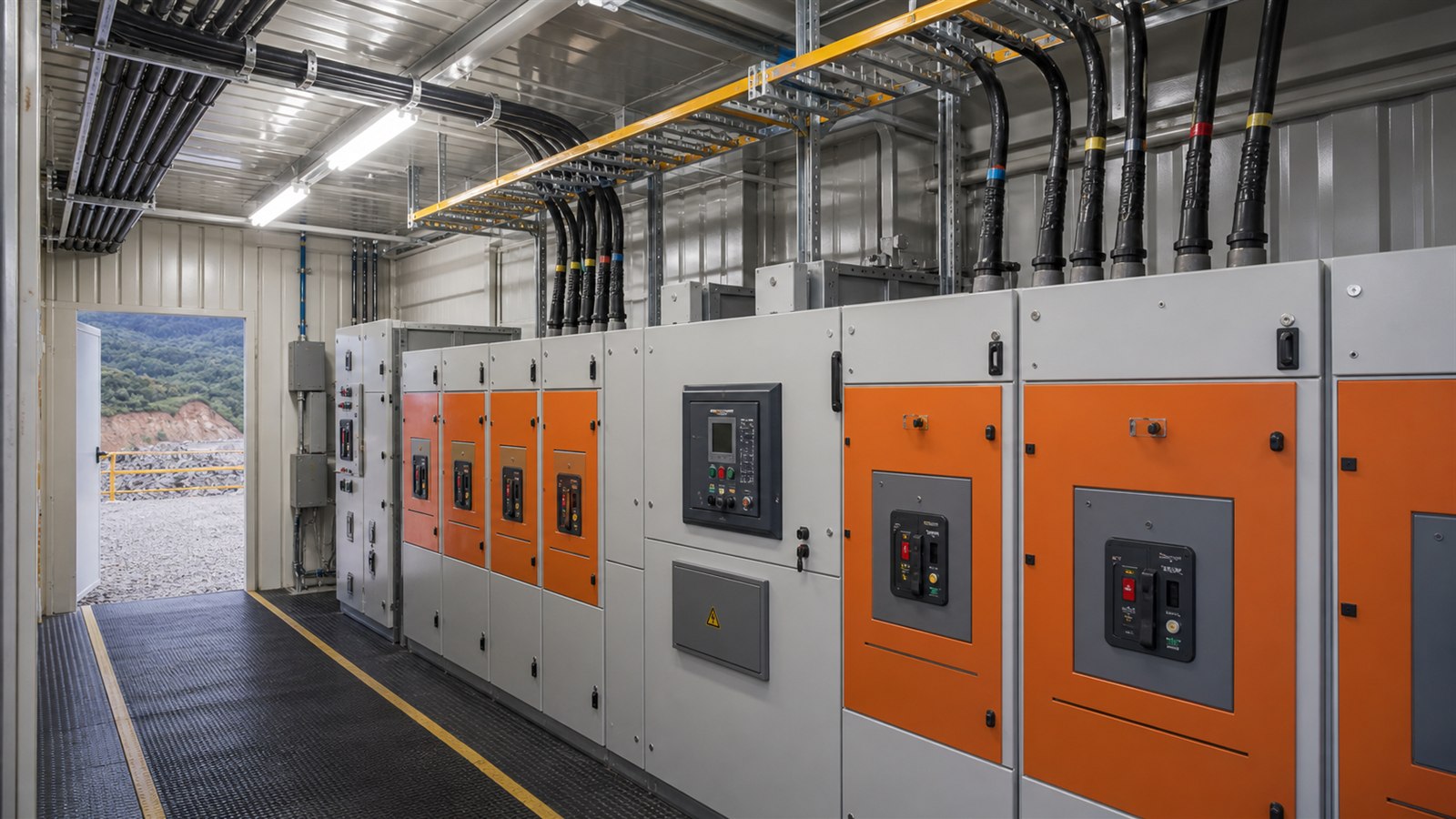
It is easy to underestimate the startup impact of crushers, water pumps and air compressors by only looking at the equipment nameplate power. Before purchasing, review the starting current, simultaneous operation and expansion margin.
For expansion, trial production, crushing lines and pump-station startup checks
The nameplate rating may look sufficient, yet the equipment still fails to start reliably on site, and repeated restart attempts can delay an entire production shift.
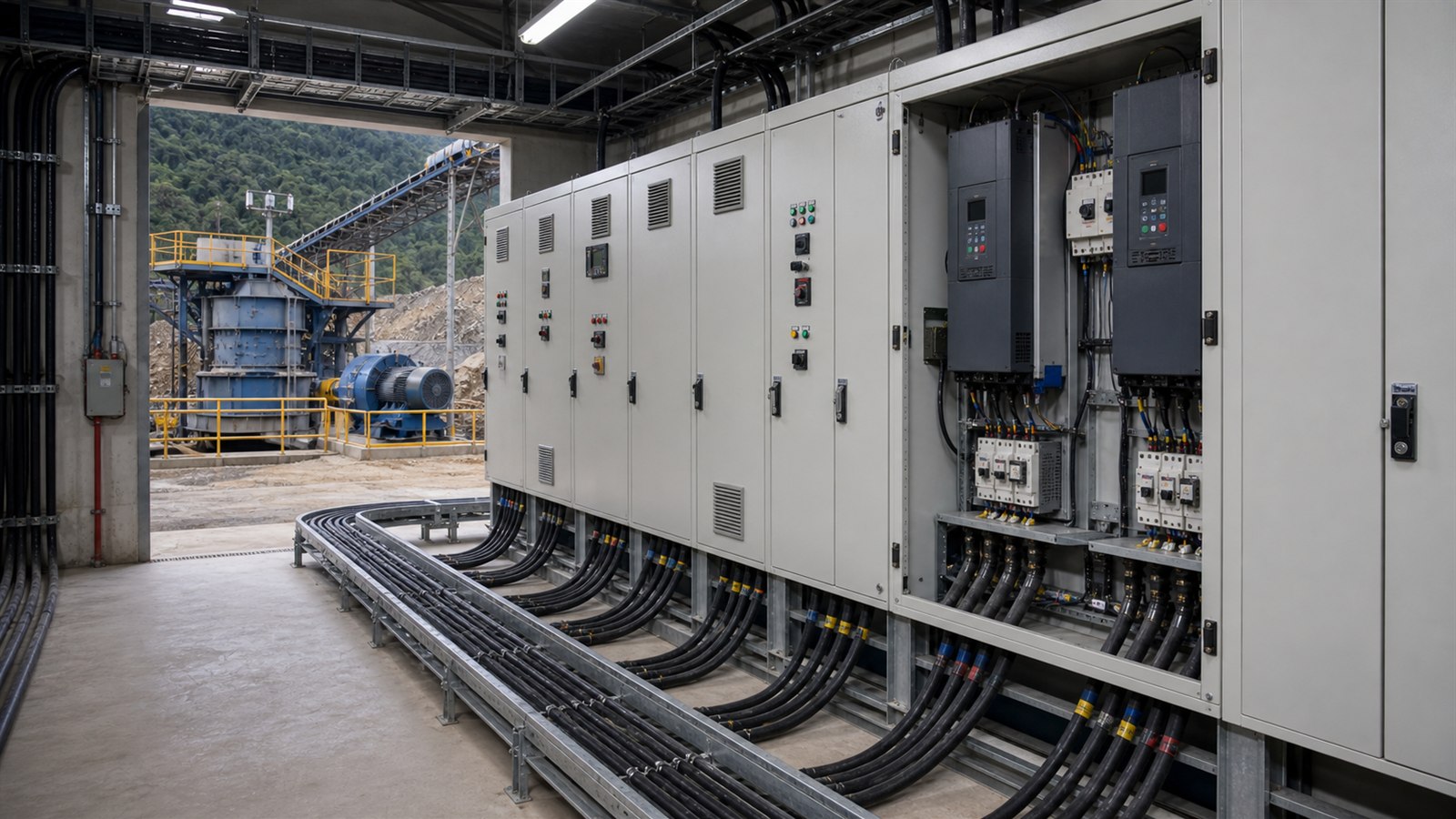
Expansion is not just about adding a new piece of equipment, power capacity, power distribution, cables, fuel and spare parts must keep up. Otherwise, the new equipment may not be able to be started after it arrives at the site.
For new production lines, larger equipment, new mining zones and construction-to-trial-production checks
The equipment has arrived at the mine, and civil construction and installation have been completed, but it cannot be put into production due to insufficient power.
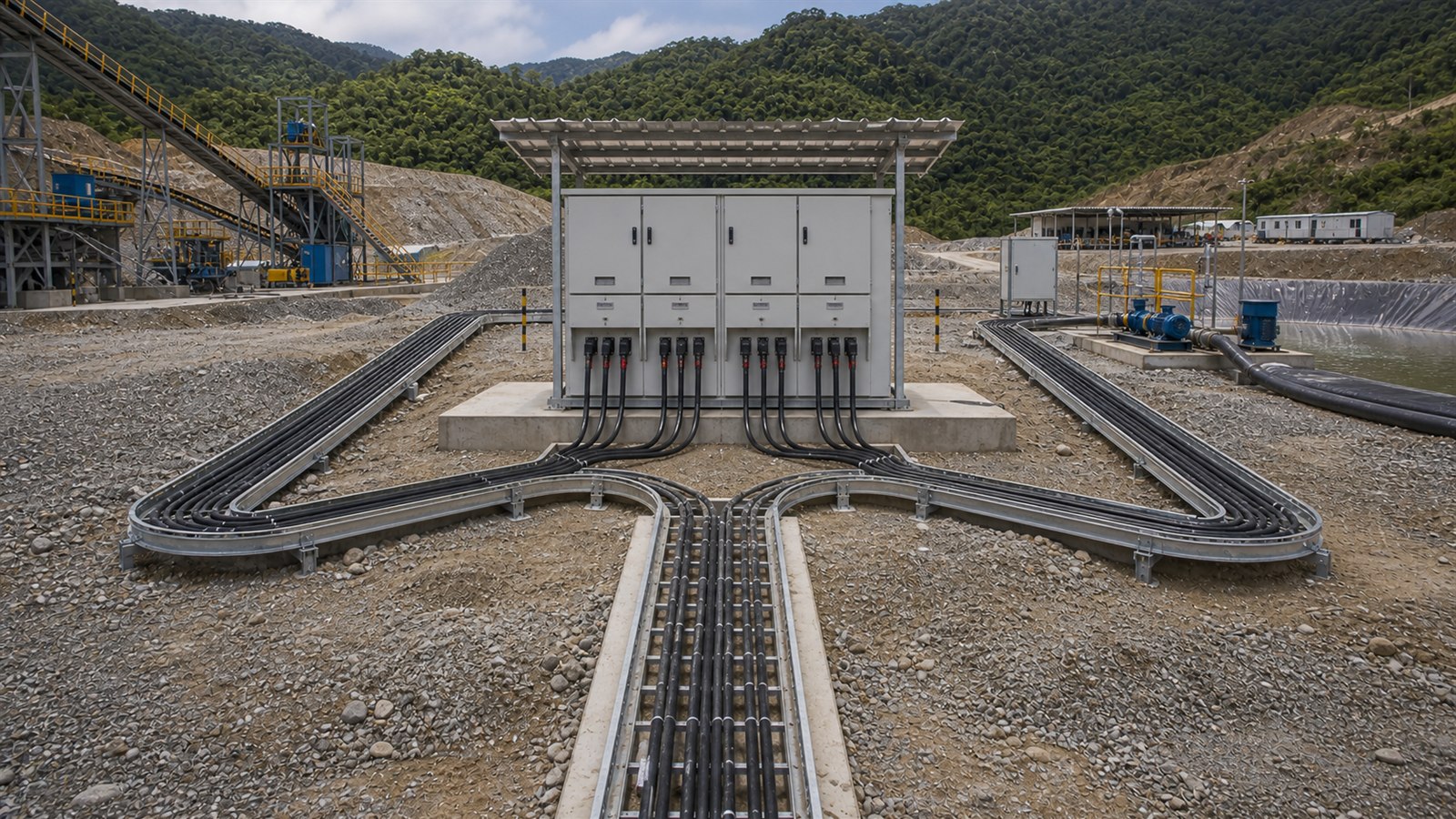
Production, drainage, tailings, camp and maintenance loads cannot all be mixed together for power. Before construction, it is necessary to distinguish between critical loads and ordinary loads to avoid a single fault halting the entire mine.
For new mine construction, temporary-to-permanent power, camps and production expansion
When a problem occurs in one area, production, drainage, lighting, communications and maintenance are all affected.
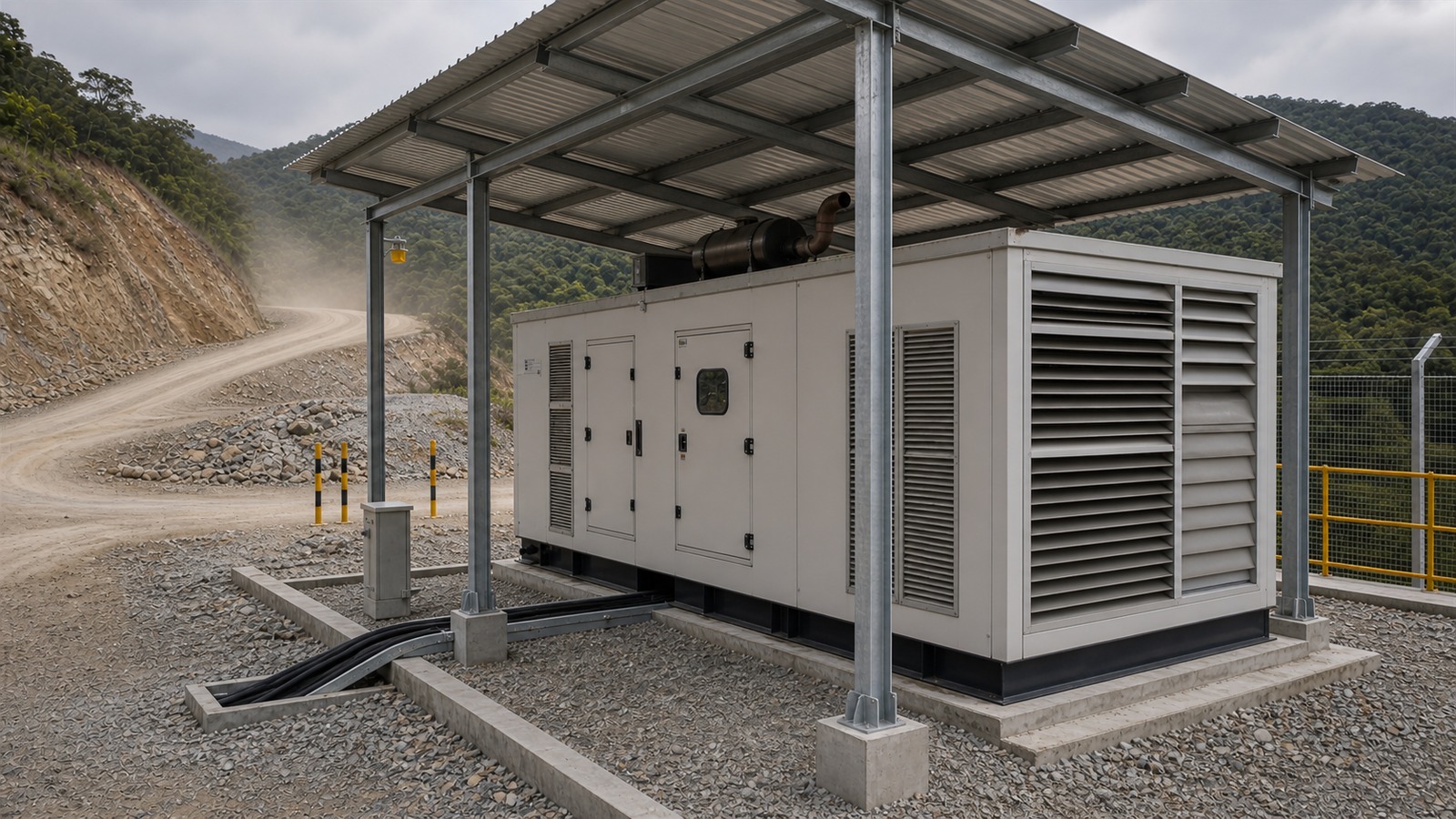
High altitude, high temperature, dust, and rain all affect the actual output of a generator set. Capacity that looks sufficient on paper may still fail to carry the load at the mine site.
For high-altitude mines, open-pit sites, rainy-season work, dusty crushing areas and generator layout review
The paper power is sufficient, but the on-site power is not enough, and fuel consumption, alarms, faults, and shutdowns all increase.
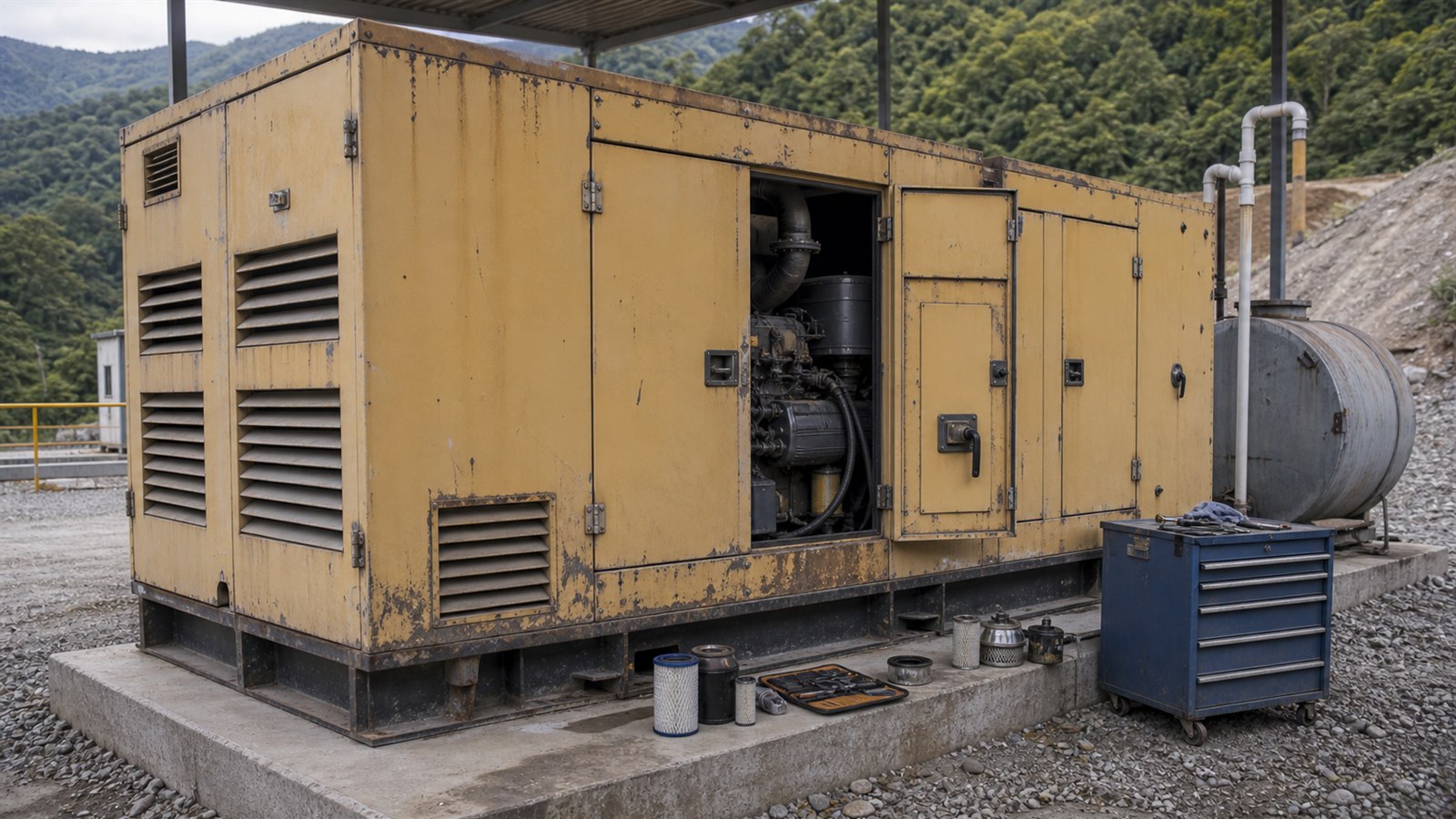
When an aging generator is pushed to support expansion, the usual issue is not one isolated failure but rising fuel consumption, harder spare-parts sourcing, and more downtime. Before expanding, decide whether replacement or paralleling is the better path.
For old-generator replacement, pre-expansion review, frequent faults and long-term generation cost checks
Keeping the existing unit may appear to reduce capital cost during an expansion, but repeated maintenance, downtime, excess fuel use and lost production can quickly erase that saving.
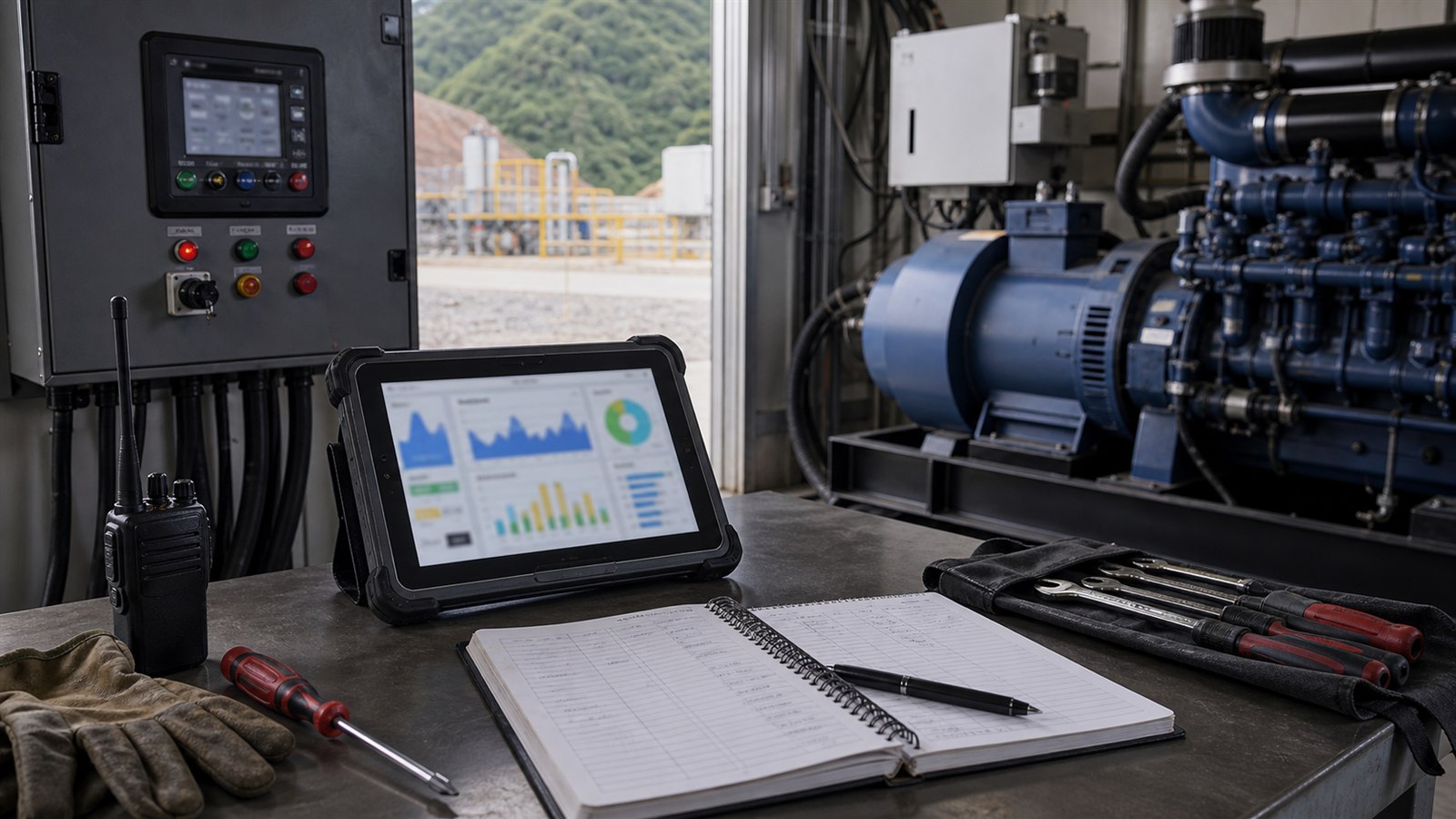
Without records of operating hours, loads, alarms, and failure times, it is difficult for engineers to determine the real cause. Remote monitoring and logging can reduce repeat failures.
For long-term on-site generation, frequent faults, remote service and post-startup maintenance
Problems, shutdowns, and repairs keep repeating. The site keeps firefighting from experience and cannot build a traceable diagnosis record.