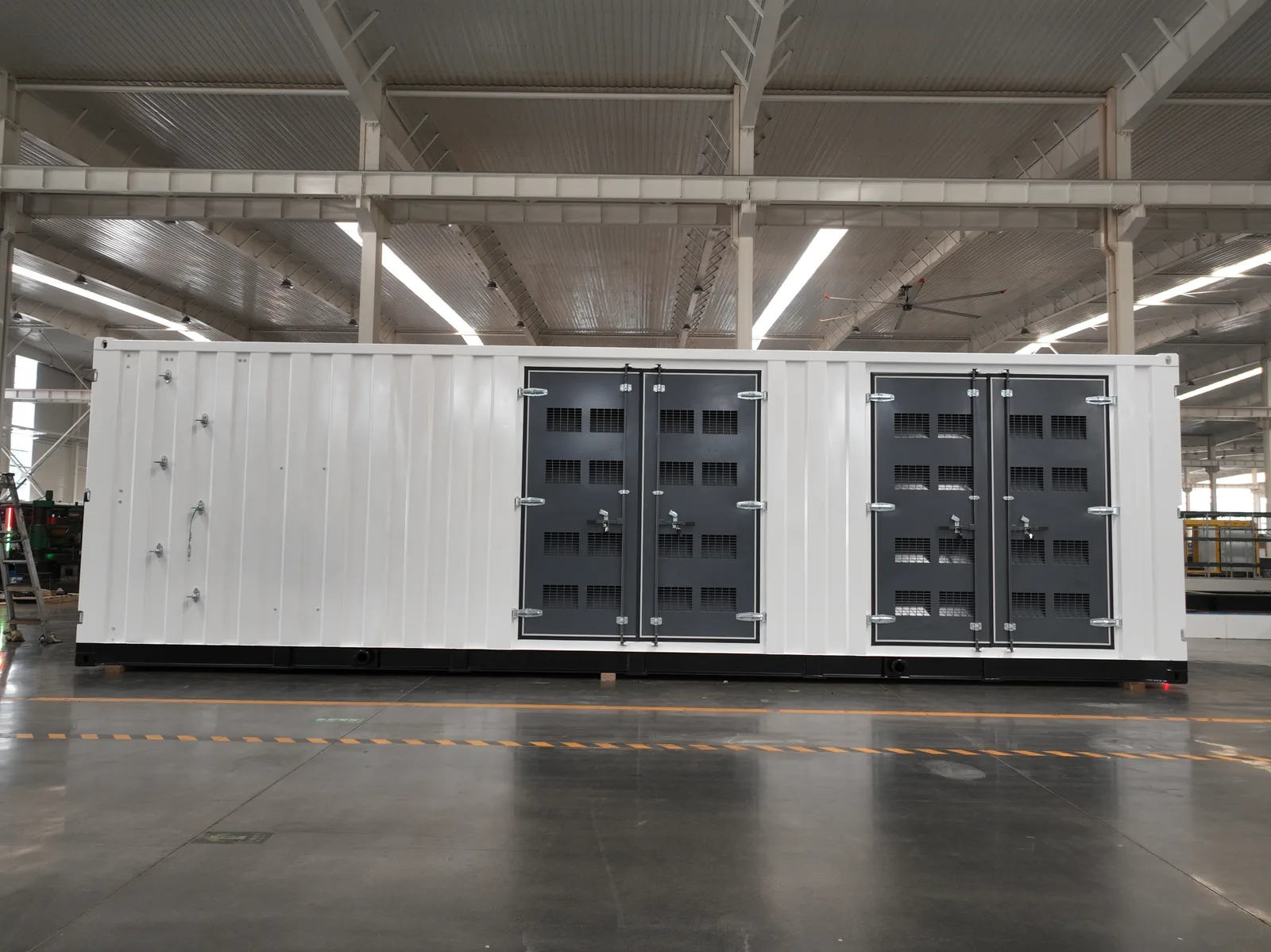
First confirm where it sits in the power system
- Connected to the back end of the generator set, parallel cabinet or ATS, responsible for incoming lines, metering, protection and outgoing line distribution
- Separate crushing and screening, drainage tailings, camp offices, maintenance workshops, and safety lighting into independent circuits
- Confirm which circuits must maintain power and which ones can be restored according to the priority of critical loads.
- Reserve interfaces and space for later production expansion, remote monitoring and spare parts maintenance
What engineers review
- Incoming line capacity, number of phases, voltage frequency, grounding method and cable distance
- Busbar specifications, circuit breaker breaking capacity, protection logic and on-site operation methods
- Equipment power, starting method, running time and allowable power outage time of each outgoing circuit
- Cabinet installation environment: rainy season, dustproof, moisture-proof, ventilation, heat dissipation and maintenance access
Mining sites where this module should be reviewed first
- Continuous production loads such as crushing stations, screening lines, and conveyor lines require stable partitioned power supply.
- Critical loads such as drainage pumps, tailings pumps, communications, and security lighting require independent protection
- Camps, offices, maintenance workshops and production loads cannot be mixed in the same circuit for a long time
- Subsequent expansion of the mining area or transformation of the old system requires reservation of new circuits in advance
Information that needs to be prepared before quoting
- Single-line diagram or site sketch showing how the generator set, paralleling panel, ATS and low-voltage distribution panel connect
- Load list, circuit current, circuit breaker configuration, cable length and laying method
- Critical load priority, allowed interruption time, manual/automatic switching requirements
- Cabinet location photos, environmental conditions, monitoring interfaces, spare parts and after-sales follow-up requirements