Installation and service support

For remote mines, service and spare parts must be planned before delivery

What mines really worry about is equipment stopping suddenly after commissioning, critical loads losing power, spare parts not arriving, and maintenance costs getting out of control. In a remote mine, if no one makes the first diagnosis or coordinates spare parts, a small alarm can become an expensive site visit and a long shutdown.

HOHANK Comparative Advantages

HOHANK service advantage: engineering diagnosis, spare-parts planning, and coordinated site service

What mines really worry about is equipment stopping suddenly after commissioning, critical loads losing power, spare parts not arriving, and maintenance costs getting out of control. In a remote mine, if no one makes the first diagnosis or coordinates spare parts, a small alarm can become an expensive site visit and a long shutdown.

If you rely only on a single-brand service channel

On-site service costs can rise quickly
Remote mining areas require people to go to on-site inspections. After the transportation, labor, accommodation and diagnostic expenses are added up, an on-site inspection may cost thousands of dollars.
Small problems can cost a lot of money
For some alarm, parameter or maintenance issues, engineers can do a basic check first and confirm whether a more complex on-site repair is actually needed.
Insufficient system coordination capabilities
Dealers usually focus on a single brand of equipment and maintenance services, and it is difficult to plan generator sets, ATS, generator paralleling systems, power distribution, fuel and spare parts as a complete mine power supply system.

If you only buy from an equipment-only exporter

No ongoing service support
Many equipment-only exporters mainly handle inquiry, shipment, and basic spare parts. Once the equipment reaches the mine, ongoing installation tie-in, commissioning, fault diagnosis, and maintenance support are often hard to secure.
No power supply system capability
Equipment-only exporters often quote one generator set at a time. They rarely include ATS, generator paralleling, low-voltage distribution, fuel systems, spare-parts stock, and maintenance in one complete mine power-supply system.
Spare parts response cycle is uncertain
If the equipment encounters problems with the controller, AVR, electrical parts, filter element, belt or starting system after the equipment is running, customers often have to reconfirm the model, find replacement parts and wait for cross-border supply.

HOHANK advantage: clearer engineering diagnosis, faster response, and lower total cost

Engineering diagnosis quality
HOHANK engineers first work with the site team, then use mine conditions, equipment status, and fault information to identify the likely problem area.
Faster response
First review photos, videos, fault codes, and operating data. If on-site service is needed, the team can arrange people, spare parts, and travel more efficiently.
Overall more economical
Reduce unnecessary on-site service costs, wrong spare-part selection, waiting time, and downtime losses so later operation of the mine power system is more controllable.

Spare parts and supply assurance

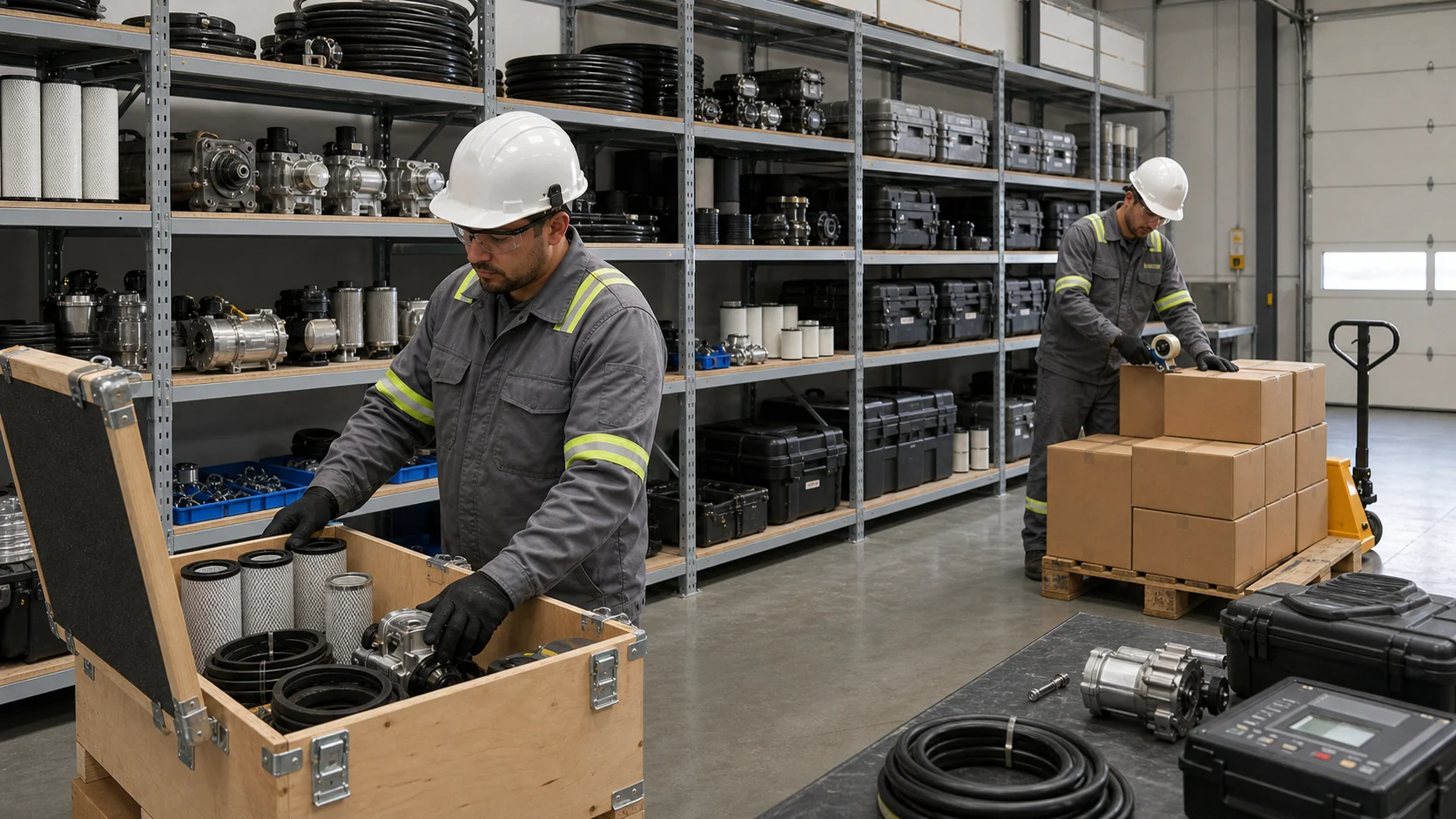
Essential spare-parts coverage and dispatch

From filters, belts, sensors and controllers to starting, electrical and cooling-system parts, engineers review the required scope against the generator model, operating hours and mine-site inventory.

Diesel generator maintenance, control and emergency spare parts

Maintenance, control and emergency spare parts

Select filters, belts, sensors, controllers, AVRs, relays, chargers, starting-system parts, and common electrical components according to the generator model and maintenance interval.

Warehousing, verification, packing and dispatch of diesel generator spare parts

Spare-parts verification, warehousing and dispatch

Verify part numbers against the generator nameplate, photos of damaged components and the inventory plan before arranging kits, packing and dispatch.

Frequently asked questions from customers

Service questions to confirm before buying mine power equipment

This page lists the issues most often overlooked in mining projects. Reviewing them in advance can reduce future downtime more effectively than comparing equipment prices alone.

01

As long as there is a warranty period, is it enough?

Warranty matters, but for a mine the more important questions are who diagnoses the issue first, who confirms the spare parts, and how site service costs are calculated.

02

What service costs are missed if you only compare equipment price?

In addition to the equipment price, the diagnostic method, on-site service fees, transportation and accommodation costs, spare parts model confirmation, procurement cycle and remote technical support must also be confirmed in advance. If these are not clearly stated after the equipment arrives at the mining site, the risk of subsequent downtime and communication costs will increase.

03

Is it enough to include a batch of key spare parts with the goods?

is usually not enough. After long-term operation, you may need different spare parts such as filters, belts, sensors, controllers, AVRs, electrical parts, and starting systems. One-off spare parts packages can only solve some of the early problems.

04

Are site service resources always the easiest option?

Site service capability matters, but remote mine visits can also be costly. Before purchasing, confirm diagnosis fees, transport costs, labor hours, accommodation, and spare-parts pricing.

05

When equipment develops an operating problem, does a large team always need to travel to the site immediately?

Not necessarily. For many alarms, parameter issues, wiring questions, and maintenance problems, engineers can first review fault codes, controller photos, operating hours, site videos, and load conditions with the site team.

06

What problems can engineers handle first?

Engineers can first help with basic checks, fault information collection, installation and maintenance troubleshooting, spare-parts replacement coordination, and site handoff when on-site service is needed.

07

Under what circumstances is further on-site service required?

If severe mechanical damage, complex electrical inspections, control system commissioning, paralleling or ATS issues, installation errors or safety risks are involved, a more complete on-site service will need to be arranged.

08

How can on-site service costs be more controllable?

Have engineers define the issue scope first, then decide how to arrange people, tools, and spare parts. When a site visit is needed, prepare fault information, spare parts, and site support personnel in advance to reduce waiting time.

09

What information should I prepare when reporting a fault?

It is recommended to prepare equipment nameplate, controller alarm code, operating hours, latest maintenance time, load list, on-site video, wiring photos, oil circuit photos, voltage frequency data and fault occurrence time.

10

Why do service engineers ask about mine location, road access and the rainy season before arranging support?

These details directly affect arrival time, travel cost and spare-parts transport. Remote mine service must consider site access, not only the equipment itself.

11

Can installation issues create service problems later?

Yes. Poor grounding, insufficient exhaust, unreasonable oil circuits, insufficient cable specifications, and incorrect ATS wiring may become faults after operation, so it is worth checking carefully during the installation stage.

12

How do you know whether a supplier can support long-term operation?

See if the other party is willing to plan installation, spare parts, fault response, service fees, operating records and long-term maintenance together. If you only talk about price and delivery time, the risk will be higher after the equipment is put into operation.

Service scope after delivery

Service continues after equipment delivery

The engineering service process turns installation and commissioning, remote diagnosis, spare-parts confirmation, on-site service and cost boundaries into a checklist. After commissioning, the same process guides diagnosis, coordination and issue records.

Installation and commissioning cooperationRemote diagnosis and inspectionSpare parts confirmationField service coordination
Policy Project Support provided by HOHANK Customer on-site cooperation Output results
01 Installation and commissioning cooperation

Provides equipment list, installation checklist, wiring and grounding requirements, oil line and exhaust considerations, controller instructions, maintenance intervals and recommended spare parts list.

Photos of site preparation basics, hoisting conditions, cables, grounding, ventilation and smoke exhaust, fuel lines, low-voltage power distribution, ATS or parallel interface.

Form installation inspection records, commissioning precautions and a list of problems that need rectification to reduce repeated communication after the equipment arrives on site.

02 Remote intelligent inspection service

For generator sets with remote monitoring, or those that can regularly submit operating data, track operating hours, alarm records, voltage and frequency, load factor, oil pressure, water temperature, and maintenance intervals.

Keep controller data, operating records, inspection photos, maintenance records, and network access available. If there is no remote module, send controller screenshots and site photos on a regular schedule.

Form inspection records, abnormal reminders, maintenance suggestions and spare parts supplement suggestions to expose some failure risks in advance.

03 Remote diagnosis of operating faults

Engineers use alarm codes, controller photos, site videos, voltage and frequency, load changes, operating hours, and maintenance records to set the first response direction.

Provide equipment nameplate, fault occurrence time, alarm code, latest maintenance time, on-site video, wiring photos, oil circuit photos and load list.

Provides fault diagnosis direction, temporary processing suggestions, whether shutdown inspection is needed, and whether on-site service needs to be arranged.

04 Production support technical support

First determine whether the fault affects crushing, drainage, ventilation, communications, lighting or camp power supply, and assist in adjusting load switching, off-peak starting and temporary operating sequences if necessary.

Describe the current production status, the equipment that is running, the links that must continue to be powered, the loads that can be put into operation temporarily, and the scope of operations that the on-site electrician can perform.

Formulate suggestions for production support and electricity consumption, temporary operation plans and follow-up investigation sequences to help mining areas stabilize important links such as drainage, crushing and camps.

05 Spare part model confirmation

Assist in checking spare parts models and alternatives such as filters, belts, sensors, controllers, AVRs, electrical parts, starting systems, circuit breakers, chargers, etc.

Provide unit model, engine nameplate, generator nameplate, controller model, photos of damaged parts, photos of spare parts in stock and hours of use.

Prepare a spare-parts list, recommended inventory, substitute-part notes, and procurement lead-time estimate to reduce the risk of buying the wrong parts or waiting through downtime.

06 Field service coordination

When remote diagnosis cannot rule out the issue, or when serious mechanical damage, complex electrical inspection, ATS, paralleling, or installation safety risks are involved, coordinate service engineers and spare parts.

Provide the location of the mining area, road conditions, rainy season impacts, entry safety requirements, on-site contacts, available electricians and shutdown windows.

Confirm the on-site service plan, personnel arrangements, spare parts and tools to be carried, estimated time and service fee range.

07 Warranty and cost boundaries

Assist in determining the warranty scope, paid services and spare parts costs based on the contract, factory documents, equipment status, operation records, maintenance status and failure causes.

Provide procurement contracts or delivery documents, operating records, maintenance records, operation conditions before and after failure, and whether there are modification, overloading or installation problems.

Form a description of processing responsibilities, cost basis and subsequent quotation basis, so that procurement, site and management know the cost structure in advance.

  • Warranty scope, spare parts pricing, and on-site service fees follow the contract, factory documents, and actual fault diagnosis.
  • When it comes to electrical safety, fuel systems and mechanical disassembly and inspection, on-site operations should be performed by qualified personnel.
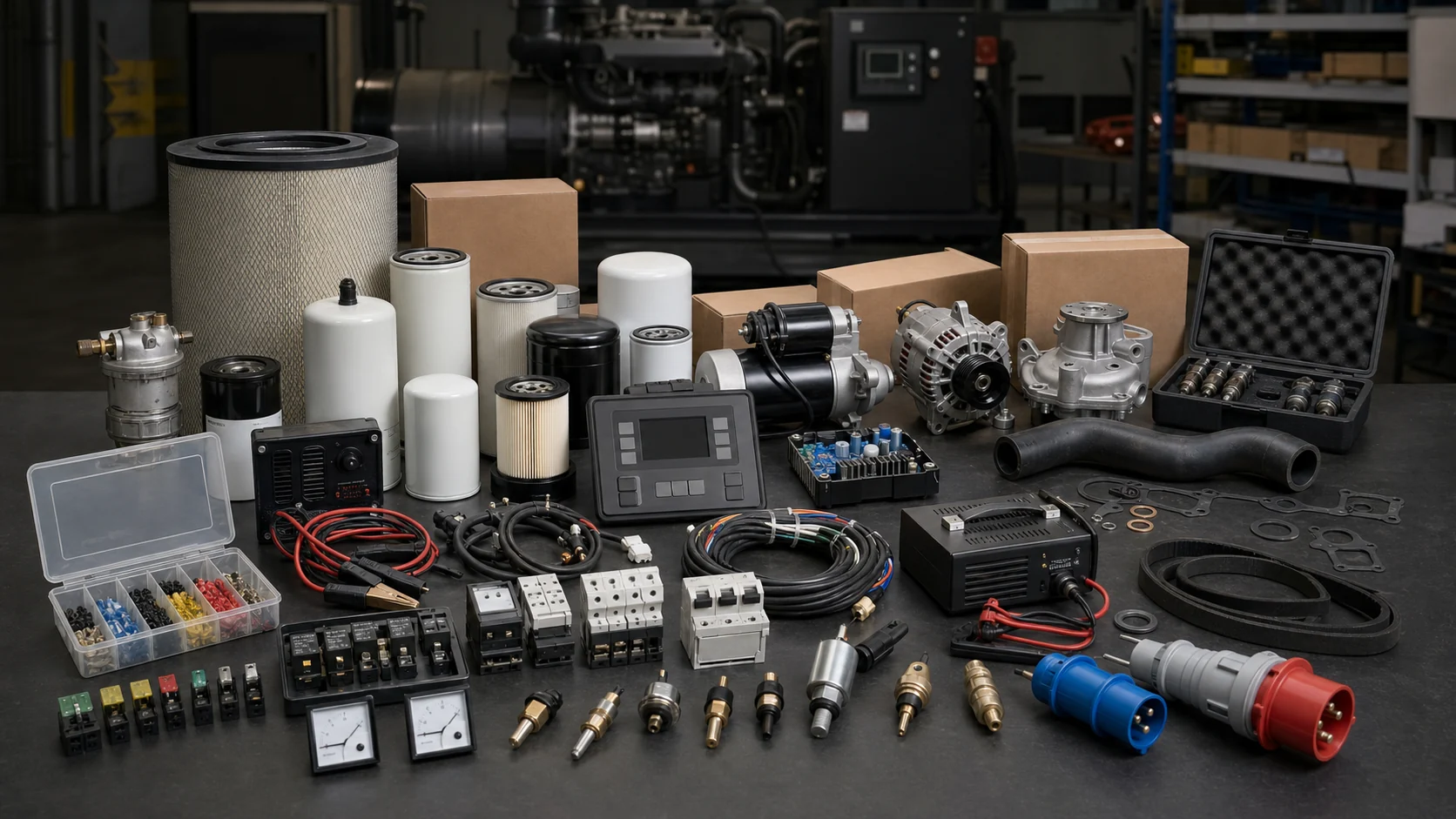
Engineering commitment: HOHANK engineers follow the project from equipment arrival through stable operation.

Generator daily maintenance guide

Use the daily maintenance guide prepared for mining sites

After delivery, use this guide to manage daily inspections, service by running hours, alarm records, fault information and spare parts kept on site. Electricians, equipment managers and purchasing teams can use it as a daily checklist.

Engineer contact

Contact an engineer

Scan WhatsApp to contact an engineer

An engineer will contact you soon to review your site issue and needs.

Scan WhatsApp to contact an engineer WhatsApp: +86 176 8575 2779
Email an engineerfeyqiao@hohank.com
or leave your contact information

An engineer will contact you soon to review your site issue and needs.

Contact an engineer