Small and medium commercial facilities need several hours of routine standby
Utility supply is relatively stable and outages are predictable, while the project wants to avoid a separate day tank, transfer pump and complex fuel pipework.
Product Range / Fuel Tank Integrated into the Generator Base
Day-fuel storage is built into the steel generator base, reducing the need for a separate day tank, transfer pump and some external pipework. It suits commercial standby projects with limited space and a defined autonomy target. Open or acoustic enclosures can use the same concept, but usable fuel, filling, venting, draining, spill control and fire-safety boundaries must still be confirmed for the site.
Why Choose a Sub-Base Fuel Tank
The customer value is a simpler layout and delivery for short-duration standby duty, not unlimited autonomy. A larger base changes overall height, weight, transport, service access and fire conditions, so selection must begin with target hours and usable fuel.
Utility supply is relatively stable and outages are predictable, while the project wants to avoid a separate day tank, transfer pump and complex fuel pipework.
Fuel storage remains within the generator footprint, while adequate space is still reserved for filling, observation, draining and maintenance.
Sub-base capacity may not meet the autonomy target. External storage, a day tank, automatic transfer and a safe delivery route may be necessary.
Integrating tank and generator does not remove requirements for ventilation, spill containment, separation, refueling procedures or local storage rules.
From Runtime Target to Tank Capacity
Actual autonomy changes with load factor, environment, fuel temperature, engine return flow, unusable reserve and tank geometry. Distinguish nominal volume, maximum fill, usable fuel and the low-level alarm point.
Convert expected outages, refueling response, night or holiday restrictions and critical-load duty into an autonomy target.
Use manufacturer data across several load points rather than one full-load or no-load value for the entire operating period.
The tank cannot be filled to geometric volume; fuel below the pickup, sediment space and thermal expansion allowance are not dependable usable capacity.
The warning point must leave enough time for refueling; very-low-level protection should prevent the fuel system from drawing air.
The delivery route must remain accessible during an outage and avoid occupied areas, fire exits, electrical equipment and hot exhaust zones.
Add main storage, day tank, transfer pumps, filtration, valves, leak monitoring and automatic controls as the project requires.
Generator and Fuel Configurations
The same engine rating can use different base heights and fuel capacities. Selection also considers operating weight, transport and lifting, vibration isolation, service routes, level visibility and local fire rules.
Direct service access and a compact arrangement, with the plant room providing ventilation, exhaust, acoustics, fire protection, foundation and fuel-operation controls.
Generator and fuel storage share an enclosure, requiring review of acoustics, airflow, fill point, service doors and spill containment.
Can extend autonomy but also increases height, weight and center of gravity, so transport, lifting, service access and structural strength must be rechecked.
Add main storage, transfer pumps and control logic while retaining the sub-base as a local buffer and engine supply tank.
A sub-base tank is a configurable part of the generator set, not a standalone fixed model. It can be paired with different engine and alternator brands, ratings, 50Hz/60Hz, voltages and open or acoustic structures; final volume and dimensions follow the project design.
Autonomy and System Boundaries
A sub-base tank provides day-fuel storage close to the engine. Long-duration capability still depends on upstream storage, delivery, filtration, transfer controls, fuel rotation and local supply.
Eight Sub-Base Tank Checkpoints
Quality means more than a tank hidden in the base. Plate, welds, reinforcement, filling, supply and return, venting, draining, level, containment and service access all affect long-term reliability.
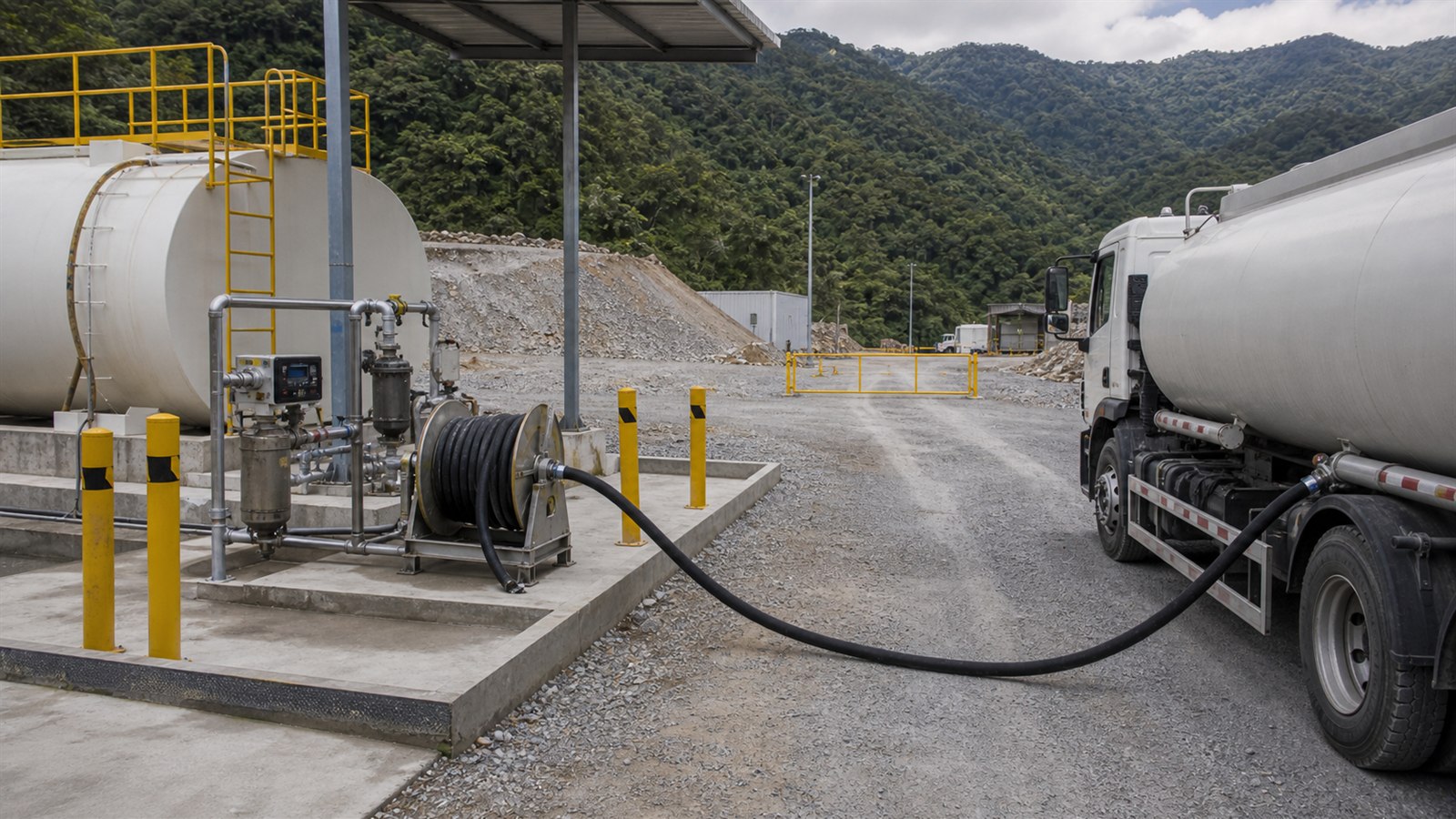
Verify material thickness, internal reinforcement, full-fuel weight and base load capacity to limit long-term deformation and vibration cracking.
Tank welds should pass leak checks, with interior and exterior surfaces protected for fuel and environmental conditions.
The fill location should be safe and accessible, with sealing, locking, filtration and overfill measures as required.
Connection size, location and pipework must match the engine fuel system and avoid air ingress, high resistance or abnormal return flow.
Maintains pressure balance during filling, consumption and temperature changes, with the outlet protected from weather and contamination.
Operators should see available fuel clearly, with low/high-level and remote monitoring available for critical projects.
The sediment zone and drain should allow safe water removal, sampling and cleaning without being blocked by equipment or foundation.
Provide access to pipework, valves, level devices and welds, with collection or containment measures to suit the project.
Six Project Inputs
Provide prime/standby rating, 50Hz or 60Hz, voltage and main loads so consumption can be estimated across realistic conditions.
State expected outage duration, delivery response, night or holiday restrictions and required safety reserve.
Confirm fuel source, vehicle access, hose distance, fill-point height, responsible crew and outage-time accessibility.
Provide available height and footprint, foundation, transport and lifting, service paths, acoustics, airflow and exhaust conditions.
Confirm permitted storage, spill containment, venting, separation, grounding and refueling controls.
State whether main storage, transfer pumps, remote level, filtration, fuel management or multi-set supply may be added later.
Typical Operating Tasks
Best for shorter outages with clear refueling access, while nighttime noise, refueling safety, fire controls and regular testing are also addressed.
Critical loads, outage duration, facility-team capability and delivery-vehicle access all belong in the tank-capacity decision.
Retrofits should verify full-fuel weight, foundation, ventilation, exhaust, service height and external-storage expansion.
Share the country and city, generator rating, expected load factor, target hours, open or acoustic structure, site dimensions, refueling method, fire requirements and future external-storage plan. HOHANK engineers will define usable fuel, base structure and fuel interfaces.