Old generator replacement and expansion plan

Old generator replacement and expansion plan

For old generators with high fuel use, frequent faults, limited capacity or spare-parts issues, review equipment status, running hours, maintenance records, paralleling, distribution upgrades and replacement options.

Old generator replacement and expansion plan

Old generator with high fuel use and frequent faults: replacement or capacity expansion?

Just because the existing generator is still running does not mean that continuing to use it is the most economical option. Mining sites need to evaluate operating hours, fault records, fuel consumption, load changes, spare-parts availability and distribution status, then clarify plans for a new generator set, paralleling expansion, maintenance refurbishment, or distribution upgrade.

Scene background

The issue with an aging generator is usually not one failure, but reliability and cost getting worse together.

Many mines already have generators, but running hours are high, fuel consumption has risen, alarms are frequent, spare parts are hard to source, and the site still needs to expand production or add loads. A generator that still starts and runs is not necessarily reliable enough to support production.

If you buy a new generator set only by the original power rating, you may miss load changes, aging distribution, and increased starting impact. Existing-generator upgrades should review the generator set, distribution, maintenance, and capacity range together.

Site problem

High load triggers alarms; repairs do not last, and the site stays in emergency troubleshooting.

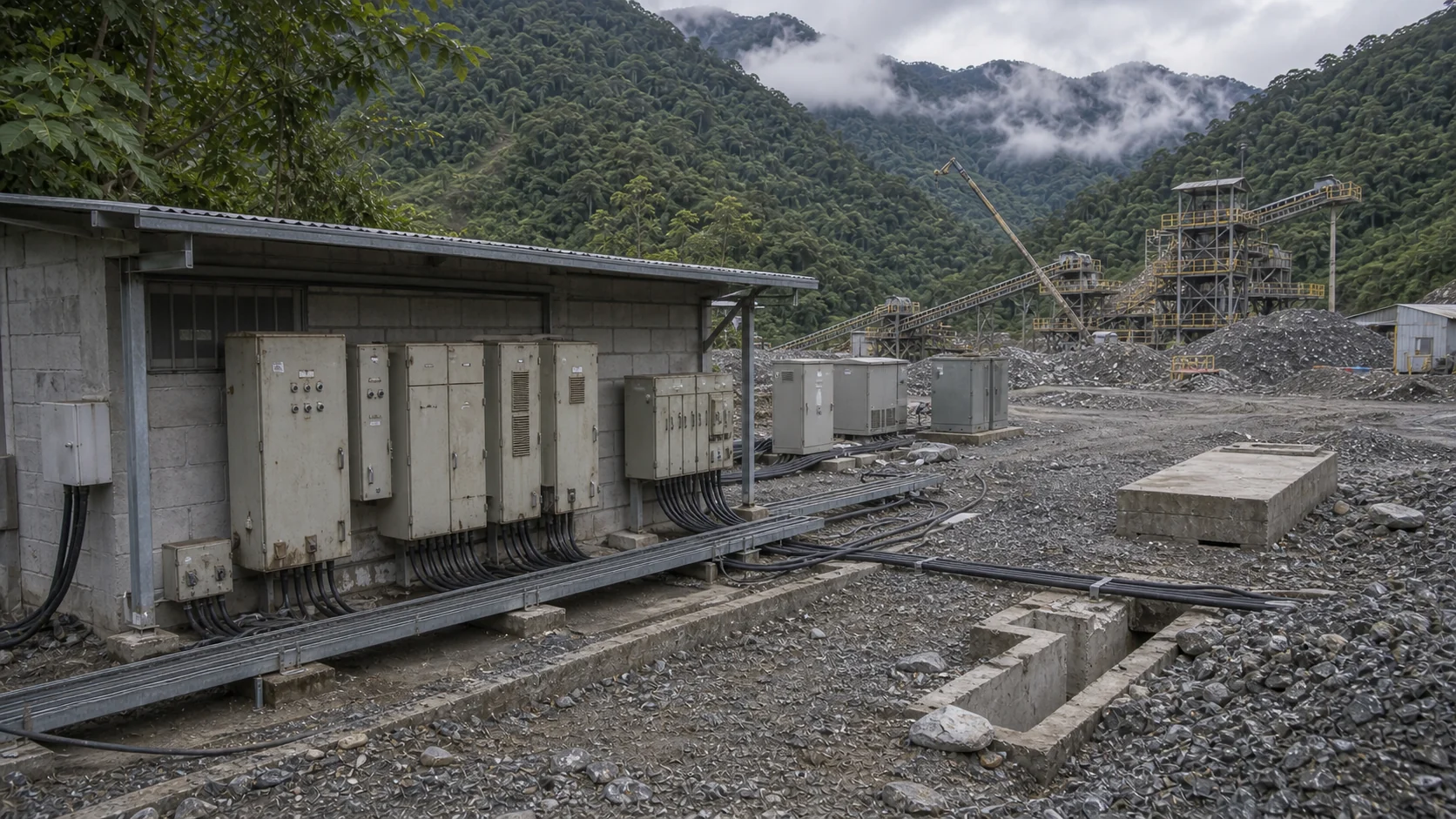
Mine operations teams often see this pattern: the aging generator can barely run under normal load, but alarms when the crusher, pump or workshop equipment starts at the same time. Technicians keep replacing small parts, yet fuel consumption, shutdowns and starting failures remain unresolved.

Spare parts availability can also slow recovery. Older controllers, AVRs, sensors, and special parts are hard to source, so the site may have to reduce load temporarily, rent a unit, or cannibalize parts from other equipment.

Old generator update and expansion plan on-site issue scenario

Operational consequences if left unresolved

Forcing an aging generator to keep running adds fuel, downtime and repair costs together.

Inefficient operation of aging generators raises diesel costs, frequent faults interrupt production, and temporary repairs or rental units add management cost. The purchase cost may look lower, but the expense is spread into daily operation.

If the mine is expanding, aging-generator issues can hold back new equipment. Insufficient capacity, aged distribution and unclear protection logic make the expanded power system harder to stabilize.

Recommended configuration

After assessing the existing generator, clarify replacement, paralleling expansion or distribution upgrades

Before upgrading an existing generator, first build a condition inventory: operating hours, maintenance records, fault records, fuel consumption, load factor, alarm codes, existing distribution drawings, and future load changes should be reviewed in one table.

Replacement is not the only option. An aging generator can be moved to standby duty, a new generator set can be paralleled for expansion, and low-voltage distribution or protection logic may need redesign. If the existing unit must keep running in the short term, add the spare-parts package and maintenance plan first.

Configuration confirmation steps

Confirm legacy machine status, load growth and service availability

Review the old unit's running hours, fuel consumption, temperature, alarms, oil leaks, starting behavior, maintenance history, and key component condition to separate engine aging, maintenance gaps, undersizing, and external distribution problems.

Recheck how site loads have changed. After adding crushers, pump stations, air compressors, workshop equipment, or camp loads, the gensets and LV cabinets that once worked may no longer handle today's startup impact and continuous load.

Check spare-parts and service availability as part of the upgrade plan. If controllers, AVRs, sensors, or special parts are hard to source, downtime risk matters more than comparing new-unit purchase prices.

Expected operational benefit

Existing generator upgrade becomes a calculated decision, not something handled only after a failure.

After the assessment is complete, the future role of the existing generator becomes clear: keep it as the prime unit, move it to standby duty, parallel it with a new generator set, or remove it from site. The same review also shows which distribution and maintenance issues must be handled at the same time.

This avoids replacing the old unit mechanically at the same power rating. The team compares old and new gensets, future expansion, fuel use, spare parts, commissioning responsibility, and service response, so the site is not forced into repeated repairs, temporary rentals, or sudden production stops.

Information to confirm before quotation

Common site signals

  • The aging generator has long running hours and noticeably higher fuel consumption.
  • Frequent alarms when the load is high, large motors are started, or multiple loads are running at the same time.
  • Filters, controllers, AVRs, sensors or specialized spare parts are becoming increasingly difficult to find
  • The production site has been expanded, but the unit and distribution are still configured according to the past load
  • Short-term recovery occurred after maintenance, but similar faults recurred after a period of time.

If this is not planned early

  • Continue to hold on to old opportunities and add fuel, downtime, maintenance and temporary rental costs
  • Replacing by the original power rating alone can miss load growth and starting impact.
  • Existing-generator, distribution and protection-logic issues overlap, so faults keep repeating
  • Core spare parts are becoming increasingly difficult to find, and recovery time and service costs are uncontrollable.
  • After the expansion equipment is connected, the old system may continue to hold back new production capacity.

Project confirmation points

  • Existing generator operating hours, maintenance records, fault records and fuel-consumption data
  • Current load list, startup methods, simultaneous running loads and future expansion plans
  • Existing low-voltage distribution cabinets, circuit breakers, cables and protection logic status
  • Critical spare parts availability, repair response time and on-site maintenance capabilities
  • Cost range for updating, maintaining spare capacity, parallel expansion, or redoing distribution

Recommended equipment scope

  • Existing generator condition assessment and load review
  • New generator set replacement or existing/new generator paralleling expansion plan
  • Review of low-voltage distribution, protection logic and cable paths
  • Basic or enhanced spare parts package
  • Commissioning handover, maintenance cycle and remote diagnosis process

Engineer assistance

Contact an engineer first, then review the equipment and service scope together

For the current load, should the existing generator continue as the prime unit, move to standby duty, be paralleled for expansion, or be replaced directly?

Equipment and module scope

New generator set replacement, existing/new generator paralleling, low-voltage distribution review, existing generator condition assessment, spare-parts plan and commissioning handover documents.

Information engineers will help organize

  • Existing generator operating hours, maintenance and fault records
  • Current load list, startup method and expansion plan
  • Photos of existing distribution cabinets, cables and protection logic
  • Critical spare parts availability and repair response

Related equipment and service

Existing generator condition assessmentNew generator set replacementParalleling expansiondistribution transformationSpare parts and maintenance schedule

Engineer contact

Contact an engineer to review the right configuration.

If the information is incomplete, contact an engineer first. Start with the mine location, the site problem or the general equipment condition; the engineer will organize the loads, site conditions and configuration scope with you.

Scan WhatsApp to contact an engineer

An engineer will contact you soon to review your site issue and needs.

Scan WhatsApp to contact an engineer WhatsApp: +86 176 8575 2779
Email an engineerfeyqiao@hohank.com
or leave your contact information

An engineer will contact you soon to review your site issue and needs.

Email engineer